Marlene Stang
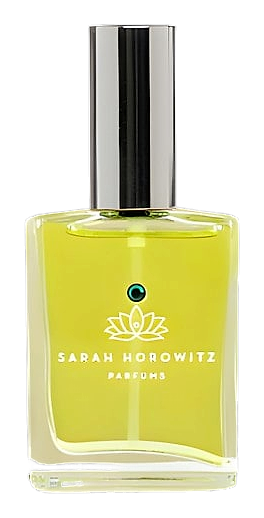
Marlene Stang is an American perfumer whose work carries the atmosphere of vintage fragrance into an independent, artist-led context. The available record links her to 1969 Eau de Parfum, an amber-toned composition marked by roasted notes, and to Sarah Horowitz Parfums’ Artisan Collection Wings. The latter credit is especially revealing: Stang’s name appears beside that of another defining figure in American indie perfumery, suggesting a career shaped by collaboration as much as solitary authorship. Public references also describe her as an activist and founder of RISE, adding a social dimension to a profession often associated with polish and fantasy. Her creative identity comes through sharply in the nickname “a soft-hearted killer,” a concise image that captures perfume at once tender and commanding.
The hits
Notable creations
The signature
How Marlene composes
The clearest signature in Stang’s documented work is the use of warm roasted materials, especially in 1969 Eau de Parfum, where choya nakh, described as roasted, contributes an initial note of dark toast, grain, and vintage amber. That material suits a fragrance style built around contrast: soft spices or ambered warmth placed against a more assertive roasted heart. Her role in developing Wings, associated with Sarah Horowitz Parfums’ Artisan Collection, also suggests familiarity with fine perfumery’s sculptural side and the careful placement of unusual accords. Rather than characterize her work with unsupported ingredient lists, it is enough to say that Stang favors composition with depth, tactile warmth, and an idiosyncratic edge.
Philosophy
What drives Marlene
Stang’s work seems drawn to the tension between warmth and impact. A roasted opening can feel both nostalgic and assertive, giving a fragrance the character of a polished vintage object while preserving its own contemporary attitude. Her association with indie perfumery points to an interest in authorship, experimentation, and fragrance as a form of personal expression rather than a predetermined commercial code. The “soft-hearted killer” description offers a useful guide to her sensibility: compositions that may seduce through texture and emotion before revealing their darker edge. The scarcity of formal details about her training makes it unwise to invent a biography, yet her documented credits and public presence establish a clear commitment to distinctive, independent scent.
The houses