Marie Aoun
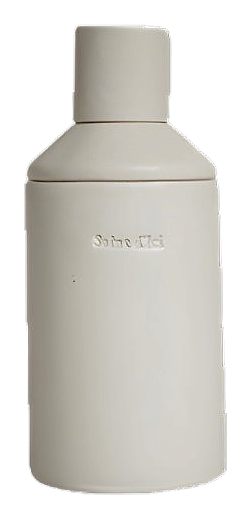
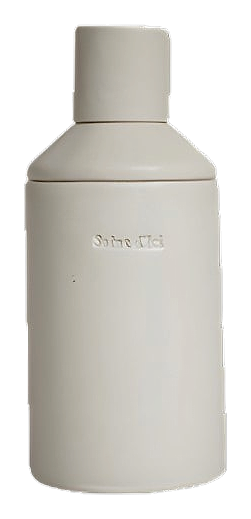
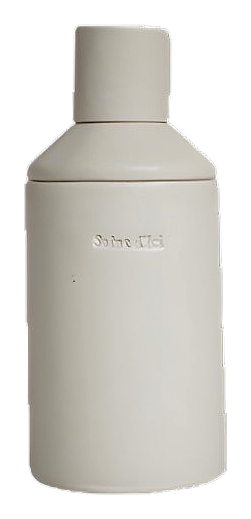
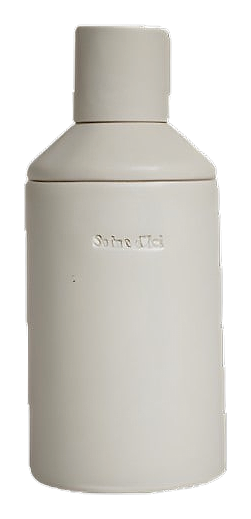
Born in Belgium and raised among fashion’s visual languages, Marie Aoun spent about a decade in retail before turning toward perfumery. Her interest in botanicals began in her garden, where the living plant became both inspiration and lesson. That path led her to found Saint d’Ici Parfumerie in Johannesburg, South Africa, a natural perfume house shaped by her hands-on curiosity and self-taught eye. Aoun approaches fragrance with the same practical attention to detail that once served her fashion career, but her compositions draw most strongly from the natural world. She is also associated with AUN Fragrances, where she continues to build intimate scent experiences. Though specific training and individual creations are not consistently documented, her profile is clear: a fashion maker turned botanical perfumer, drawn to the meeting point of composition, texture, and mood.
The hits
Notable creations
The signature
How Marie composes
Aoun’s signature lies in natural botanical perfumery, with a preference for ingredients sourced from around the world. Her compositions are described as private collections and sensory experiences, suggesting a focus on personal mood over a single, easily classified house style. The garden remains the strongest reference point for her work: she values the character of plants, their textures, and the memories they carry. In fashion, she worked for years in retail and fast fashion before devoting herself to perfumery, giving her compositions a polished editorial sensibility without removing their natural basis. Because specific formulas, note structures, and individual creations are not consistently available in the available sources, her technique is best understood through her materials and intention rather than a fixed list of accords.
Philosophy
What drives Marie
Aoun’s work begins with nature rather than a predetermined image of what perfume should look like. The garden gave her an early lesson in scent as something living, changing, and deeply connected to memory. As founder of Saint d’Ici Parfumerie, she places that instinct at the center of her natural perfumery: materials are treated as expressive partners, capable of setting a mood that feels intimate and personal. Her move from fashion to fragrance suggests a sensitivity to atmosphere and detail, while her Johannesburg base gives her practice a distinctly local context. She does not present perfume as a simple decorative finish, but as an experience designed to leave a lasting impression. The philosophy is tactile and considered, rooted in attentive observation of plants and the emotions they evoke.
The houses