Julien Cardelli
Julien Cardelli operates within the intimate world of French independent perfumery, a domain where craftsmanship meets curiosity. Their background remains somewhat behind the curtain, but their portfolio speaks convincingly: 23 compositions registered on independent platforms, earning an extraordinary average rating of 8.9 from those who know where to look. That kind of recognition suggests someone who builds quietly and lets the work carry the conversation. The kind of perfumer collectors whisper about before the broader world catches on. Training details are sparse in public records, though connections to French olfactory institutions appear likely given the sensibility evident in their work. Each release reads as a deliberate act rather than a commercial obligation, which is increasingly rare. The relatively contained number of creations points to an unhurried approach, the sort of methodical pace that separates genuine artistry from market output. Cardelli represents a growing movement of perfumers who prioritize depth over volume, choosing to refine a vision across years rather than chase trends.
The hits
Notable creations

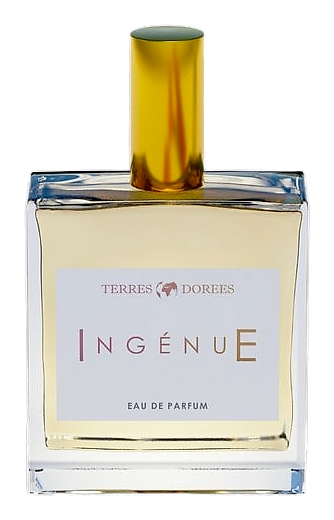

The signature
How Julien composes
The signature leans toward refined French sensibilities with contemporary edges, compositions that balance tradition and modernity without obvious allegiance to either camp. Expect careful handling of florals, likely presented with unusual structural choices rather than conventional bouquet arrangements. Gourmand elements appear sparingly deployed, used for warmth rather than sweetness overload. Woods and ambers provide foundation, suggesting Cardelli builds scents meant to linger in memory rather than announce themselves loudly. The 23-composition catalog indicates range without dilution, hinting at versatility across categories while maintaining a recognizable fingerprint. Citrus openings appear in select works, brightened through unexpected pairings that elevate them beyond simple freshness. Each creation seems designed with a specific wearer in mind, a particular mood or moment, rather than mass appeal. The work suggests fluency in both classical perfumery language and more abstract, contemporary constructions.
Philosophy
What drives Julien
Cardelli approaches composition as a form of conversation between materials, where each note earns its presence through contribution rather than decoration. The philosophy appears rooted in patience: letting ingredients speak at their own pace, allowing compositions to breathe through their development rather than rushing toward a signature accord. This is perfumery as architecture, built one careful layer at a time. There is a discernible respect for raw materials in their work, a willingness to let naturals retain their complexity rather than smoothing them into commercial predictability. The impressive rating average suggests collectors sense this integrity. Cardelli seems to design for those who wear fragrance as expression rather than accessory, people who want something with a point of view. Restraint appears central to the creative ethos, the understanding that absence can be as powerful as presence in a well-built composition.
The houses
Maisons Julien composes for
In the same league