Ian Fitzgerald
Ian Fitzman's path into fragrance began where few expect: in the editorial rooms and design studios of publishing. Trained as a graphic designer at a fragrance house, he absorbed the craft from the inside out, learning composition through daily proximity to bottles, briefs, and the precise language of scent. That dual grounding in visual storytelling and perfumery shaped a sensibility that is as much about narrative as it is about raw materials. He went on to build a career as a multi-channel editor, copywriter, and product developer, treating each fragrance as a piece of writing with its own arc, pacing, and emotional weight. Together with his partner, he co-founded Fitzgerald and Guislain, a house committed to natural perfumery and small-batch craft. The brand has positioned itself within the indie conversation as a maker of intimate, story-driven scents. His confirmed work includes La Fôret de Fontainbleau, a composition that channels the mossy quiet and resinous depth of the French woodland into something wearable and personal. The leap from page to bottle now defines his practice: every release reads like a chapter in a longer book he is still writing.
The hits
Notable creations
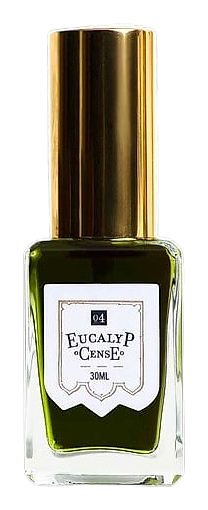
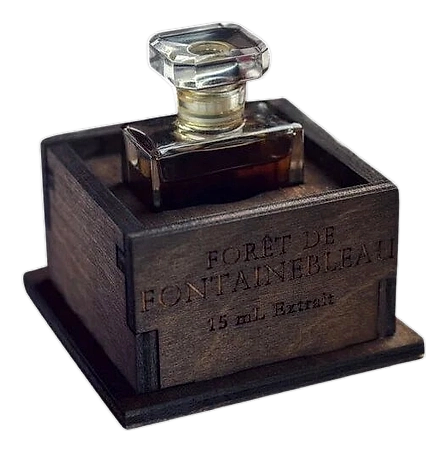
The signature
How Ian composes
Fitzman gravitates toward textures that feel close to the body: soft musks, green leaves, damp woods, the powdery residue of a forest floor after rain. La Fôret de Fontainbleau reads as a working blueprint for his hand: resinous, sylvan, and quietly animalic, with the kind of mossy undergrowth that suggests depth without demanding attention. He has a taste for compositions that wear like a second skin rather than a statement, fragrances that reward a slow inhale more than a first impression. His work tends to favor a restrained architecture, where the supporting notes, the bark, the leaf litter, the skin-warm musk, do as much narrative work as the headline accord. The result is a house style that feels literary, grounded, and rooted in place.
Philosophy
What drives Ian
Fitzman treats fragrance as a form of editing. The job, as he sees it, is to choose what stays and what gets cut, then arrange the survivors into a sentence that lands cleanly on the skin. He works with natural materials whenever the brief allows, drawn to their irregularity, their volatility, the way a real rose absolute refuses to behave the same way twice. That preference is not dogma; it is a creative instinct rooted in years of watching how naturals carry memory and place in a way synthetics sometimes smooth over. He has spoken about wanting his scents to feel easy to wear, to slip into a life rather than announce themselves from across a room. There is also a storyteller's patience in his approach: a willingness to let a composition breathe, to build slowly, and to trust the wearer to finish the sentence he starts.
The houses
Maisons Ian composes for
In the same league