Gustav Lohse
Gustav Lohse founded his eponymous perfume house in Berlin in 1831, establishing a brand that would carry the family name through nearly two centuries of European fragrance history. The house grew steadily through the late nineteenth century, building a reputation for classical German perfumery at a time when Berlin stood as a cultural capital rivaling Paris and Vienna. In 1913, the firm expanded its operations with a new factory in Teltow, just outside Berlin, signaling ambitions well beyond a small atelier. By the early twentieth century, Gustav Lohse fragrances had earned the favor of German high society, including documented associations with the Empress of Germany. The house produced advertisements that ran in major fashion publications of the 1920s, positioning its scents as sophisticated offerings for the modern woman. Surviving wartime disruption and the shifting political winds of mid-century Europe, the brand persisted with a quieter footprint, eventually becoming a cult favorite among collectors who prize vintage German perfumery.
The hits
Notable creations
The signature
How Gustav composes
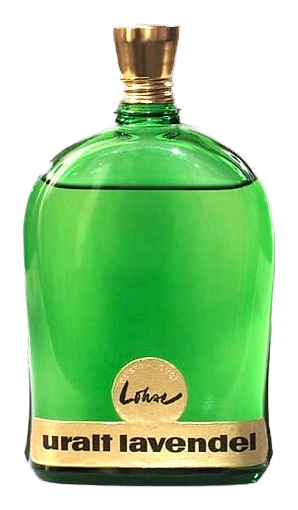
Gustav Lohse's signature rests in opulent florals anchored by rich, powdery bases. Rose, jasmine, and iris appear throughout the catalog, often woven around classic chypre and oriental frameworks. Lavender features prominently in some of the house's most enduring compositions, treated with a distinctly Germanic herbal crispness rather than the sun-warmed Provençal style. Base notes tend toward the traditional: oakmoss, sandalwood, amber, and benzoin, layered to produce that unmistakable vintage character collectors call the Berlin finish. Bottles and presentations reflect the same restrained aesthetic, emphasizing substance over spectacle.
Philosophy
What drives Gustav
Lohse perfumery carries the conservative elegance of old Berlin, a city that valued precision, refinement, and quiet luxury over flashy innovation. The house built its identity on classical floral structures, the kind of compositions that dominated European boudoirs from the Belle Époque through the Weimar era. This is fragrance as social ritual rather than personal statement. Each Gustav Lohse creation reflects the German tradition of methodical craftsmanship: ingredients selected with care, accords balanced with mathematical precision, and longevity engineered into every formula. The house never chased trends, preferring to let its classicism speak for itself across generations of wearers.
The houses