Eyüp Sabri Tuncer
Eyüp Sabri Tuncer arrived in Turkey from Banja Luka in 1898, carrying with him a trade that would define a century of Turkish fragrance. He founded his eponymous company in 1923, the same year the Turkish Republic was born, and set about doing something quietly audacious: distilling the country's first true lemon essence cologne. What began as a single apothecary's art became a household ritual across four generations. Tuncer shaped not merely a brand but an entire national custom, the pouring of kolonya into guests' hands, the sharp clean hit of citrus at every threshold. Today, the house bearing his name continues to honor the founder's insistence on authenticity and quality, a legacy that reads less like commerce and more like family inheritance passed down in glass bottles. To understand Turkish fragrance history is to encounter Tuncer at its origin point. He stands among the few individuals who genuinely converted personal craft into cultural permanence.
The hits
Notable creations
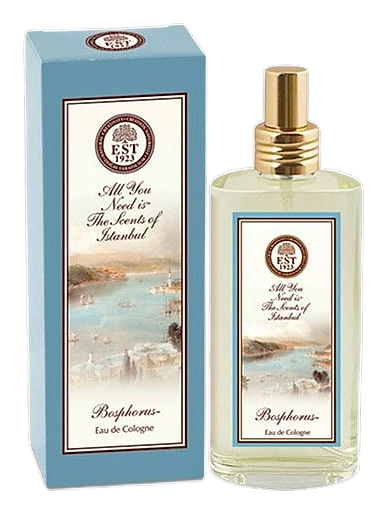
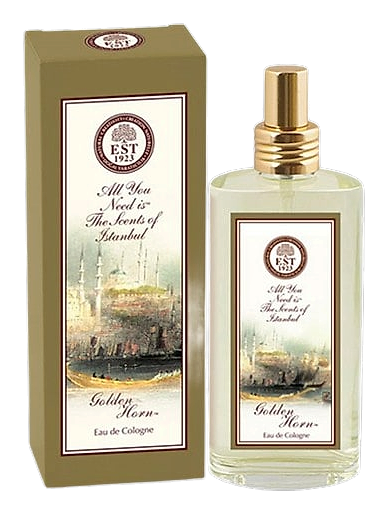
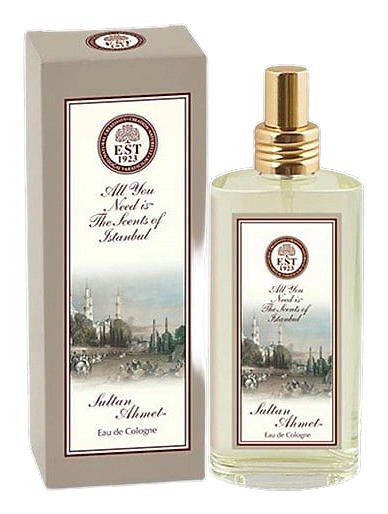
The signature
How Eyüp composes
Eyüp Sabri Tuncer's signature was lemon essence cologne, a category he essentially invented for the Turkish market. His preferred compositions leaned bright, clean, and uncomplicated, built around citrus distillates rather than heavy florals or resins. The style favored immediate refreshment over slow revelation, a single sharp note pressed into alcohol and water. Bottles followed the same logic: clean, recognizable, built to be poured generously. Techniques traced back to early twentieth century Ottoman perfumery, with citrus expressions given pride of place. The approach was resolutely unpretentious. A Tuncer composition aimed for clarity on the skin, a momentary lift that asked nothing of the wearer except to extend the same gesture to someone else.
Philosophy
What drives Eyüp
Tuncer approached fragrance as ceremony rather than adornment. In his understanding, a cologne was not a finishing touch but a gesture of welcome, a small act of hospitality performed at the doorway. His philosophy rested on purity of raw materials, particularly the bright, sun-soaked lemons he championed, and on consistency that could be trusted across decades. He believed fragrance should earn its place in daily life, refreshing the body and clarifying the senses without overwhelming them. This conviction shaped a whole industry. Tuncer's lemon cologne carried the idea that freshness itself could be a gift, something offered freely to another person. The minimalist clarity of his formulations reflected a worldview in which simplicity was the highest refinement.
The houses