Emily Lape
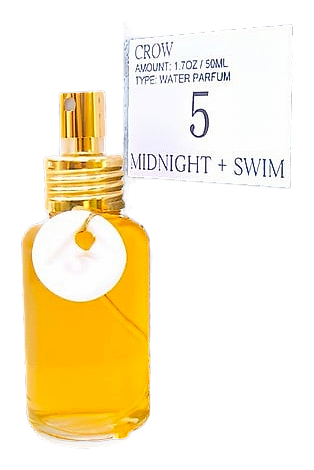
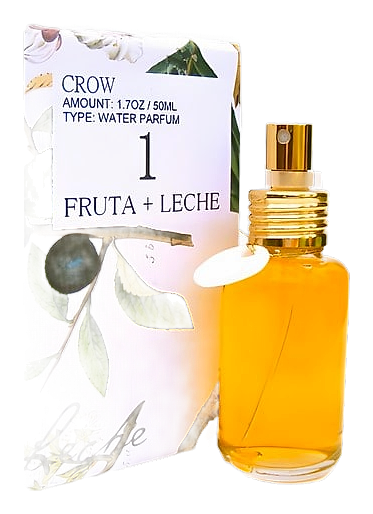
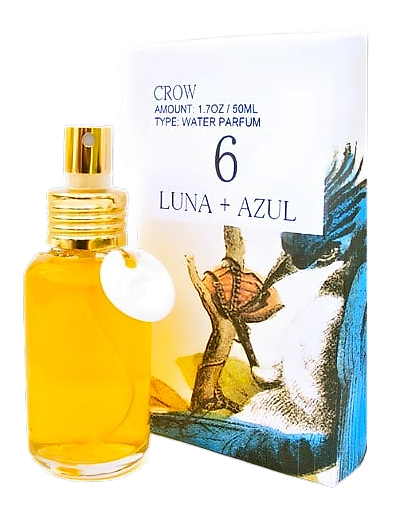
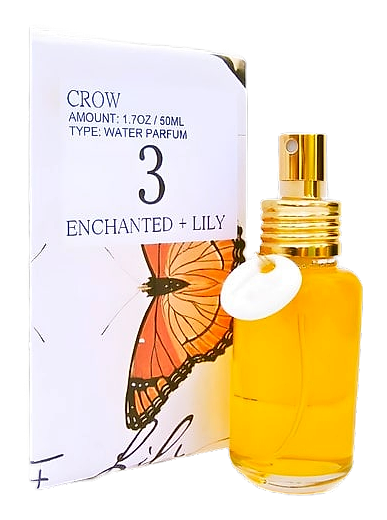
Emily Lape moves between worlds with the restless confidence of someone who refuses to be pinned down. A filmmaker, actress, and UX strategist based in Chicago, she built her creative reputation writing, directing, and editing the feature Mercy's Girl, a debut that earned festival recognition before its 2018 online release. Her earlier short Gaia and subsequent work Relative further established her voice in independent cinema. But fragrance has always hummed in the background, a parallel obsession rooted in a childhood spent moving across the United States, where scent became a way to anchor herself in unfamiliar places. At 28, she channeled that lifelong curiosity into Crow Perfume, a line of six water-based fragrances she launched as an independent perfumer. Lape's practice draws from the same instincts that shape her filmmaking: a commitment to raw authenticity, a rejection of industry polish, and an insistence that personal narrative drives every creative decision.
The hits
Notable creations
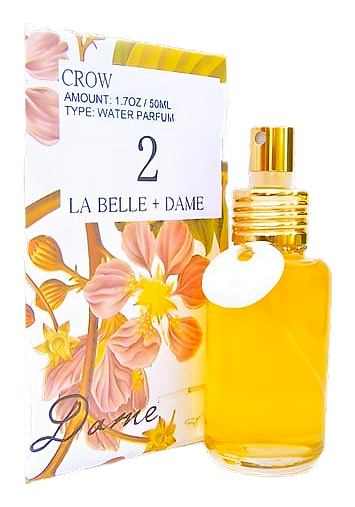
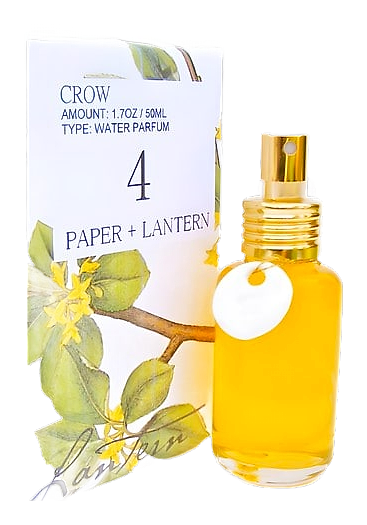
The signature
How Emily composes
Crow Perfume's six-fragrance debut leans into aqueous, skin-close compositions that read more like personal mementos than traditional perfumery. Without that solvent backbone, her scents behave differently on skin: softer, more transparent, closer to the body's own chemistry. She gravitates toward natural materials and minimalist structures, letting individual notes carry the emotional weight rather than building dense accords. Her background as a visual storyteller shapes how she thinks about scent, treating each fragrance like a short film with a clear narrative arc and a distinct mood. The result is a catalog that feels curated rather than manufactured, small-batch in attitude, and deeply connected to the maker's own biography.
Philosophy
What drives Emily
Lape designs for skin, not spectacle. Her water-based formulations strip away alcohol, phthalates, and parabens because she believes fragrance should sit close to the body like a quiet thought, never shouting. She approaches perfumery the way she approaches a film script: start with the story, then find the materials that tell it honestly. Sustainability and ingredient transparency matter to her not as marketing angles but as baseline ethics. She grew up constantly relocating, and scent became one of the few constants she could carry with her, a portable memory. That informality, that sense of fragrance as lived experience rather than luxury object, runs through everything she composes. Her work tends toward honesty over glamour, intimacy over impression.
The houses