Antonio de Curtis
Antonio de Curtis occupies a rare place in perfume history: an Italian perfumer whose work helped define the international image of fragrance through the 20th century. Best known as the creator of Acqua di Parma, he brought together the crispness of citrus, the polish of classic cologne composition, and an instinct for effortless elegance. His career belongs to a period when perfume was shifting from intimate domestic ritual to an international luxury culture. De Curtis developed a distinctive approach rooted in Italian craftsmanship, clarity and restraint. His compositions favored brightness, balance and a sense of poised formality rather than the dense sweetness associated with many creations of the era. Acqua di Parma became his clearest signature, but his influence also lies in demonstrating how a simple, radiant structure could become instantly recognizable. His legacy endures because his fragrances feel composed rather than decorated, luxurious without seeming ostentatious.
The hits
Notable creations
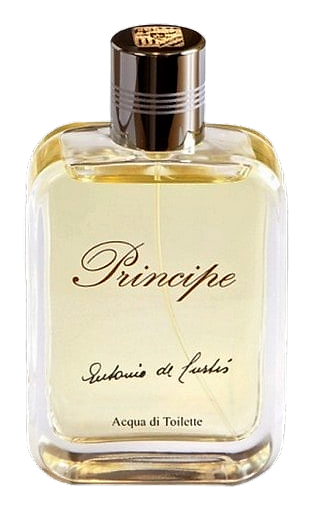
The signature
How Antonio composes
De Curtis's signature style is clearest in the classic eau de cologne formula: citrus brightness tempered by aromatic herbs, florals and woods, creating a polished, radiant impression. Lemon, bergamot and related fresh notes provide lift, while lavender, rosemary and other herbal accords lend structure. The result avoids the heavy, cloying sweetness found in some perfume traditions of the period. Rather than building fragrance through opacity, he used contrast: crisp and soft, light and warm, restrained yet unmistakable. His compositions carry an Italian sense of grace and finish, with an emphasis on tonal harmony and wearability. Acqua di Parma captures this method in its most iconic form, proving that a fragrance built around freshness can possess a memorable luxury. The technique suggests a perfumer guided by clarity, discretion and the confidence to leave space around each note.
Philosophy
What drives Antonio
De Curtis appears to have understood elegance as a matter of balance. His work suggests that a fragrance need not overwhelm the wearer to feel sophisticated. Instead, clarity, structure and the careful placement of contrasting notes create a scent that can remain composed while still showing depth. The Italian preference for refinement informs his sensibility, but the real achievement lies in making that refinement feel natural rather than severe. Acqua di Parma is often described as luminous and poised, qualities that reveal a perfumer attentive to proportion and the emotional effect of freshness. His approach favors the clean lift of citrus and the composed character of cologne, with enough subtlety to leave room for the wearer. The lasting appeal of his work comes from this tension between apparent simplicity and carefully controlled richness.
The houses