Ángel Ríos
Ángel Ríos is a perfumer whose work lives quietly at the intersection of craft and curiosity, though specifics about his training and early career remain scarce in the public record. What is known is that he has built a catalog of eight compositions, a modest but telling number that suggests a maker more interested in refinement than volume. His name surfaces in connection with projects that carry a certain editorial polish, work that tends to favor concept over spectacle. The scarcity of biographical detail only sharpens the appeal of what he releases: bottles that ask to be discovered rather than advertised. Ríos operates with the confidence of someone who understands that restraint, in this industry, reads as authority. He lets the fragrances speak first.
The hits
Notable creations
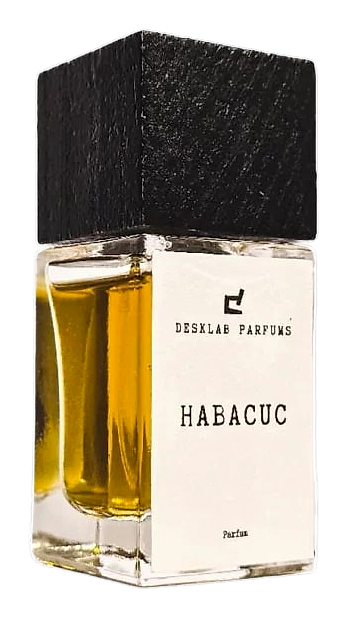
The signature
How Ángel composes
The signature running through Ríos's work is a preference for clean, architectural lines, scents that open with clarity and dry down with conviction. Citrus and green notes seem to feature prominently in his brighter compositions, lending them a Mediterranean sharpness, while woods and musks anchor his more contemplative releases. He has a noted comfort with ambroxan-adjacent materials, the kind that create that salty-skin radiance increasingly associated with modern Spanish perfumery. His florientals tend toward the photoreal rather than the abstract: flowers that smell like flowers, resins that glow rather than shout. The throughline is precision. Every ingredient earns its place, and nothing lingers past its welcome.
Philosophy
What drives Ángel
Ríos approaches perfumery as a problem of composition rather than declaration. Where many perfumers reach for the loudest materials, he seems drawn to the tension between structure and skin, the way a well-cut scent settles into the body rather than sitting on top of it. His creative instinct appears rooted in narrative: each composition reads less like a product and more like a scene, a moment captured in glass. He treats fragrance as a form of editing, choosing what to leave out with as much care as what to put in. That sensibility positions him closer to the lineage of Spanish perfumers who prize clarity and wit over ornament, makers who believe a composition earns its complexity through restraint.
The houses