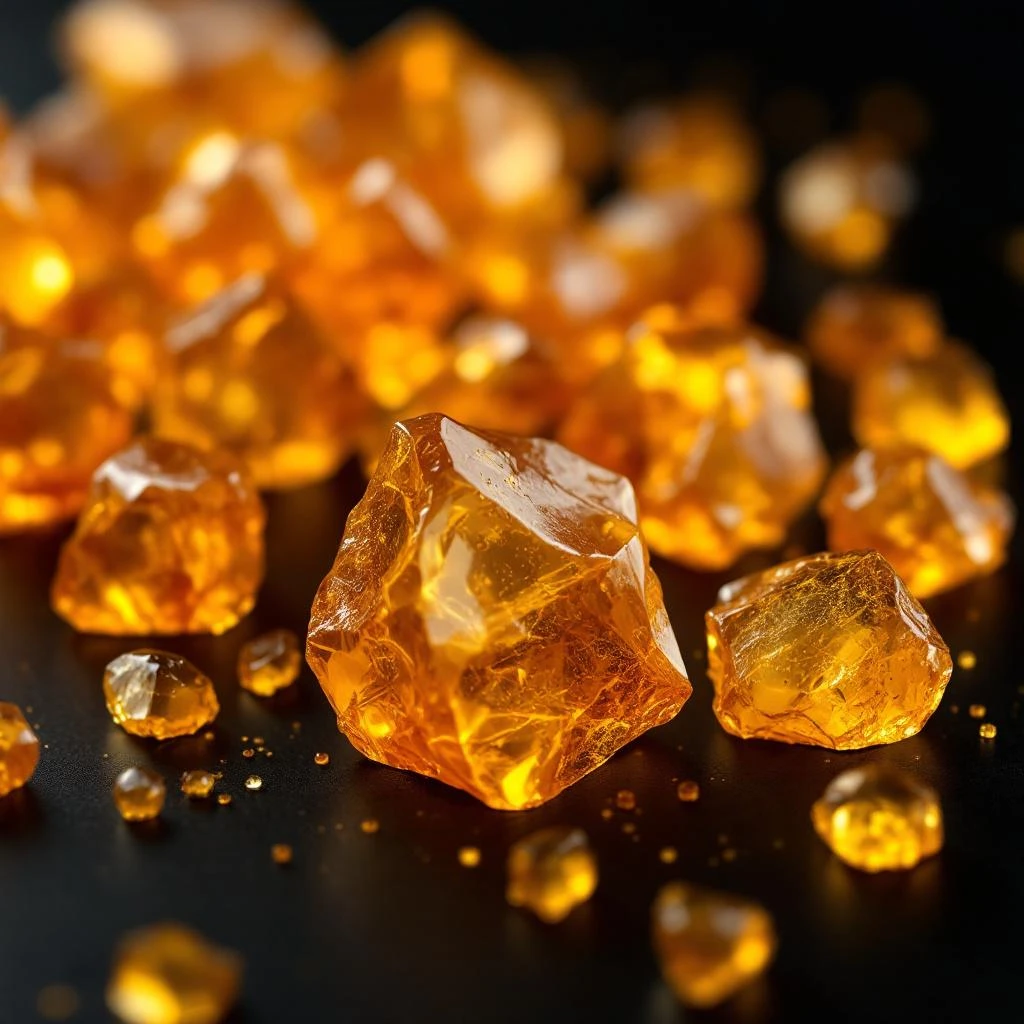
Synthetic Amber
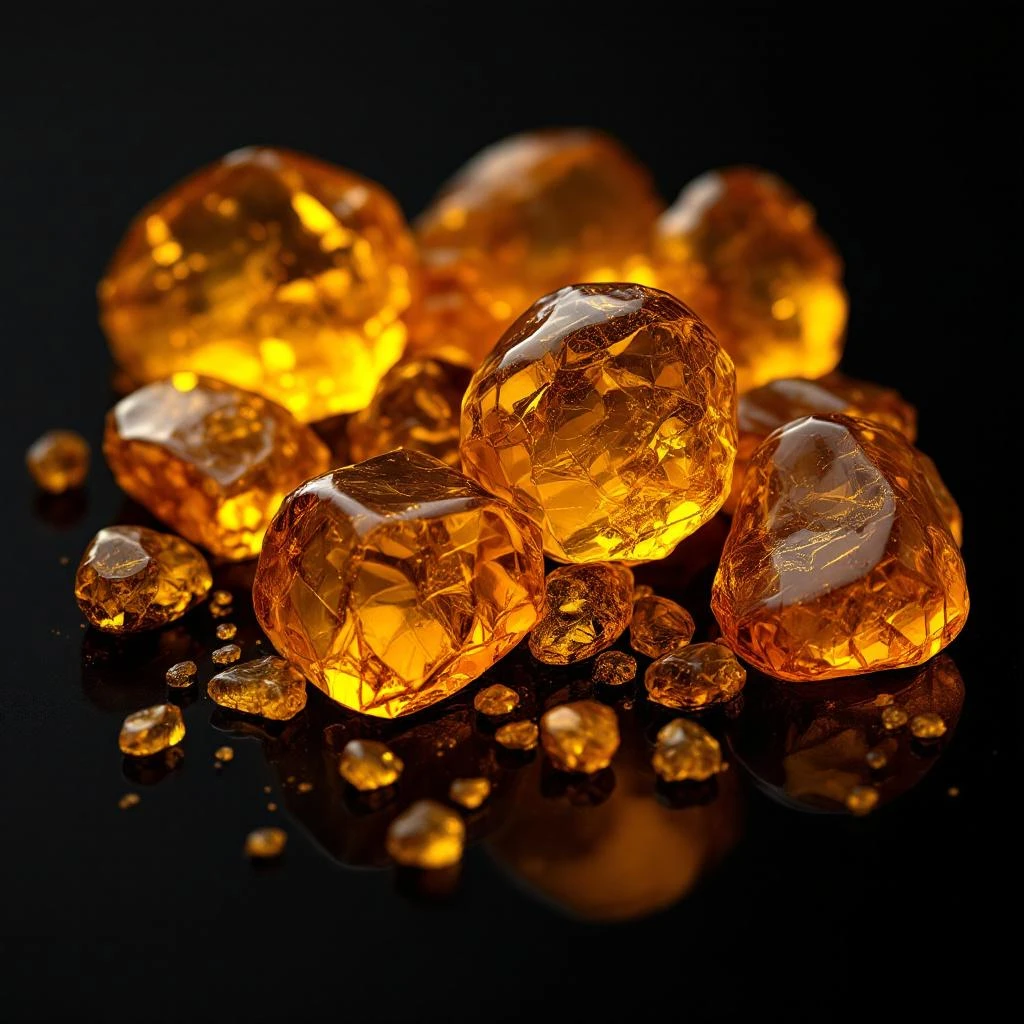
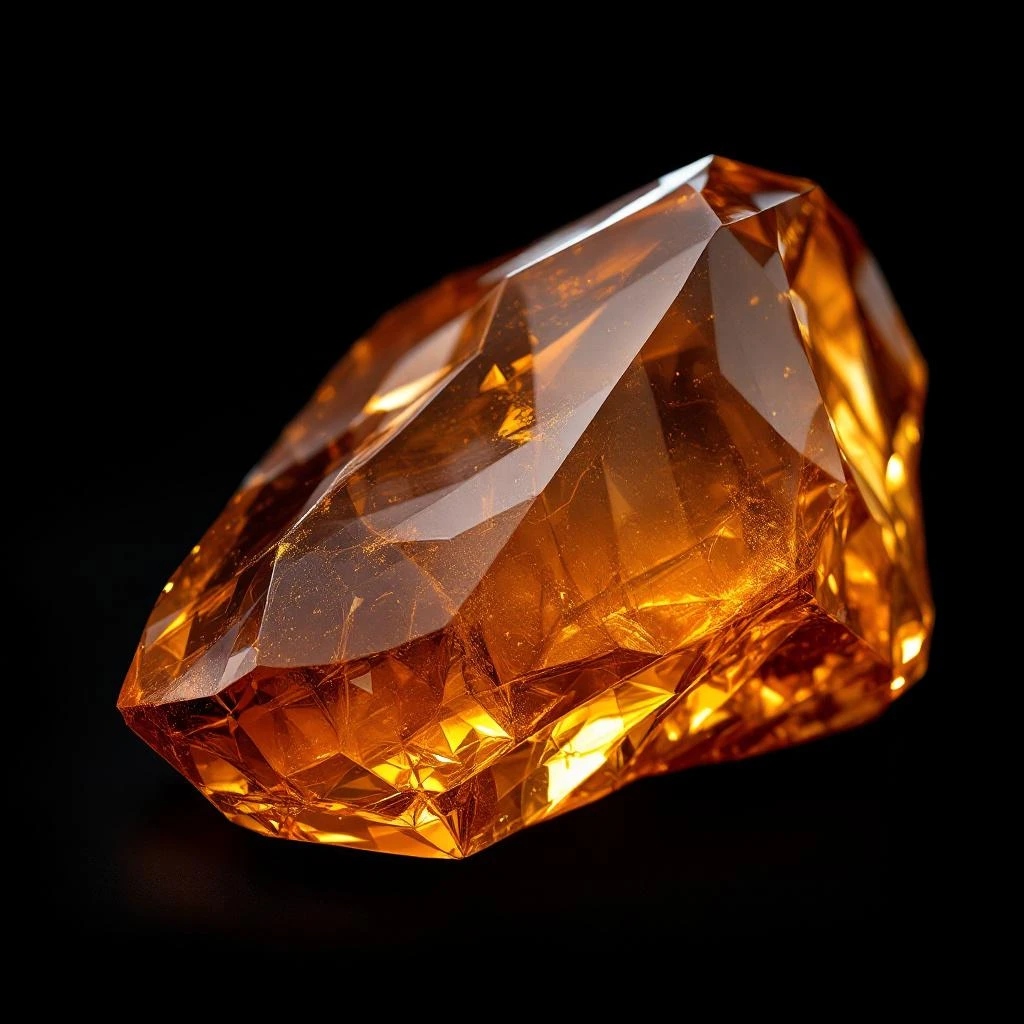
Lab-crafted amber recreates the warm, resinous depth of fossilized tree sap without relying on scarce natural sources. These synthetic accord-molecules deliver the same comforting warmth perfumers have sought for over a century.

Origin
France
For centuries, perfumers chasing amber's warmth relied on rare natural ambergris, a waxy substance produced by sperm whales, or fossilized tree resin. The breakthrough came in 1874 when chemists first synthesized vanillin, the compound responsible for vanilla's scent. This discovery, combined with Paris's rise as the perfume capital between 1889 and 1921, fundamentally changed fragrance creation.
Organic synthesis allowed chemists to build amber-like molecules from simpler compounds, democratizing warm, inviting scents for the first time. Natural ambergris commanded astronomical prices and raised ethical concerns. Synthetic alternatives solved both problems while enabling mass production of fragrances previously available only to the wealthy.
Today, synthetic amber forms the backbone of countless perfumes, from designer launches to niche creations, proving that chemistry can capture nature's most treasured scents without depleting it.
Wears it best
Fragrances featuring Synthetic Amber
Brands
Brands known for Synthetic Amber
Good to know
Questions, answered
The essentials on Synthetic Amber in perfumery: how it smells, where it comes from, and how it behaves on skin.
What is synthetic amber in perfumery?
Synthetic amber is a lab-created fragrance material that mimics natural amber's warm, resinous scent. Chemists identify key compounds in natural amber then synthesize equivalents like ambroxan and vanillin to recreate the characteristic warm, powdery, sweet effect without depending on scarce natural sources.
Does synthetic amber smell different from natural amber?
Modern synthetic amber molecules like ambroxan and vanillin produce chemically identical aromatic profiles to their natural counterparts. Natural amber can exhibit subtle variations due to trace compounds, but synthetics offer consistent, repeatable results that perfumers prefer for precision work.
Is synthetic amber safe to use in perfume?
Yes, synthetic amber compounds undergo rigorous toxicological testing and regulatory review before use in consumer products. Major fragrance houses follow IFRA guidelines ensuring safety at typical usage levels, and these materials have been used successfully in perfumery for over a century.
What molecules create the amber accord?
The amber accord combines multiple synthetic compounds including ambroxan, which provides warmth and depth, and vanillin derivatives that add sweetness and powderiness. Perfumers blend these molecules with natural ingredients like labdanum and benzoin to achieve the full, rich amber character.
Why do perfumers prefer synthetic amber over natural amber?
Natural ambergris, the traditional amber material, comes from sperm whales and raises both ethical and supply concerns. Synthetic alternatives emerged in the late 1800s and now form the foundation of modern perfumery, offering consistent quality, reliable supply, and ethical sourcing without depending on rare natural materials.
The amber note debuted in the late 1800s with the invention of synthetic vanilla (vanillin) in 1874. This breakthrough allowed perfumers to construct amber-style accords from laboratory materials. The modern perfume industry, centered in Paris between 1889 and 1921, built on these foundations to create mass-produced fragrances using synthetic amber molecules.
The amber note debuted in the late 1800s with the invention of synthetic vanilla (vanillin) in 1874. This breakthrough allowed perfumers to construct amber-style accords from laboratory materials. The modern perfume industry, centered in Paris between 1889 and 1921, built on these foundations to create mass-produced fragrances using synthetic amber molecules.
How is synthetic amber produced?
Chemists first identify target molecules by studying natural amber's chemical composition. Using organic synthesis, they build these compounds from simpler starting materials like sclareol (for ambroxan) and eugenol (for vanillin). The resulting molecules are purified and blended to create a stable amber accord suitable for fragrance use.
Can synthetic amber replace natural amber in all perfumes?
Synthetic amber works across virtually all perfume types, from light colognes to rich orientals, and performs consistently in various concentrations. While some niche perfumers still value natural ambergris for its complexity, synthetic alternatives achieve the same warm, comforting effect reliably and sustainably.