Dark Vanilla Husk
Dark Vanilla Husk carries the rugged soul of vanilla beyond its sweet reputation. Unlike the creamy pods you know, these husks retain a smoky, resinous character forged during the curing process a byproduct that perfumers have learned to treasure for its earthier depth.
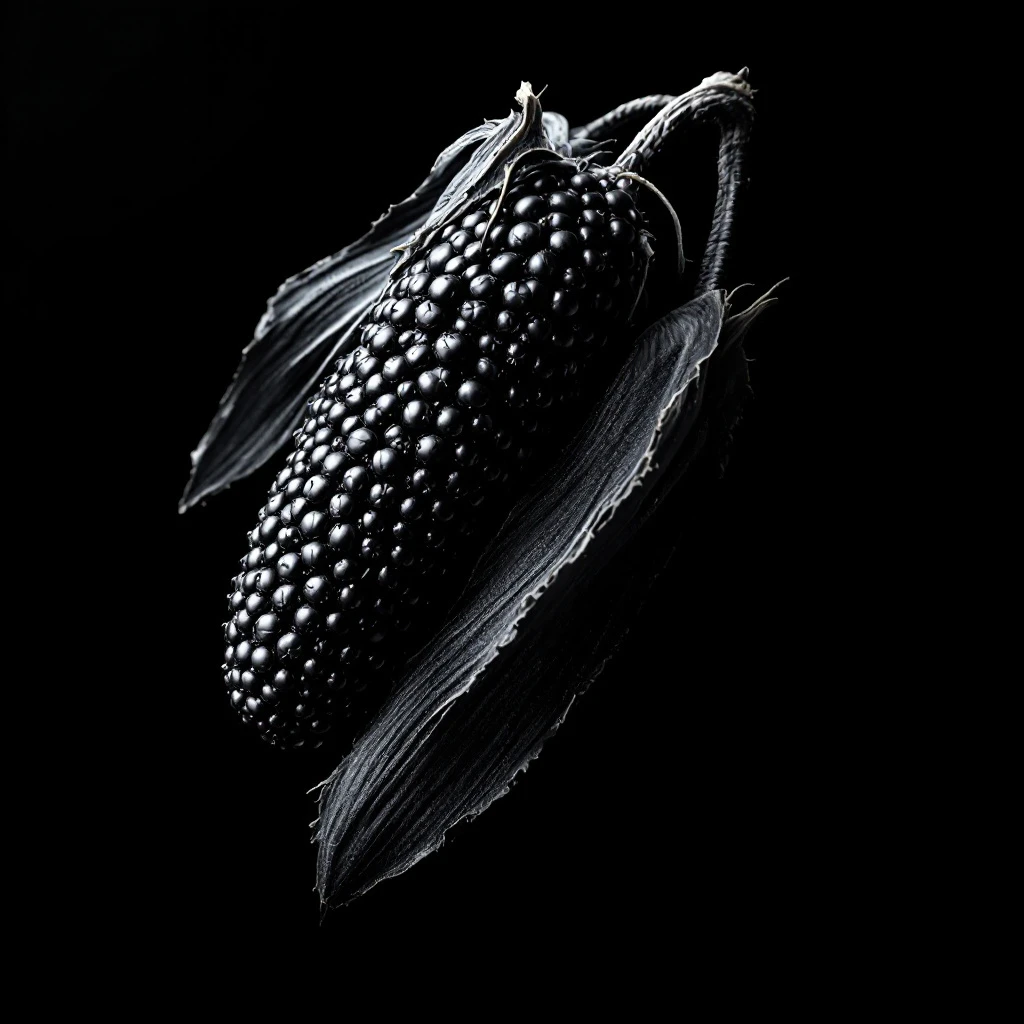
Character
How it smells
Vanilla's smoky shadow, discarded no more.
Vanilla requires hand pollination because its natural pollinators the bees and hummingbirds of Mexico do not exist elsewhere worldwide.
Pairs beautifully with

Origin
Madagascar
The Totonac people of Mesoamerica first cultivated vanilla around 700 CE, and the Aztecs later demanded it as tribute, valuing the cured pods as currency. Spanish conquistadors carried vanilla to Europe in the 16th century, where it remained a luxury spice for centuries.
French colonialists established vanilla plantations across the Indian Ocean islands, including Madagascar, now the world's leading producer. The husks themselves went largely unexamined until perfumers began searching for alternatives to vanillin's omnipresence in fragrance.
By the late 20th century, natural perfumers embraced the husk material for its gutsy departure from vanilla's stereotype as merely sweet and edible. This shift reframed what was once agricultural waste as a sophisticated olfactory material with pre-colonial roots and modern applications.
Wears it best
Fragrances featuring Dark Vanilla Husk
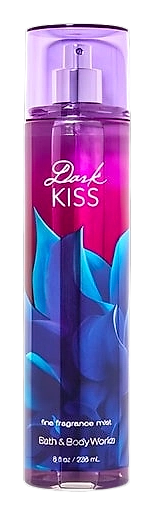
Brands
Brands known for Dark Vanilla Husk
Good to know
Questions, answered
The essentials on Dark Vanilla Husk in perfumery: how it smells, where it comes from, and how it behaves on skin.
What does Dark Vanilla Husk smell like?
Dark Vanilla Husk smells smoky and resinous with earthy, slightly bitter undertones. Unlike sweet vanilla extract, it carries a dry, woody character with subtle cream nuances. Think sun-baked leather mixed with distant caramel.
How is Dark Vanilla Husk different from regular vanilla extract?
Regular vanilla extract uses the inner bean material, resulting in sweet, creamy, food-like aroma. Dark Vanilla Husk uses the outer shell after extraction, yielding a smoky, austere profile with lower sweetness and higher complexity.
Is Dark Vanilla Husk a natural or synthetic material?
Dark Vanilla Husk is natural. It comes from the dried pods of Vanilla planifolia that remain after oleoresin extraction. No synthetic replication achieves its specific smoky resinous quality.
Which fragrance families commonly use Dark Vanilla Husk?
Dark Vanilla Husk appears most often in oriental and woody fragrances. Perfumers also use it in amber accords, leather bases, and smoky gourmand compositions where they want vanilla depth without excessive sweetness.
Does Dark Vanilla Husk contain vanillin?
Yes, but in reduced concentration compared to the whole bean. Residual vanillin remains along with phenolic compounds and other aromatic molecules that create the husk's characteristic smoky quality.
What fragrance compounds pair well with Dark Vanilla Husk?
Dark Vanilla Husk pairs naturally with benzoin, labdanum, and styrax for resinous depth. It also combines well with smoked woods, oud, and dark florals like iris and violet for complex, shadowy compositions.