Dark Vanilla Bean
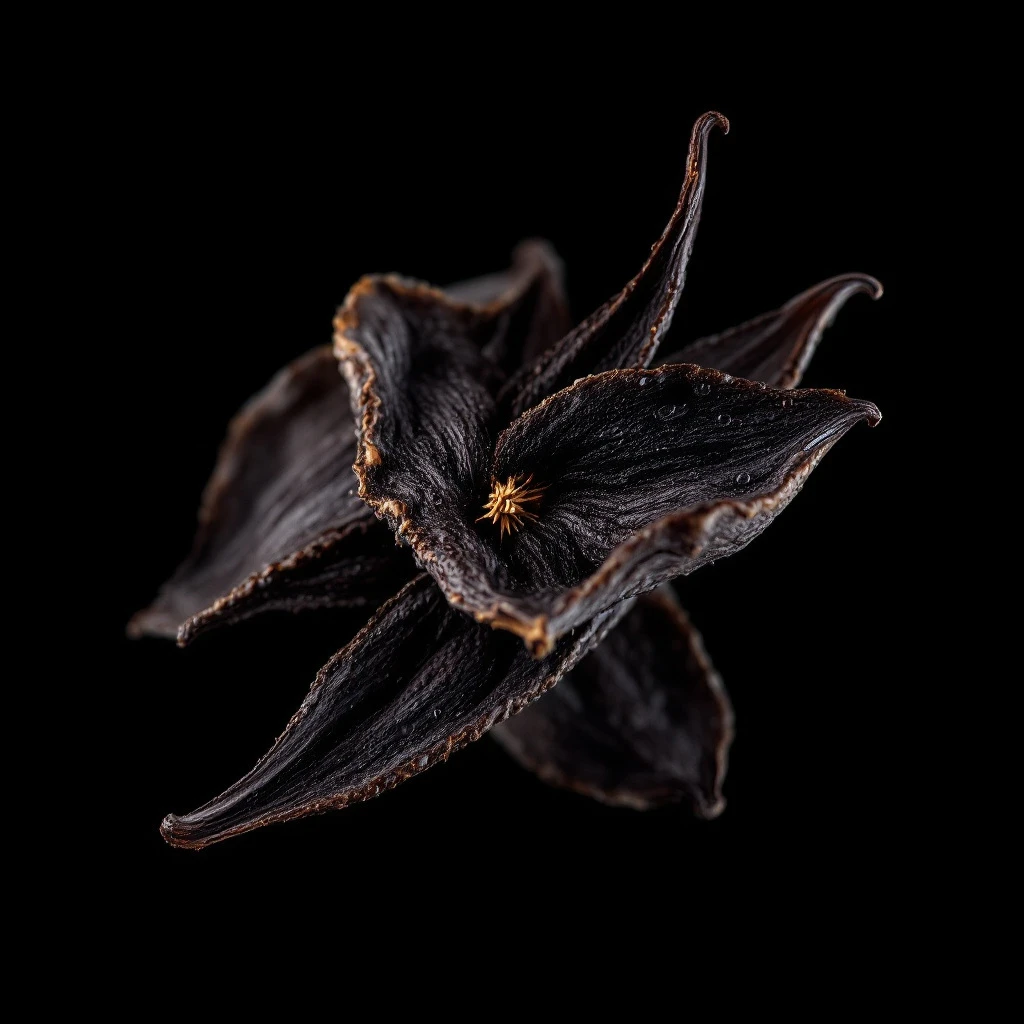
Rich, aged vanilla pods carry deep, bittersweet warmth with whispers of chocolate and dried fruit. Dark Vanilla Bean is the orchid's most seductive secret, cured under tropical sun until the beans turn nearly black with concentrated aroma.
Character
How it smells
The orchid's deepest, most intoxicating secret.
Edmond Albius, an enslaved boy on Réunion, invented the hand-pollination technique for vanilla orchids in 1841—a method still used today.
Pairs beautifully with

Origin
Mexico
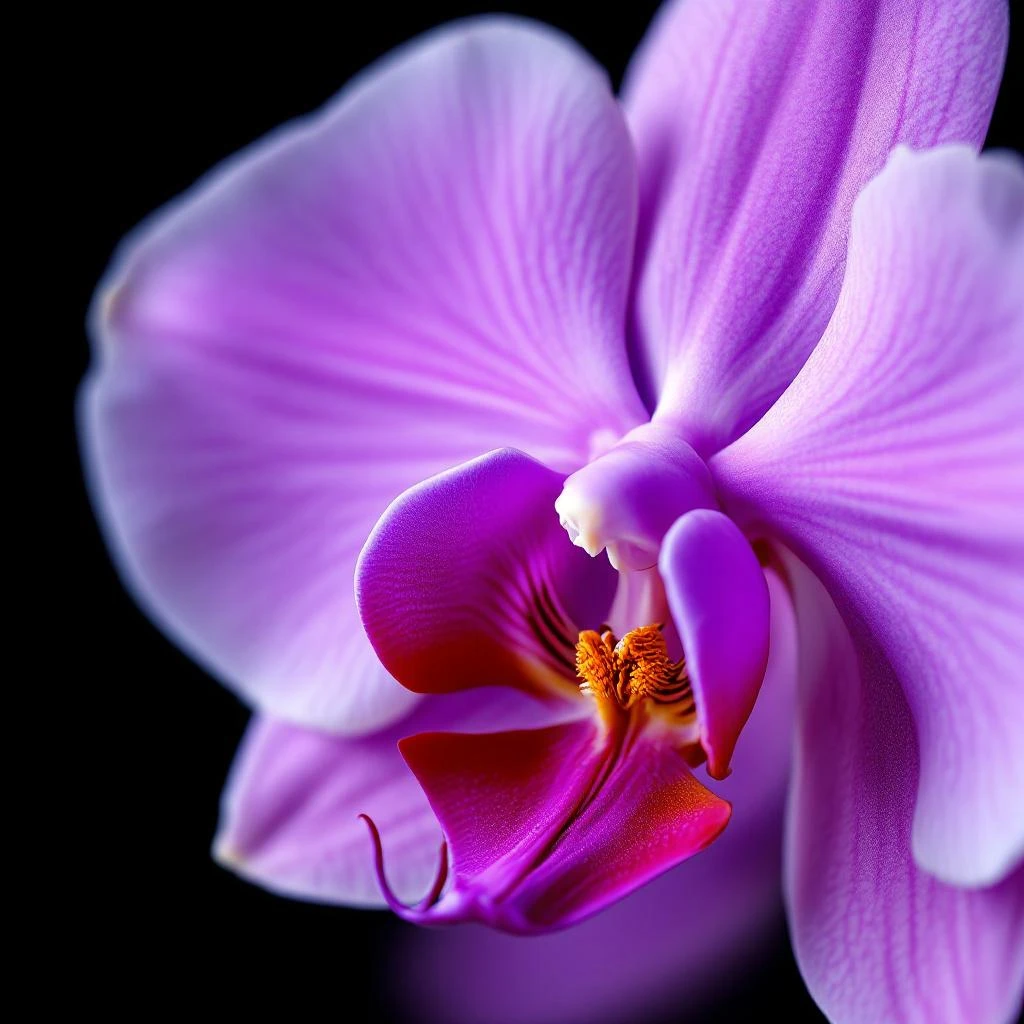
The Totonac people of Veracruz, Mexico, were the first to recognize the vanilla orchid's value, harvesting its seed pods centuries before European contact. The Aztecs adopted vanilla to flavor their prized chocolate drinks, establishing it as a luxury of Mesoamerican civilization.
When Spanish explorers carried vanilla to Europe in the 1500s, it remained a rare import exclusively from Mexico. For nearly 250 years, no one understood why vanilla refused to fruit outside its homeland.
The mystery solved itself in 1841 on the island of Réunion, where a young enslaved boy named Edmond Albius devised a simple hand-pollination method using a sliver of bamboo. His technique unlocked vanilla's global potential, though the plant still demands individual care from flower to cured pod.
Wears it best
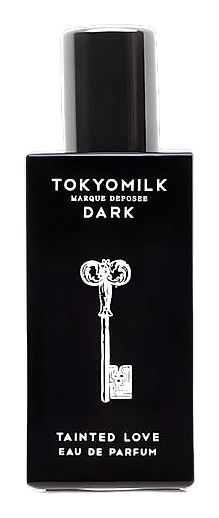
Fragrances featuring Dark Vanilla Bean
Brands
Brands known for Dark Vanilla Bean
Good to know
Questions, answered
The essentials on Dark Vanilla Bean in perfumery: how it smells, where it comes from, and how it behaves on skin.
What makes Dark Vanilla Bean different from standard vanilla?
Dark Vanilla Bean refers to pods that undergo extended curing, sometimes exceeding six months. This prolonged process intensifies color, deepens aroma, and develops bitter, almost chocolate-like facets absent in lighter vanilla extracts. The beans nearly blacken with concentrated aromatic compounds.
Where does vanilla cultivation occur today?
Madagascar produces roughly 80 percent of the world's natural vanilla. The island's humid climate and sandy soil create ideal growing conditions. Mexico, the original home of vanilla, still cultivates the crop, though volumes remain smaller.
How do extractors obtain vanilla oil from the beans?
Extractors macerate dried, cured vanilla beans in alcohol solvent. The alcohol dissolves aromatic compounds including vanillin from the bean matrix. After filtration and concentration, the result is a thick, dark absolute with intense, complex scent.
Why does natural vanilla cost more than many other fragrance ingredients?
Every vanilla flower requires hand-pollination because natural pollinators exist only in Central America. Each pollinated flower produces one pod. The pod then needs nine to ten months of careful curing before harvest. This labor intensity explains vanilla's premium pricing.
Which fragrance families pair well with Dark Vanilla Bean?
Dark Vanilla Bean anchors oriental fragrances naturally. It also enriches gourmand compositions and woody constructions. It pairs particularly well with amber, sandalwood, benzoin, and warm spice notes like cinnamon and cardamom.
What happens during vanilla's curing process?
Curing involves repeated cycles of sun drying by day and sweating in insulated containers overnight. This controlled heat and humidity triggers enzymatic browning, converting starches into aromatic compounds. The process continues for months until pods achieve their signature dark, wrinkled appearance.
What creates vanilla's characteristic scent profile?
Vanillin accounts for roughly 85 percent of vanilla's aroma, but the remaining fraction includes hundreds of companion molecules. These trace compounds introduce chocolate, dried fruit, tobacco, and slight bitterness that single-molecule synthetic vanillin cannot replicate.
How do perfumers decide between natural and synthetic vanilla?
Perfumers weigh cost, consistency, and complexity. Natural vanilla absolute offers irreplaceable nuance but varies between harvests. Synthetics provide reliability and purity but lack the full aromatic depth. Most luxury fragrances use strategic combinations of both.