Danish spruce
Danish spruce captures the crisp clarity of Nordic forests. Its essential oil delivers sharp, fresh pine with balsamic undertones that ground compositions with forest-floor depth.
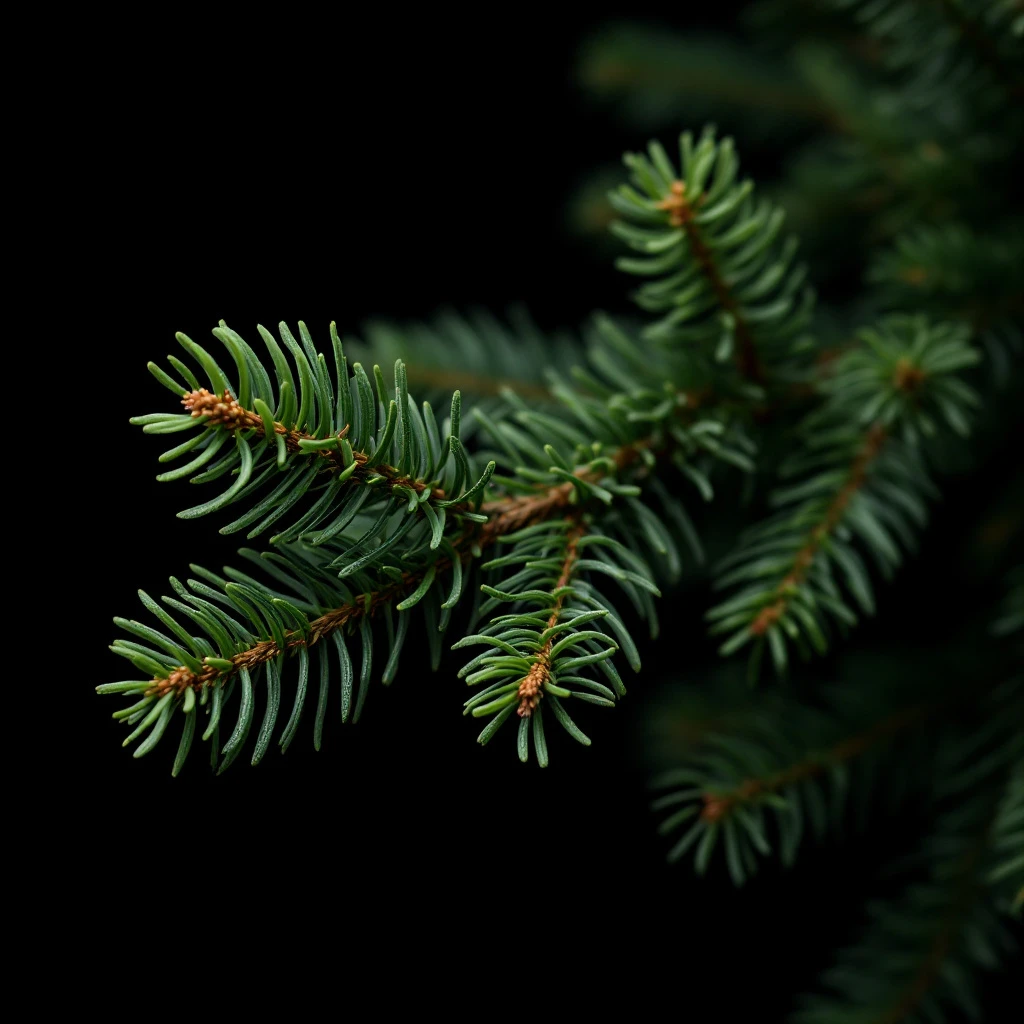
Character
How it smells
Nordic forest captured in every note.
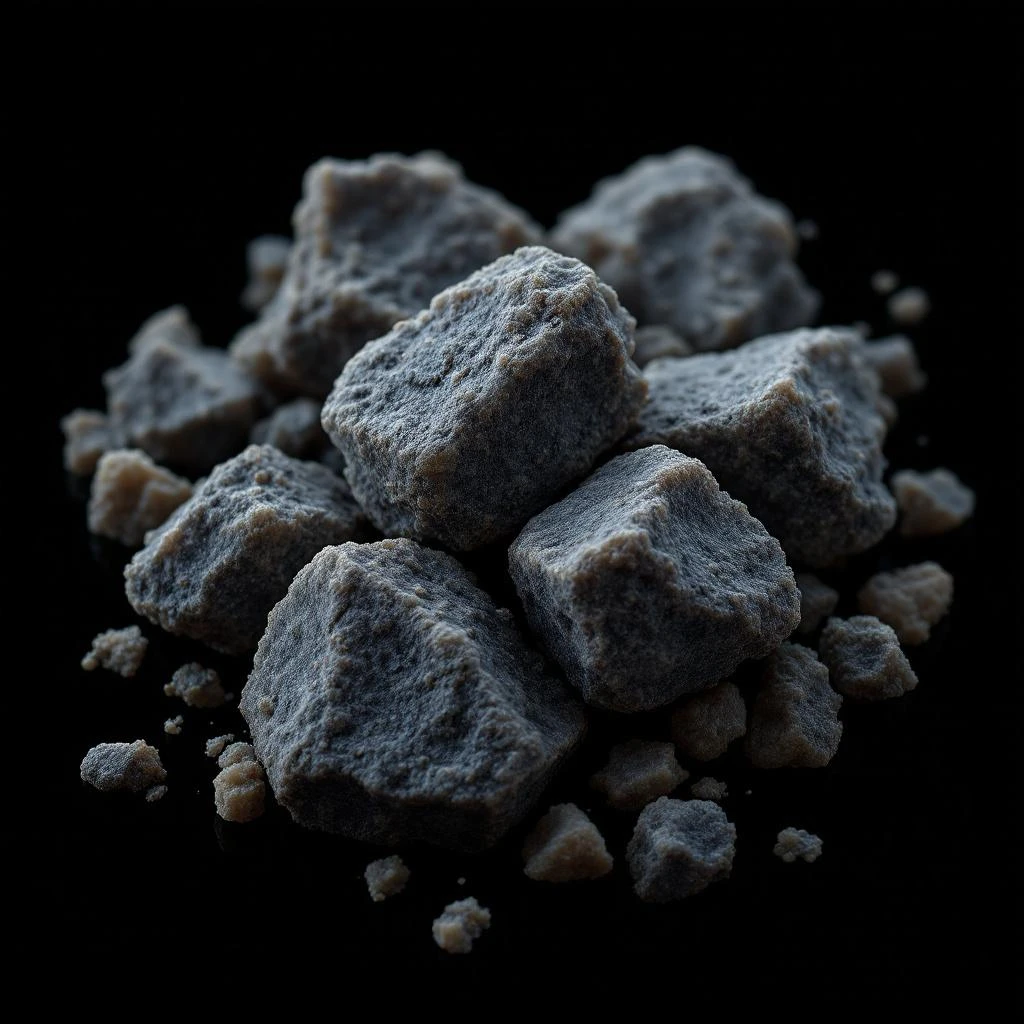
Spruce resin was burned as sacred incense by Vikings before battles, believed to purify spaces and invoke protection.
Pairs beautifully with


Origin
Denmark
Spruce has deep roots in Nordic culture extending beyond perfumery into spiritual and daily life. Ancient Scandinavian communities used spruce needles in healing preparations and ceremonial practices, believing the evergreen tree symbolized endurance through harsh winters.
Vikings burned spruce resin as incense before hunts and battles, considering it a purifying agent. Traditional Nordic medicine employed spruce bark and needles for respiratory ailments and wound treatment.
The 19th-century rise of European perfumery brought spruce into mainstream fragrance creation, where its fresh, bracing character found favor in masculine and fougère-style compositions. Danish and Swedish perfumers particularly embraced local spruce as a signature material representing Nordic terroir in fragrance, a practice that continues today as natural perfumery revisits regional botanicals.
Wears it best
Fragrances featuring Danish spruce

Brands
Brands known for Danish spruce
Good to know
Questions, answered
The essentials on Danish spruce in perfumery: how it smells, where it comes from, and how it behaves on skin.
What does Danish spruce smell like?
Danish spruce opens with sharp, fresh pine that feels crisp and immediate, settling into warm, balsamic undertones with subtle honey-like sweetness. It evokes standing among Nordic evergreens during winter.
Which fragrances feature Danish spruce as a main ingredient?
Scandinavian perfumers frequently use spruce in masculine and aromatic compositions. Nordic fragrance houses often feature it alongside cedar, juniper, and vetiver to emphasize forest character.
Is Danish spruce oil sustainable to harvest?
Responsible harvesting targets only 10-15% of available needles per tree, allowing regrowth. Danish forests maintain sustainable rotation cycles ensuring long-term supply.
How does Danish spruce differ from other spruce varieties?
Danish spruce (Picea abies) grows in cooler, maritime climates producing higher essential oil content with sharper, cleaner aromatic profiles compared to continental varieties.
What chemical compounds define spruce oil's aroma?
Alpha-pinene dominates at roughly 35-45% of composition, with camphene and bornyl acetate providing the characteristic fresh, slightly camphoraceous quality that distinguishes spruce from other conifers.
Can spruce oil cause skin sensitivity?
High pinene content makes spruce oil moderately sensitizing. IFRA guidelines recommend dilution below 2% in leave-on products and patch testing for sensitive individuals.
What fragrance families pair well with Danish spruce?
Spruce complements other woody materials including cedar and sandalwood, works beautifully with aromatic herbs like lavender and clary sage, and anchors fresh, ozonic accords without overpowering them.
Does synthetic spruce replace natural oil effectively?
Synthetic alpha-pinene captures the top note but misses the complex matrix of minor compounds that give natural oil its depth and natural variation across batches.