The Story
Why it exists.
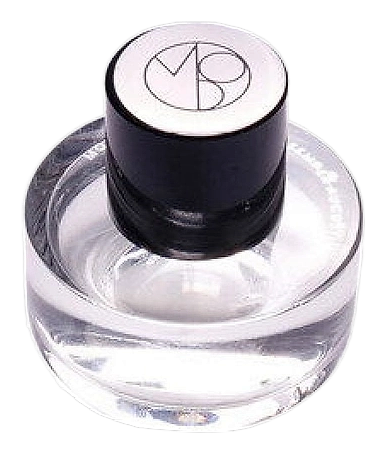
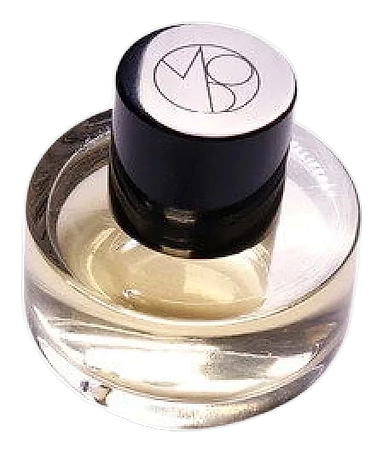
Rose Concrete emerged from Fredrik Dalman's desire to capture a single rose set against an unyielding mineral backdrop. Launched in 2019, the perfume takes its name from the paradox of a delicate bloom thriving on a slab of stone, echoing the brand’s love for contrast between light and shadow. The concept was to translate the image of a rose pressed into concrete, preserving its freshness while grounding it in a cool, almost architectural texture.
If this were a song
Community picks
Clair de Lune
Claude Debussy
The Beginning
Rose Concrete emerged from Fredrik Dalman's desire to capture a single rose set against an unyielding mineral backdrop. Launched in 2019, the perfume takes its name from the paradox of a delicate bloom thriving on a slab of stone, echoing the brand’s love for contrast between light and shadow. The concept was to translate the image of a rose pressed into concrete, preserving its freshness while grounding it in a cool, almost architectural texture.
May Rose gives a crisp early‑summer heart, while Pebbles adds a tactile mineral finish that few modern scents attempt. Pairing a single, transparent rose with cold stone creates a blend of botanical softness and architectural rigidity, steering clear of the typical sweet‑laden rose crowd.
The Evolution
The opening is a burst of mineral clarity, a cool air that feels like early morning light on a concrete slab, tinged with a faint marine whisper and a citrus spark that lifts the stone. Within the first ten minutes the May Rose blossoms, delivering a clean, slightly dewy petal that never turns sugary. As the heart fades, the base of Pebbles emerges, grounding the composition with a dry, cool stone‑like aura that clings to the skin. The drydown lingers for four to six hours, leaving a subtle, almost tactile reminder of a rose pressed into concrete, quiet, restrained, and unmistakably modern.
Cultural Impact
Rose Concrete arrived at a moment when minimalist design was influencing many creative fields, from architecture to fashion. Its stone‑inspired rose resonated with a generation seeking purity and structure in scent, echoing the clean lines of contemporary interiors. The fragrance quickly became a reference point in niche circles for how a single floral note can be framed by mineral accords, inspiring other perfumers to explore similar concepts. Over the years it has been cited in editorial pieces as a benchmark for modern rose compositions, reinforcing the idea that simplicity can convey depth and emotional nuance. Its influence extends beyond perfume, appearing in discussions of design philosophy and the intersection of scent with spatial experience.
The House
Netherlands · Est. 2004
Maison Mona di Orio emerged from a meeting between a classically trained French perfumer and a Dutch designer united by their passion for art and artisanal craft. Founded in Amsterdam in 2004, the house built its reputation on fragrances that bridge the golden heritage of 1920s and 1930s perfumery with a distinctly modern sensibility. Each scent plays with contrasts: light and shadow, sparkle and depth, the ephemeral and the enduring. The untimely passing of founder Mona di Orio in 2011 left a significant void, yet her vision continues through her partner Jeroen Oude Sogtoen and in-house perfumer Fredrik Dalman.
If this were a song
Community picks
The scent feels like a minimalist piano piece, clean, precise, with a cool undercurrent that matches the stone rose. The primary track, Clair de Lune by Debussy, mirrors the quiet elegance.
Clair de Lune
Claude Debussy