

The Heritage
The Story of Lancôme
Lancôme is the quintessential French luxury beauty house, celebrated for its sophisticated perfumes and skincare that embody Parisian elegance. For nearly a century, it has defined accessible glamour, creating iconic fragrances that capture a spirit of joyful, confident femininity.
Heritage
Armand Petitjean, a visionary with a deep appreciation for French elegance, founded Lancôme in 1935. Having honed his skills working for the great perfumer François Coty, Petitjean dreamed of a brand that would export French taste to the world. He chose the name Lancôme after the romantic ruins of a castle, Le Château de Lancosme, and adopted the roses growing nearby as his emblem. In a bold debut, he launched not one but five fragrances at the 1935 Brussels World's Fair, immediately establishing the house's perfumery ambitions. Within a year, Petitjean expanded into skincare with the now-legendary Nutrix cream, proving the brand's scope was broader than just scent. He was a stickler for quality and presentation, even opening his own school in 1942 to train technicians and ambassadors in the art of Lancôme beauty. The brand's trajectory changed forever when it was acquired by L'Oréal in 1964. This move provided the resources for massive international growth, transforming Lancôme from a respected French house into a global beauty titan. Under L'Oréal, it launched blockbusters like the spicy oriental Magie Noire (1978) and the radiant floral Trésor (1990), cementing its status as a powerhouse in modern perfumery.
Craftsmanship
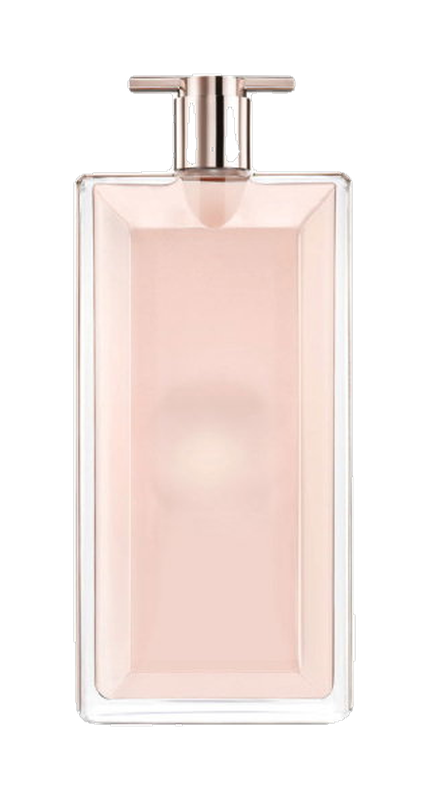
Lancôme collaborates with the world's most celebrated master perfumers from top fragrance firms like IFF and Givaudan. These 'noses', including Dominique Ropion, Anne Flipo, and Olivier Polge, are given the creative freedom to compose with some of the finest raw materials available. The creation of a single fragrance can involve hundreds of trials over several years, as seen with La Vie Est Belle, which reportedly went through over 5,000 versions before its final validation. The house places a growing emphasis on sustainable sourcing for its key ingredients. For its perfume Idôle, for example, Lancôme sources Isparta rose petals from a community of growers in Turkey, ensuring fair-trade practices and environmental responsibility. While operating at a massive scale, the brand maintains a commitment to quality, blending natural essences with advanced synthetic molecules to create perfumes with exceptional longevity and diffusion.
Design Language
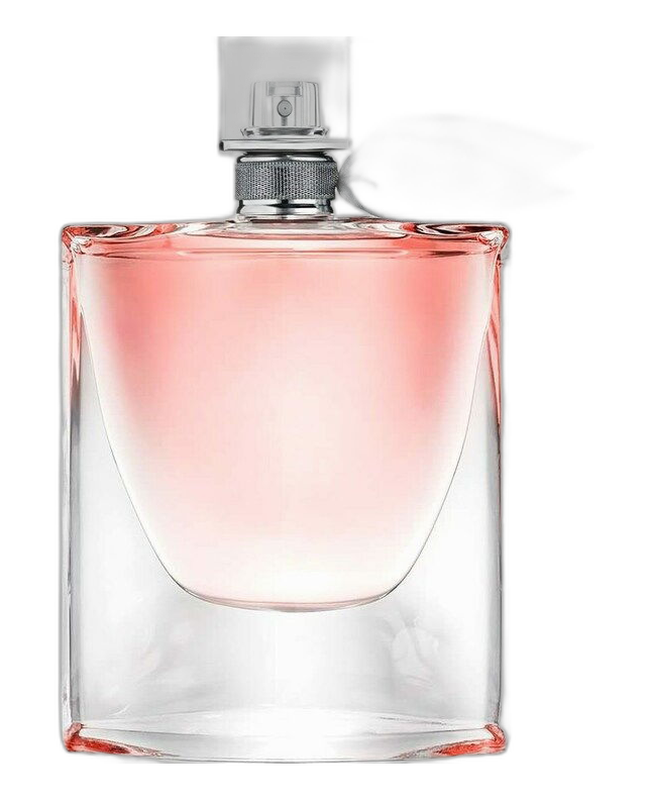
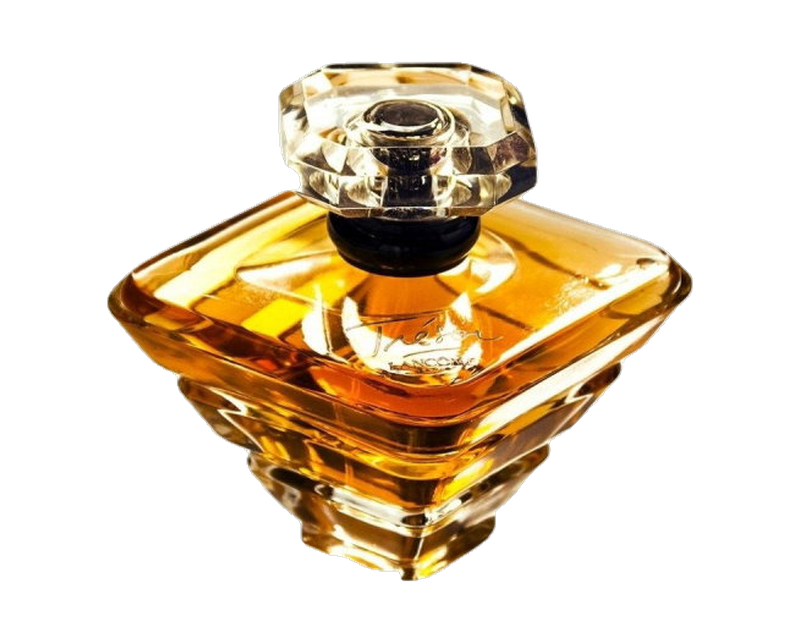
Lancôme's design language is one of refined, architectural elegance. Each bottle is conceived as a work of art, a 'flacon bijou' or jewel bottle that tells a story. The iconic inverted pyramid of Trésor was designed to capture and reflect light like a precious gem held in the hand. Similarly, the bottle for La Vie Est Belle, nicknamed 'the crystal smile', features a graceful, smiling curve imprinted within a solid block of glass, a technical feat that symbolizes happiness. The brand’s visual identity is clean, luxurious, and instantly recognizable. The single, stylized gold rose serves as a seal of quality and heritage across all products. Packaging is polished and substantial, reinforcing the feeling of an accessible luxury purchase. This cohesive aesthetic, combined with glossy campaigns featuring Hollywood's most beloved actresses, creates a powerful and consistent image of sophisticated, feminine glamour.
Philosophy
At its heart, Lancôme's philosophy is about happiness. The brand's mission, from its inception, has been to make women feel beautiful and, in turn, happier. It's a vision of beauty that isn't distant or unapproachable, but rather empowering and full of life. This is perfectly encapsulated in the name of its most famous modern perfume, La Vie Est Belle, which translates to 'life is beautiful'. The rose remains the central symbol of the house, representing passionate, multifaceted femininity. Lancôme's creative drive is to translate this French 'joie de vivre' into scents and textures. They believe in a beauty that is both aspirational and deeply personal, choosing celebrity ambassadors like Julia Roberts and Zendaya who project strength, warmth, and authenticity.
Key Milestones
1935
Armand Petitjean founds Lancôme and launches five fragrances at the Brussels World's Fair.
1936
The brand enters skincare with its first product, the multi-purpose repair cream Nutrix.
1964
Lancôme is acquired by beauty giant L'Oréal, paving the way for global expansion.
1990
Trésor is launched, becoming a worldwide bestseller and an icon of 90s perfumery.
2012
La Vie Est Belle is released, a gourmand fragrance that becomes one of the best-selling perfumes of the 21st century.
At a Glance
Brand profile snapshot
Origin
France
Founded
1935
Heritage
91
Years active
Collection
4
Fragrances released
Avg Rating
3.7
Community sentiment