

The Heritage
The Story of Guerlain
Guerlain stands as one of the oldest and most revered perfume houses in the world, founded in Paris in 1828 by Pierre-François-Pascal Guerlain. What began as a boutique on rue de Rivoli quickly became the preferred destination for Parisian society, attracting dandies and elegant women who sought custom-crafted fragrances. The house's influence grew to such heights that Guerlain earned the title of Official Perfumer to Napoleon III after presenting Eau de Cologne Impériale to Empress Eugénie as a wedding gift in 1853. This royal patronage marked the beginning of Guerlain's enduring association with European aristocracy, as the house went on to create fragrances for Queen Victoria and Queen Isabella II of Spain. Today, under the creative direction of Thierry Wasser, the fifth-generation perfumer, Guerlain continues to shape the landscape of fine fragrance with a portfolio spanning over 1,100 olfactory creations. The house remains headquartered at its legendary Champs-Élysées mansion, a historic monument that anchors Guerlain's position at the intersection of heritage and contemporary luxury.
Heritage
The story of Guerlain begins in 1828 when Pierre-François-Pascal Guerlain opened his first boutique at 42, rue de Rivoli in Paris. A trained chemist and self-taught perfumer, he initially crafted custom fragrances for his clientele, blending creams and cosmetics alongside perfumes. His scientific approach and artistic sensibility quickly attracted the Parisian beau monde and wealthy English travelers, establishing the boutique as an essential meeting place for fashionable society. By 1840, Guerlain had relocated to the prestigious rue de la Paix, solidifying its position in the heart of Parisian luxury. The pivotal moment arrived in 1853 when Pierre-François created Eau de Cologne Impériale for Napoleon III and Empress Eugénie, earning him the title of Official Perfumer to His Majesty. This royal commission elevated Guerlain to the pinnacle of European perfumery. Upon Pierre-François's death in 1864, his sons Aimé and Gabriel assumed leadership, with Aimé becoming the house's second-generation perfumer and Gabriel managing the business. Aimé's most celebrated creation was Jicky in 1889, a revolutionary fragrance considered the first true parfum and among the first to combine synthetic and natural ingredients. Gabriel's son Jacques took over as perfumer in 1912, marking the beginning of the house's most prolific creative period. Jacques composed landmark fragrances including L'Heure Bleue (1912), Mitsouko (1919), and the iconic Shalimar (1925), which became one of the most influential fragrances in history. His grandson Jean-Paul Guerlain continued this legacy from 1956, creating classics such as Vétiver (1959), Habit Rouge (1965), and Samsara (1989). In 1994, LVMH acquired the house, ending 166 years of family ownership. Thierry Wasser, who trained under Jean-Paul Guerlain, now serves as the house's fifth-generation in-house perfumer, guiding the brand into its third century of olfactory excellence.
Craftsmanship
The craftsmanship behind Guerlain fragrances represents the pinnacle of artisanal perfumery, combining rigorous ingredient selection with masterful composition techniques passed down through generations. Thierry Wasser, as the current house perfumer, travels extensively to source the finest raw materials from around the world, personally selecting ingredients that meet Guerlain's exacting standards. The house maintains deep partnerships with growers and suppliers across multiple continents, ensuring traceability and quality at every stage of production. Vanilla, a signature ingredient in many Guerlain creations, is processed at the house's Orphin site in France, where skilled artisans transform raw vanilla beans through careful extraction. Honey, another cornerstone material for the house, is harvested from the island of Ouessant in Brittany, where bees produce a distinctive, pure nectar that reflects the pristine coastal environment. The production facility in Chartres, known as La Ruche (the Hive), houses state-of-the-art manufacturing capabilities while maintaining the handcrafted attention to detail that defines Guerlain's approach. Each fragrance undergoes extensive evaluation and aging processes, allowing the various notes to harmonize and develop their full complexity before release. The house's commitment to craftsmanship extends to its iconic bottles, many of which continue to be produced using traditional techniques. Baccarat crystal works, renowned for their technical virtuosity, create signature bottles such as the inverted-heart stopper for L'Heure Bleue, a feat of glassmaking precision that remains remarkable decades after its creation. Guerlain's cosmetics and skincare lines benefit from the same dedication to quality, with products like the terracotta powder achieving remarkable popularity, reportedly selling one unit every thirty seconds worldwide.
Design Language
The aesthetic identity of Guerlain draws from French classical elegance and a sense of timeless refinement that distinguishes the house from its contemporaries. The flagship boutique at 68, Avenue des Champs-Élysées, built in 1914, serves as the physical embodiment of Guerlain's visual identity. This magnificent hôtel particulier, registered on France's Supplementary Historic Monument List, features ornate architecture and interiors that reflect the grandeur of ParisianHaussmann-era design. The bee emerges as Guerlain's most significant aesthetic symbol, appearing throughout the brand's visual language from the iconic Bee Bottle created for Empress Eugénie in 1853 to contemporary packaging and campaigns. This motif connects the house's royal heritage with its commitment to nature and environmental responsibility. Guerlain's packaging design maintains a restrained elegance, utilizing the brand's signature ivory, gold, and deep green color palette across products. The house's advertising campaigns have historically featured sophisticated imagery and typography that evoke romance, luxury, and French cultural refinement.瓶身设计方面,Guerlain坚持简洁优雅的风格,许多经典香水采用标志性的倒心形瓶塞和精致的雕刻工艺,体现了品牌对细节的极致追求。La Ruche工坊的建筑设计同样体现了Guerlain的美学理念,其现代感的蜂窝结构与品牌历史传承形成对话,展示了品牌在保持传统的同时拥抱创新的态度。
Philosophy
Guerlain's philosophy centers on an unwavering commitment to artisanal excellence and olfactory innovation that has defined the house for nearly two centuries. The belief that perfumery is both an art and a science permeates every aspect of the house's operations. Guerlain maintains that each fragrance should tell a story, evoke emotion, and create a lasting connection with its wearer. This conviction manifests in the house's dedication to creating distinctively memorable scents rather than chasing market trends. The concept of the Guerlinade, a signature accord shared across many Guerlain fragrances, represents the house's approach to creating olfactory continuity while allowing individual creations to express their unique character. Environmental stewardship has become increasingly central to Guerlain's philosophy, exemplified by its partnership with UNESCO that has reportedly facilitated the repopulation of 125 million bees, as these pollinators hold deep significance for the house's identity. The bee motif, which began with the Bee Bottle created for Empress Eugénie in 1853, has evolved into a symbol of Guerlain's commitment to protecting nature's precious raw materials. Innovation and tradition coexist harmoniously within the house's ethos, with each generation of perfumers building upon inherited knowledge while pushing creative boundaries. This balance between reverence for the past and openness to new possibilities defines Guerlain's enduring relevance in contemporary luxury fragrance.
Key Milestones
1828
Pierre-François-Pascal Guerlain opens his first boutique at 42, rue de Rivoli in Paris, establishing the foundation for one of the world's oldest perfume houses.
1853
Creation of Eau de Cologne Impériale for Napoleon III and Empress Eugénie earns Pierre-François the title of Official Perfumer to His Majesty, establishing royal patronage.
1889
Aimé Guerlain creates Jicky, the first fragrance described as a parfum and among the first to combine synthetic and natural ingredients, marking a revolutionary shift in modern perfumery.
1925
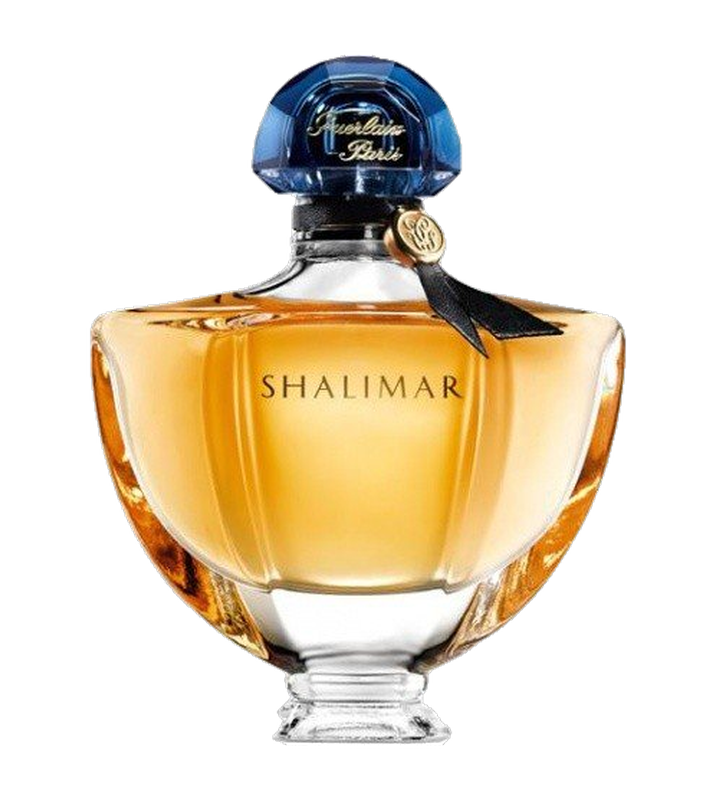
Jacques Guerlain composes Shalimar, an iconic fragrance inspired by Mughal gardens and the love story of Emperor Shah Jahan and Mumtaz Mahal, which becomes one of the most influential perfumes in history.
1994
LVMH acquires Guerlain after 166 years of family ownership, ending the direct lineage of Guerlain perfumers at the company's helm while preserving the house's heritage and creative traditions.
At a Glance
Brand profile snapshot
Origin
France
Founded
1828
Heritage
198
Years active
Collection
4
Fragrances released
Avg Rating
2.8
Community sentiment