
The Heritage
The Story of Givenchy
Givenchy Parfums translates the house's couture legacy of aristocratic elegance and audacious spirit into scent. Born from the legendary friendship between Hubert de Givenchy and Audrey Hepburn, its fragrances explore the tension between the classic and the rebellious, the dark and the light. This is a house that isn't afraid to break the rules, but always does so with impeccable style.
Heritage
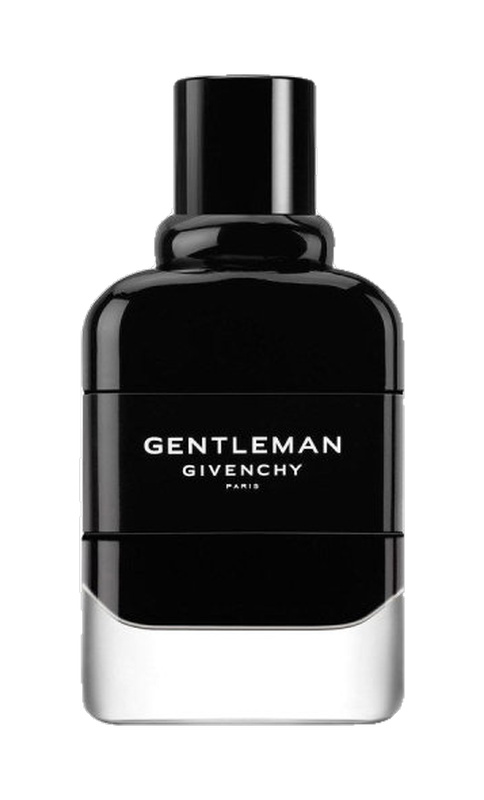
When Hubert de Givenchy founded his couture house in Paris in 1952, he was just 25 years old. He quickly became known for a fresh, modern elegance that stood apart from the more rigid styles of the era. His most important relationship was not with a client, but with his muse, actress Audrey Hepburn. He designed her personal and on-screen wardrobes, and in 1957, he created a fragrance exclusively for her. When he suggested releasing it to the public, she playfully protested, giving the scent its name: L'Interdit, or 'The Forbidden.' L'Interdit, along with its counterpart Le De, marked the official birth of Parfums Givenchy. The house followed this success with the first masculine scent, Monsieur de Givenchy, in 1959. But it was 1974's Gentleman that truly defined Givenchy's masculine identity, using a bold dose of patchouli that was daring for its time. After Hubert's retirement in 1995, the house, which had been acquired by LVMH in 1988, continued to evolve. A series of visionary designers have kept the brand at the forefront of fashion, and the fragrance division has mirrored this evolution, reinterpreting its icons for new generations while launching new pillars that honor the founder's audacious spirit.
Craftsmanship
As a part of the LVMH group, Parfums Givenchy benefits from access to some of the finest raw materials and most talented perfumers in the world. Masters like Dominique Ropion, Anne Flipo, Olivier Cresp, and Nathalie Lorson have all composed for the house. They work in Givenchy's dedicated fragrance laboratories in France, blending exceptional natural ingredients with advanced scent molecules to achieve the brand's signature contrasts. The house places a high value on specific materials that have become olfactory signatures. For example, the iris pallida used in the Gentleman line is prized for its powdery, noble quality, while the orange blossom in L'Interdit is sourced from Tunisia and treated with different extraction methods to reveal its every facet. This commitment to ingredient quality is absolute, ensuring that each fragrance not only has a compelling story but also a superior structure and longevity on the skin. It's a process that marries the soul of a couture house with the precision of modern perfumery.
Design Language
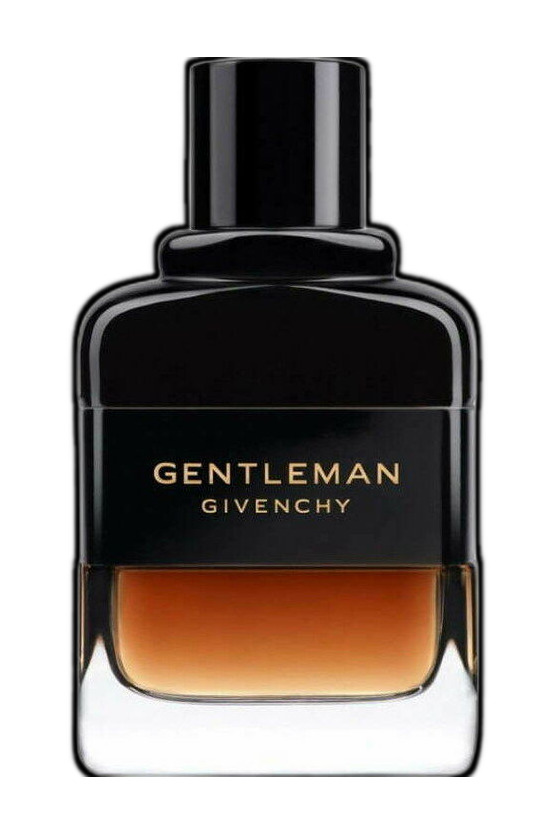
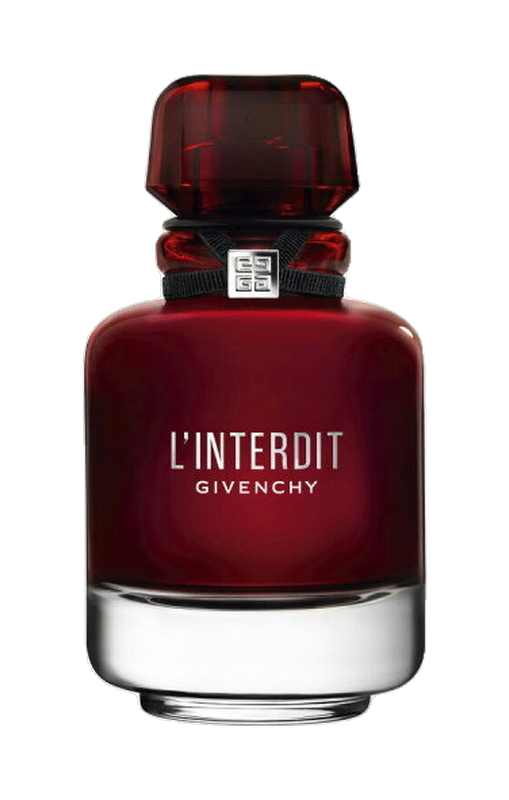
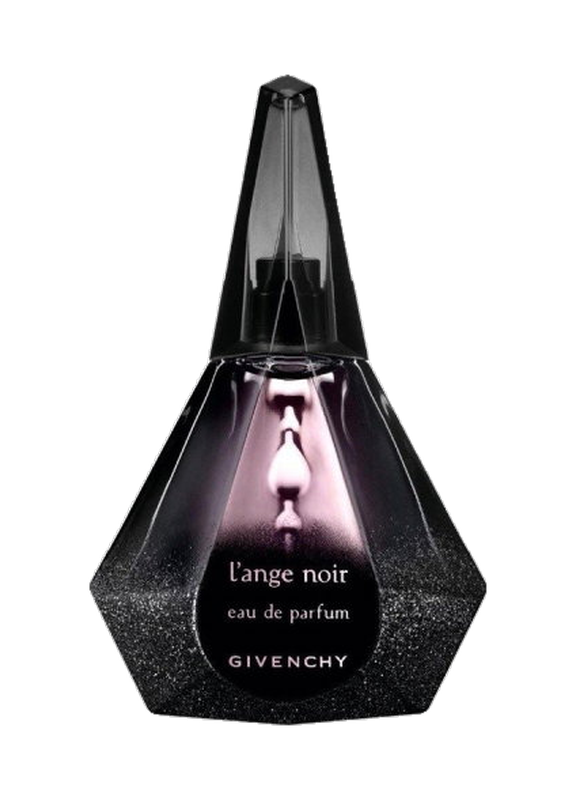
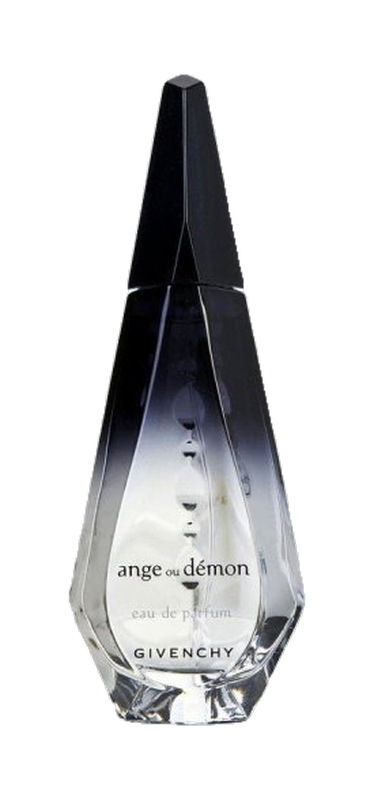
Givenchy's design language is one of refined modernity and substance. The bottles feel like beautiful, solid objects, never flimsy or overly decorative. This approach began with the original fragrances, whose clean, classic bottles were often designed by the legendary Pierre Dinand. Today, that legacy is visible in the powerful, architectural forms of the modern L'Interdit and Gentleman bottles. They're heavy and satisfying to hold, with minimalist labels and strong silhouettes. The house's iconic 4G logo, a square composed of four 'G's, is often subtly integrated into the cap or packaging. The color palette is typically restrained, relying on the stark chic of black and white, often punctuated by a bold red, a color deeply connected to the brand's couture identity. The packaging and visual identity communicate luxury through quality and form rather than overt ornamentation, reflecting Hubert de Givenchy's own belief in the power of pure, elegant lines.
Philosophy
At its core, Givenchy's philosophy is about 'fearless elegance.' The brand doesn't create simple, pretty fragrances; it creates olfactory statements. There's a constant play of contrasts that defines their work. You can feel it in the modern L'Interdit, which pits a bright, white floral bouquet against a dark, earthy base of vetiver and patchouli. It's the scent of a thrill, a step into the unknown. This duality extends to the masculine lines, where the Gentleman collection celebrates a man who is both strong and sensitive, classic yet modern. The house believes a fragrance should be an extension of one's personality, an invisible accessory that provides confidence and a touch of defiance. It's about respecting tradition enough to know exactly how to break its codes with sophistication and impact.
Key Milestones
1952
Hubert de Givenchy opens his couture house, Maison Givenchy, in Paris.
1957
Parfums Givenchy is founded with the launch of L'Interdit, a fragrance first created exclusively for Audrey Hepburn.
1974
The iconic Gentleman is launched, a bold and radical patchouli fragrance that redefines masculine perfumery.
1988
The house of Givenchy is acquired by the luxury conglomerate LVMH Moët Hennessy Louis Vuitton.
2018
A new version of L'Interdit is launched, becoming a global bestseller and a new pillar for the brand.
2022
Gentleman Réserve Privée is released, blending floral notes with a whisky absolute, inspired by the worlds of perfumery and spirits.
At a Glance
Brand profile snapshot
Origin
France
Founded
1952
Heritage
74
Years active
Collection
5
Fragrances released
Avg Rating
3.4
Community sentiment