


The Heritage
The Story of Etat Libre d'Orange
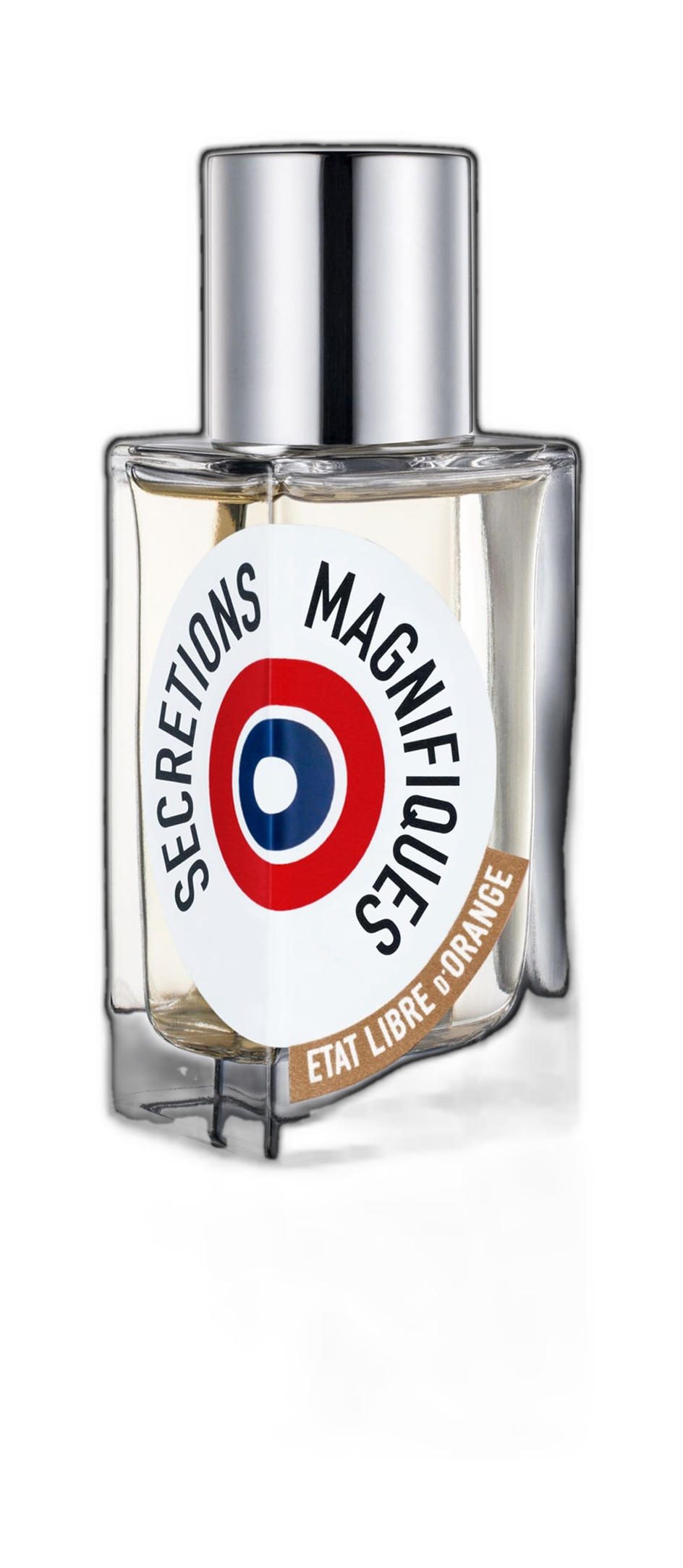
Étienne de Swardt founded Etat Libre d'Orange in 2006 with a manifesto: perfume should provoke. The house gives its perfumers total creative freedom — no commercial briefs, no focus groups. The result is a catalog of unapologetic scents, from the animalic shock of Sécrétions Magnifiques to the delicate restraint of Yes I Do. Perfumery as contemporary art.
Heritage
Frustrated by the commercial constraints of the mainstream perfume industry, Étienne de Swardt left his marketing role at LVMH to found Etat Libre d'Orange in 2006. He established a new kind of perfume house in Paris with a radical manifesto: complete creative liberty for the perfumer. The brand's name, meaning "Orange Free State," is a nod to the independent Boer republic in South Africa where de Swardt was born, symbolizing a sovereign territory of olfactory expression. This was a place for ideas, not for marketing briefs. The house launched with a bang, releasing a collection of audacious scents with names like Putain des Palaces (Palace Whore), Jasmin et Cigarette, and the infamous Sécrétions Magnifiques. These initial offerings were a statement of intent, signaling that nothing was off-limits. This approach quickly attracted some of the world's most respected perfumers, including Antoine Lie and Quentin Bisch, who were drawn to the promise of creating without compromise. The house has since built a reputation for wit, intelligence, and a punk-rock attitude in a world of polite florals.
Craftsmanship
The distinctive process at Etat Libre d'Orange is more about intellectual freedom than a specific production technique. The house commissions work from master perfumers, giving them a name or a concept and then stepping back completely. There are no cost limits on raw materials and no market testing, allowing the creator to pursue their vision to its most complete conclusion. This results in compositions that are often daring and structurally unique, using high-quality ingredients to serve a powerful idea. In recent years, the house has also shown a commitment to material exploration. For the fragrance I Am Trash (Les Fleurs du Déchet), they worked with the supplier Givaudan to create the first fine fragrance using upcycled ingredients. This involved scientifically re-composing scents from the waste materials of other perfume productions, like spent rose petals and leftover sandalwood chips. It was a novel approach that turned the idea of waste into a beautiful and desirable concept.
Design Language
The visual identity of Etat Libre d'Orange is a study in contrasts. The bottles are uniform and minimalist: heavy, rectangular glass flacons that feel substantial and serious. This simple design places the focus squarely on the liquid inside, treating the perfume with the respect of a fine art object. The only adornment is the brand's logo, a tricolor cockade. This circular blue, white, and red emblem is a symbol of the French Revolution, perfectly capturing the house's rebellious spirit and Parisian roots. While the bottle is restrained, the outer packaging is where the brand's personality comes alive. The boxes often feature bold graphics, witty manifestos, and provocative text that tells the story of the scent within. The overall look is clean and modern, but it’s charged with an intellectual and subversive energy. It feels less like a luxury product and more like a book or a piece of conceptual art you can wear.
Philosophy
The guiding principle of Etat Libre d'Orange is summed up in their motto: "Le parfum est mort, vive le parfum!" which translates to "Perfume is dead, long live perfume!" This is a rebellion against the safe, focus-grouped fragrances that dominate the market. The house believes perfumery is an art form, and its perfumers are authors, artists, and poets who should be free to tell their stories. The fragrance itself, from its name to its composition, is the hero. They embrace controversy and ambiguity, creating scents that demand a reaction, be it love or hate. Indifference is their only failure. The names of their perfumes are often the only brief a perfumer receives, serving as a conceptual spark for creation. From literary references like The Afternoon of a Faun to bold collaborations with figures like Tilda Swinton and the Tom of Finland Foundation, the house champions originality and intellectual curiosity above all else.
Key Milestones
2006
Étienne de Swardt founds the house in Paris, launching with a series of provocative scents including Sécrétions Magnifiques.
2007
The house releases Tom of Finland, a major collaboration with the foundation celebrating the artist's homoerotic art, cementing their reputation for bold partnerships.
2010
Actress Tilda Swinton collaborates on Like This, a fragrance inspired by the scents of her Scottish home.
2017
You or Someone Like You is released, a unique project with author and critic Chandler Burr to create the scent of a fictional character from his novel.
2018
They release I Am Trash (Les Fleurs du Déchet), the first luxury perfume composed from upcycled ingredients, breaking new ground in sustainable perfumery.
At a Glance
Brand profile snapshot
Origin
France
Founded
2006
Heritage
20
Years active
Collection
3
Fragrances released
Avg Rating
2.8
Community sentiment