
The Heritage
The Story of Aesop
Aesop is an Australian luxury skincare and fragrance house founded in Melbourne in 1987 by hairdresser Dennis Paphitis, who began blending essential oils into hair products at his salon before building one of the most distinctive beauty brands in the world. Known for botanical formulations, architectural retail spaces, and a conspicuous refusal to advertise, Aesop occupies a rare position at the intersection of skincare, perfume, and cultural sensibility. The brand launched its first fragrance, Marrakech, in 2005 and has since developed a tight collection of distinctive scents. Aesop became a certified B Corp in 2020 and, after more than a decade under Brazilian owner Natura & Co, joined the L'Oréal portfolio in 2023 in a deal valued at approximately $3.7 billion.
Heritage
The Aesop story begins in Armadale, Melbourne, in 1987, when Dennis Paphitis, a hairdresser of Greek heritage, grew frustrated with the chemical-laden products available at the time. At his salon, Emeis, he began incorporating essential oils into hair treatments, creating formulations that clients requested by name. The success of these experiments prompted expansion into skincare, with Paphitis partnering with a chemistry lab to develop products that balanced natural ingredients with scientific rigour. The rebranding to Aesop came a few years later, prompted by a name conflict with another business. The choice of Aesop, the ancient Greek fabulist, was deliberate and wry: it signalled the brand's scepticism toward the hyperbolic promises that dominated the cosmetics industry. After debuting with just four products, the range grew steadily. The first dedicated Aesop store opened in 2003 in St Kilda, Melbourne, tucked into a narrow underground space that had once served as a car park ramp. This setting set the template for the brand's retail philosophy: adapt to what exists, work with the grain of a place rather than against it. By 2012, Aesop had grown enough to attract Natura & Co, which acquired a majority stake for approximately $71 million. Natura took full ownership by 2016. Paphitis stayed on as an advisor. The following years brought international expansion, new fragrance releases, and homeware products. In 2023, L'Oréal completed its acquisition of Aesop for around $3.7 billion. Today the brand operates nearly 400 stores across 27 countries, offering skincare, body, haircare, fragrance, and home products, all guided by the original ethos of thoughtful formulation and considered design.
Craftsmanship
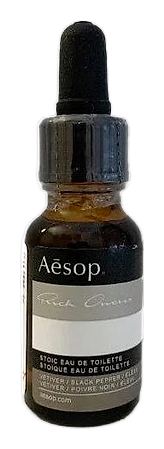
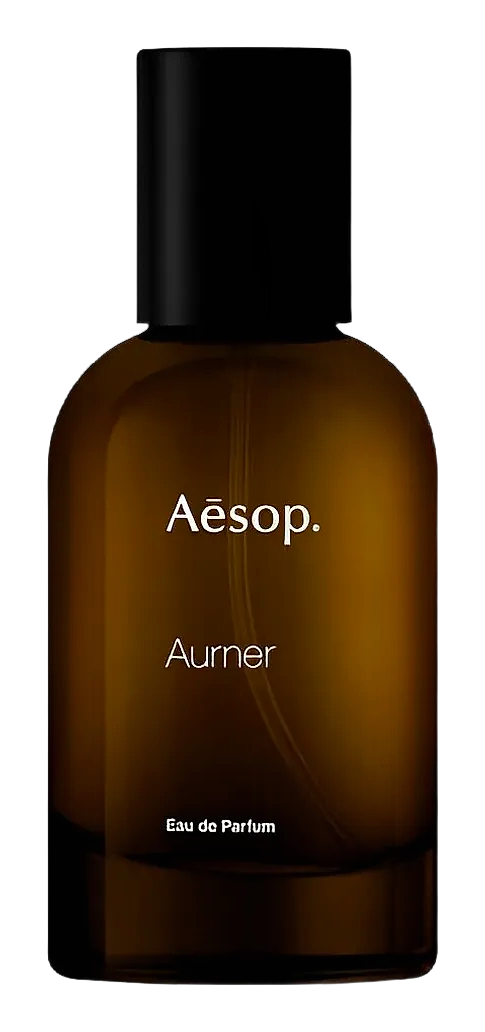
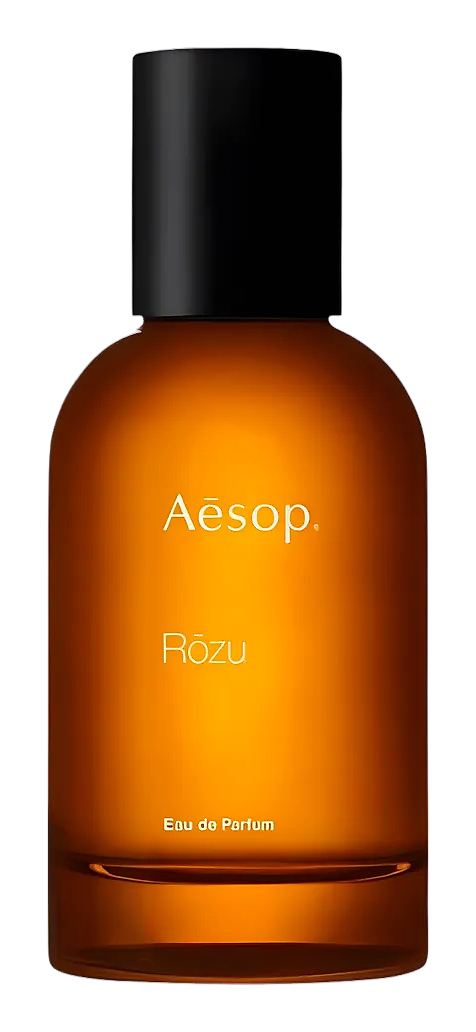
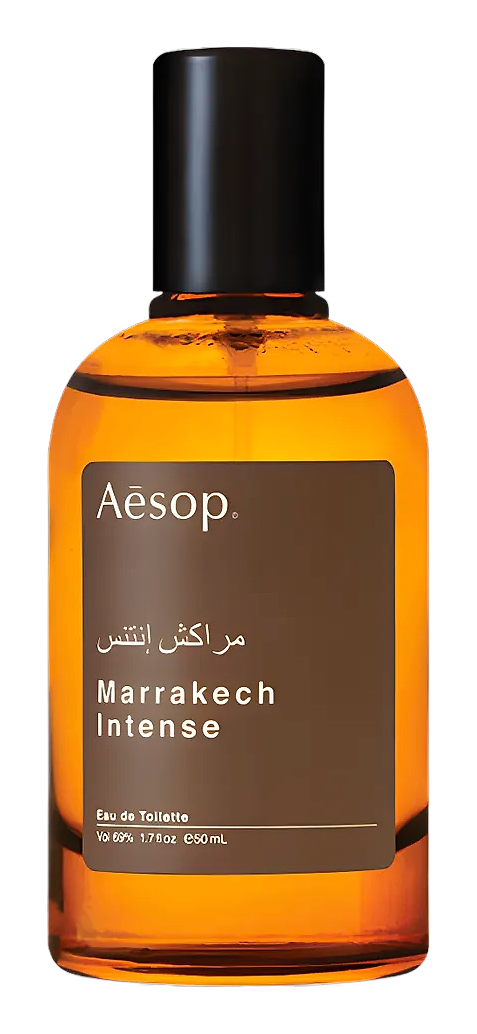
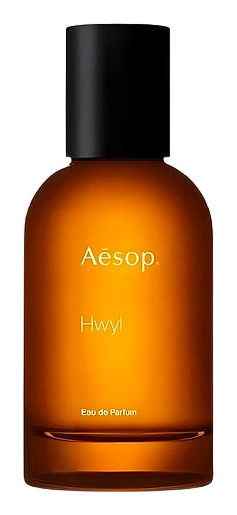
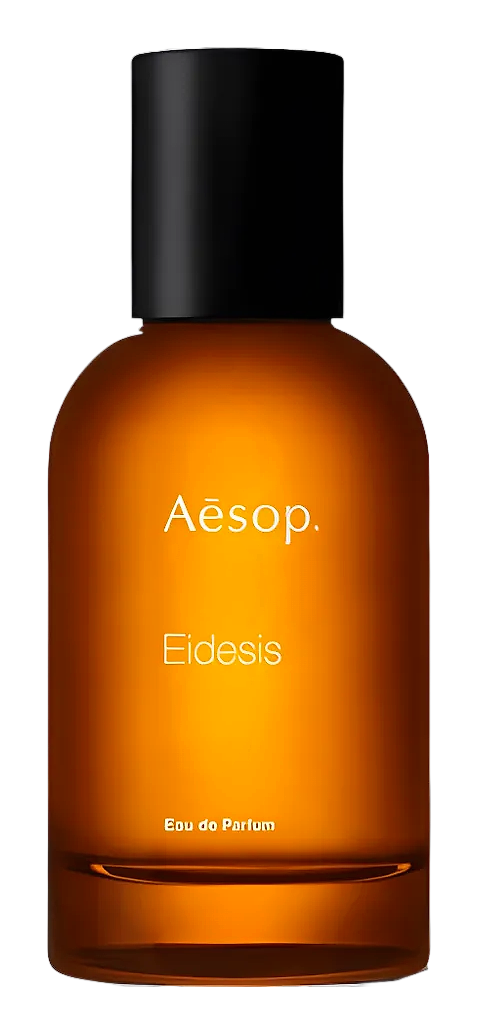
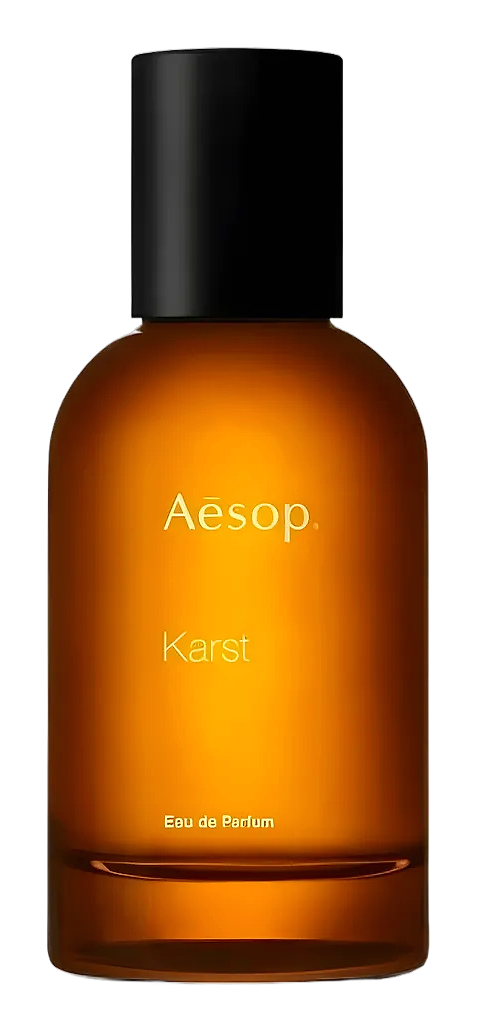
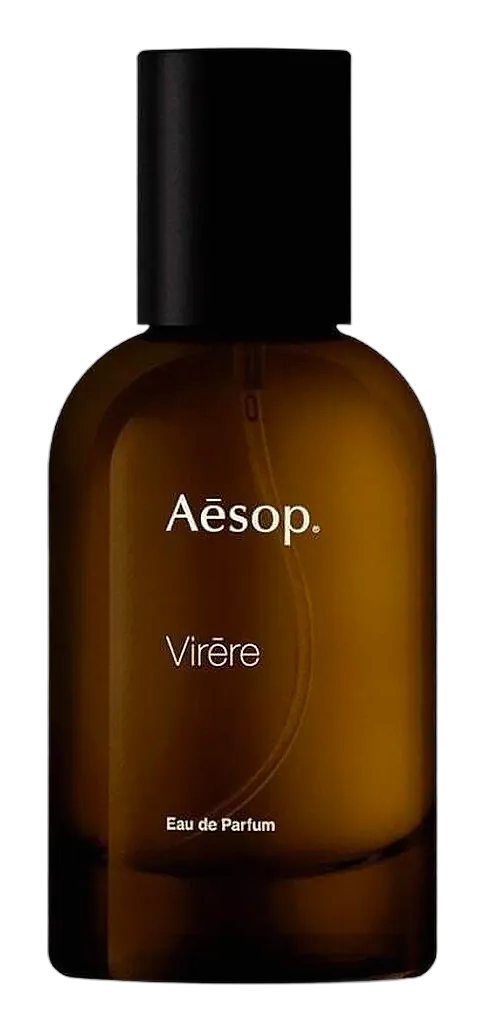
Aesop fragrances are composed in dialogue with the landscape of the body and the world. The brand began developing perfume in the mid-2000s, initially as an extension of its existing use of essential oils, which had always been included in skincare formulations for their functional benefits. Marrakech, launched in 2005, was the first fragrance created purely for olfactory pleasure, and it set the tone for everything that followed: complex, evocative, and rooted in specific geographic and sensory references. The current fragrance collection spans woody, fresh, floral, and opulent families. Notable works include Hwyl, a smoky Japanese-inspired composition; Karst, built around mineral and oceanic notes; Rozu, a study in rosy and vetiver; and Eidesis, which takes its name from the Greek word for idea. More recent releases, including Ouranon, Aurner, Virēre, and Above Us, Steorra, continue the tradition of referencing antiquity, astronomy, and the natural world. Ingredient sourcing follows the same investigative approach applied across Aesop's skincare range. The brand works with botanical and synthetic materials based on evidence of performance and safety. Essential oils, absolutes, and aroma chemicals are selected for both their functional and sensory properties. The formulations aim for longevity and distinctiveness, scents that evolve on the skin rather than announcing and then disappearing. Each fragrance is presented in amber glass with minimal typography, reinforcing the brand's preference for letting the content speak rather than the packaging. The design is intentional in its restraint.
Design Language
The Aesop visual world is defined by restraint, materiality, and a preference for the unexpected. Product packaging favours amber glass, soft-touch surfaces, and clean sans-serif typography in warm neutral tones. The aesthetic deliberately avoids the gilded conventions of luxury beauty, choosing instead to communicate quality through material honesty and geometric simplicity. This extends to the retail environment. Each Aesop store is a unique collaboration with architects, interior designers, and artists, resulting in spaces that respond to their specific location and context. The 2003 St Kilda store, carved out of an underground car park ramp, established the template: work with what exists, honour the building's history, create something worth encountering. Subsequent stores have occupied converted railway archways, heritage-listed buildings, and minimalist new constructions, each treated as a site-specific project rather than a template roll-out. The brand's communications follow the same logic. No advertising, no discount promotions, no celebrity endorsements. Instead, Aesop publishes essays, produces short films, and commissions artwork for its stores. The writing is literary and unhurried. The imagery is atmospheric rather than instructional. This aesthetic coherence across every touchpoint is what makes the brand feel like more than the sum of its products: it feels like a sensibility, a way of being in the world that its customers choose to inhabit.
Philosophy
Aesop has always moved at its own pace. The brand has never advertised, never offered discounts, and never followed fragrance industry conventions in how it presents or sells its products. This is not a strategy so much as a temperament, rooted in the belief that quality and restraint speak louder than marketing. Central to the Aesop approach is the idea that fragrance is not an accessory but an extension of the self. The brand draws on literature, architecture, and philosophy for inspiration rather than seasonal trend cycles. Scents are named after places, astronomical figures, or concepts rather than emotions or demographics. The choice of references is specific and deliberate, designed to intrigue rather than reassure. Sustainability and ethical sourcing are treated as foundational commitments rather than selling points. The brand achieved B Corp certification in 2020 and was re-certified in 2024, recognising its performance across social and environmental dimensions. Aesop investigates widely to source ingredients, plant-based and laboratory-made, using only those with a proven record of safety and efficacy. The philosophy extends to how stores are situated: Aesop seeks to add something of merit to a street, to work with what is already present, rather than impose a uniform presence. What makes the brand distinctive is this refusal to separate product from world. A bottle of fragrance arrives within a context: an architectural space, a carefully written description, a consultant who will talk you through the range without urgency. The purchase is an experience, not a transaction.
Key Milestones
1987
Dennis Paphitis founds the brand in Melbourne, initially as Emeis hair salon, incorporating essential oils into hair products.
2003
First dedicated Aesop store opens in St Kilda, Melbourne, built within a converted underground car park ramp.
2005
Aesop launches its first fragrance, Marrakech, marking the brand's entry into perfumery.
2012
Brazilian cosmetics group Natura & Co acquires a majority stake for approximately $71 million. Paphitis remains in an advisory capacity.
2023
L'Oréal acquires Aesop for approximately $3.7 billion. The brand operates nearly 400 stores across 27 countries.
At a Glance
Brand profile snapshot
Origin
Australia
Founded
1987
Heritage
39
Years active
Collection
11
Fragrances released
Avg Rating
4.1
Community sentiment
Release Rhythm