
Heritage
A house, in its own words
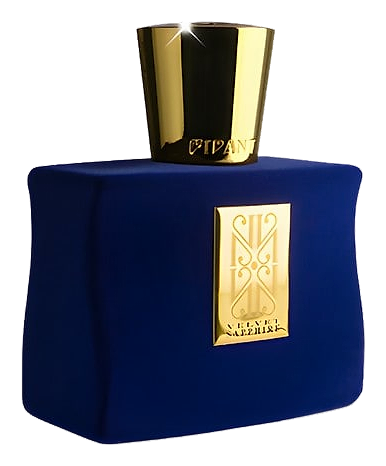
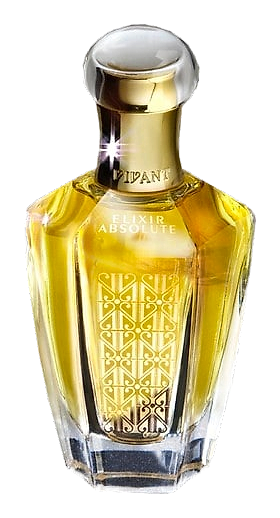
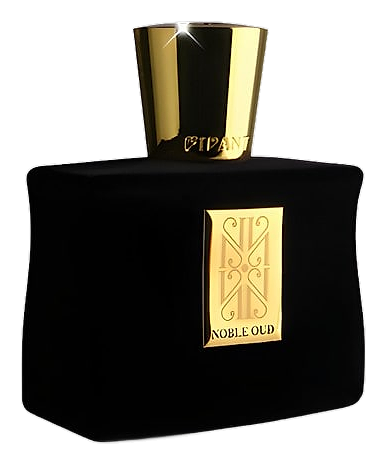
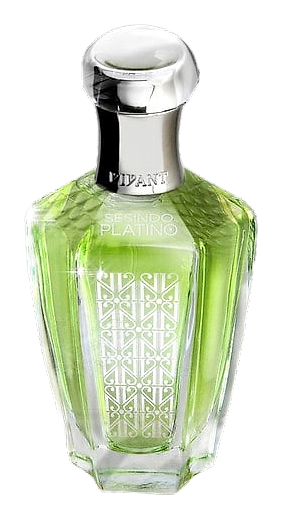
The available research does not provide a reliable founding story for Vivant. It also fails to connect Vivant directly to the historical fragrance houses named in the source material. Houbigant is the only brand with repeated historical claims, including an operating history linked to 1775, but that evidence belongs to La Maison Houbigant and cannot be transferred to Vivant. A search result for Bon Vivant concerns a different premium fragrance collection, not Vivant, while references to House of Brandt, Creed, and Guerlain likewise describe other houses. It would therefore be misleading to construct a lineage for Vivant from these records. What can be said with confidence is narrow: Silloria’s catalogue associates Vivant with five fragrances, Sensido Platino, Velvet Sapphire, Samra, Elixir Absolute, and Noble Oud, each recorded with the year 2016. That shared date points to a defined release moment, but the evidence does not reveal whether the five scents were created simultaneously, released in stages, or compiled during a later catalogue revision. No founder, former name, acquisition, collaboration, or location appears in the supplied material. Vivant’s heritage is thus documented only through the names and dates of its recorded fragrances, leaving the house’s origins open rather than inviting unsupported claims. Vivant’s creative philosophy cannot be reconstructed confidently because none of the research describes its founder, perfumer, fragrance briefs, or stated values. Still, the recorded titles reveal a deliberate vocabulary of mood and texture. “Platino” evokes the visual character of a metal, “Sapphire” suggests a cool, saturated stone, and “Velvet” introduces softness and tactility. Samra brings an Arabic-language word into play, although the research does not confirm its intended meaning in this context. “Elixir Absolute” presents intensity and concentration through its name, while “Noble Oud” points toward an oud-led identity without establishing its composition. These names offer a useful framework for discovery, but a name alone cannot verify ingredients or scent performance. It would be equally speculative to claim that Vivant values opacity, precious materials, Middle Eastern perfumery, or material design, because no independent source corroborates those interpretations. Silloria presents Vivant as a compact, intriguing catalogue in which sensory contrast drives recognition. The house’s most defensible quality is curiosity, expressed through titles that range from mineral brightness to velvet depth and resinous wood. Any broader statement about artistic intent should remain provisional until Vivant supplies verifiable information about its perfumers, inspiration, formulation, and release history.