Heritage
A house, in its own words
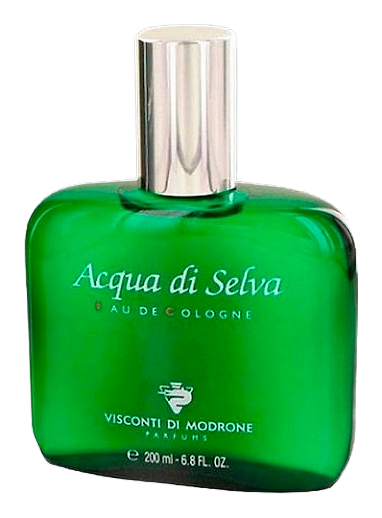
The Visconti di Modrone family represents a collateral branch of the ancient Visconti of Milan, one of Italy's most historically significant noble houses. The family line originated in the 17th century and has continued unbroken through centuries of Italian history, encompassing periods of Austrian rule, unification, and modern republic. Count Giuseppe Visconti di Modrone inherited not only a noble title but also the family's connection to Lombardy's cultural and industrial heritage. During the 1920s, his perfume house, operating under the Gi.vi.emme initials, grew to become one of the largest fragrance manufacturers in Italy. Giuseppe reportedly devoted himself to learning the technical craft of perfumery, studying fragrance structure, olfactory families, and the accords that define scent composition. At the time, perfumers categorized fragrances into distinct families, a framework that shaped how he approached creation. The house's growth during this interwar period coincided with Italy's emergence as a center for luxury goods manufacturing. After World War II, the house released Acqua di Selva in 1949, a fragrance that would define its legacy. The scent's success domestically preceded its international expansion, crossing the Atlantic in the 1950s to reach American consumers seeking authentic Italian grooming fragrances. Count Giuseppe Visconti di Modrone approached perfumery as both an art and a technical discipline. Rather than relying solely on inherited tradition, he committed himself to understanding fragrance construction, studying the relationships between olfactory families and the accords that give scents their character. This methodical approach reflected a broader Italian tradition of combining artisanal craft with systematic knowledge. The house appears to have valued restraint and clarity in its compositions, favoring clean structures that allowed individual notes to register distinctly. Acqua di Selva exemplifies this approach, built around a prominent oakmoss character that anchored the fragrance to the fougère tradition popular for men's grooming scents. The philosophy seems to have prioritized wearability and daily use over dramatic statement, creating fragrances suited to consistent application rather than occasional occasions. This functional elegance, rooted in understanding how scents interact with skin and endure through the day, distinguished the house from more theatrical fragrance makers.