Heritage
A house, in its own words
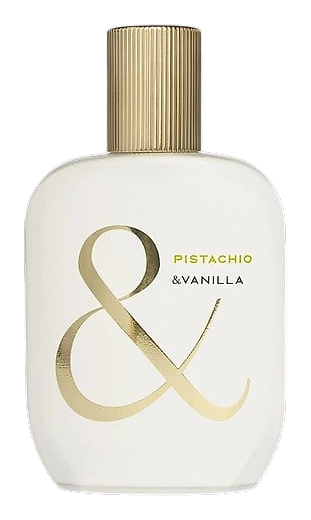
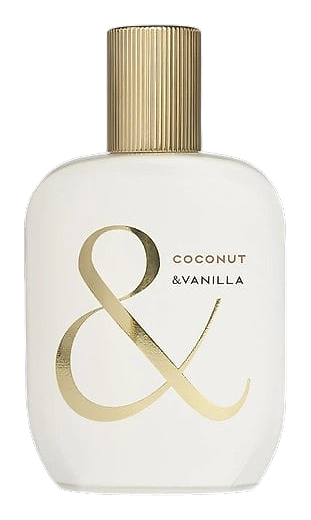
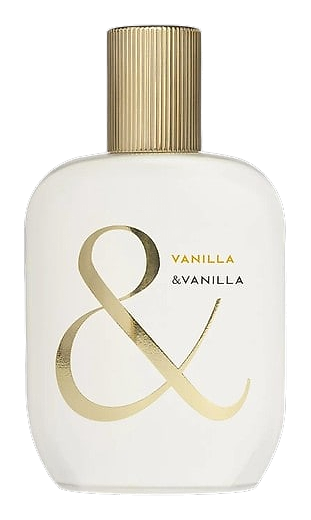
&Vanilla arrived on the fragrance scene in 2026, a relative newcomer in an industry with centuries of accumulated tradition. The broader context in which the brand launches stretches back much further: vanilla itself has a long documented lineage as a perfumery material, first cultivated by the Totonac people in what is now Mexico and later adopted by the Aztecs. The ingredient's modern perfumery chapter is often traced to 1889, when Aimé Guerlain introduced vanillin into Jicky, the first fragrance widely credited with synthesizing the aroma molecule alongside natural extract. That moment marked a turning point, showing that vanilla could anchor a composition rather than simply sweeten it. &Vanilla's debut lands more than a century after that pivotal release, and it joins a contemporary movement of houses drawing inspiration from a single material. The brand does not position itself as a revivalist or a historicist. It operates in the present, with three short years separating its founding from the moment this profile was written. What history the house possesses is still being written, fragrance by fragrance. The guiding idea behind &Vanilla is simplicity taken seriously. Rather than layering dozens of notes to create an impression of depth, the brand works in the opposite direction: one material, one intention. This approach treats the wearer as an active participant, inviting them to notice the shifts between top, heart, and base of a single ingredient rather than parsing a crowded pyramid. There is an implicit trust in the audience, a refusal to over-explain or over-decorate. In a market saturated with maximalist formulations and narrative-heavy launches, &Vanilla's minimalism reads as a stance, one that says a material does not need to be wrapped in complexity to matter. The debut trio, Vanilla, Pistachio, and Coconut, reads almost like a tasting flight, a way to compare how different raw materials behave in isolation under the same creative hand.