


Heritage
A house, in its own words
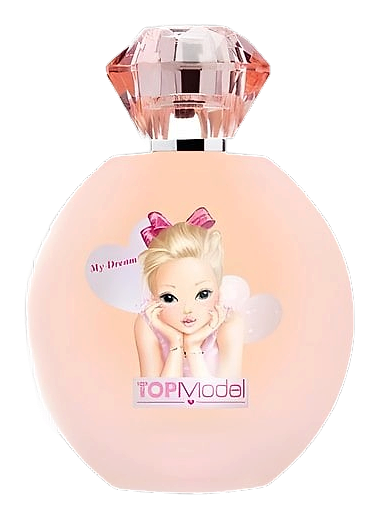
TOPModel's fragrance line emerged in the early 2010s as an extension of the broader TOPModel entertainment and lifestyle brand, which built its identity around modeling, fashion, and youth empowerment content. The perfume arm launched with three releases in 2013: My Dream, So Girly, and Let's Dance, establishing a near-simultaneous debut that suggested a deliberate strategy to capture multiple moods and audiences at once. By 2015, the catalog had expanded with Christie's Perfume, named after a character within the TOPModel universe, signaling the brand's tendency to draw its fragrance names from its own fictional and aspirational storytelling rather than from abstract or abstract-luxury vocabulary. The brand's origins are rooted in the wider TOPModel media property, which has historically combined reality television, magazines, and branded consumer products across European markets. The fragrance sub-brand follows a pattern common in youth-targeted lifestyle houses, where scent becomes another medium for reinforcing the lifestyle narrative already established through other channels. This positions TOPModel's perfumes less as standalone artistic statements and more as olfactory extensions of a larger imaginative world aimed primarily at tween and teen audiences, as well as collectors who grew up alongside the brand. Because TOPModel is a sub-brand within a larger entertainment property rather than an independent perfume house, its heritage is closely tied to the parent brand's publishing and broadcast activity rather than to a specific perfumer or atelier tradition. The 2013 cluster of launches and the 2015 follow-up represent the main documented milestones for the fragrance line within the available sources. What distinguishes TOPModel's fragrance philosophy is its grounding in narrative rather than in olfactory heritage. The names alone, My Dream, So Girly, Let's Dance, and Christie's Perfume, read like chapter titles, each suggesting an emotional scenario or character state rather than describing an accord. This storytelling-first approach treats scent as a costume or accessory, something a young wearer can put on to inhabit a particular version of themselves for a day. The brand's creative vision appears centered on democratizing fragrance for younger consumers who are often priced out of the traditional prestige perfume market. Rather than positioning its products in the language of oud, iris, or sillage, TOPModel communicates in the idiom of its audience: play, fantasy, friendship, performance. The decision to release three fragrances simultaneously in 2013 rather than staggering launches reflects a catalog-building philosophy, one that prioritizes giving shoppers a curated wardrobe of moods over building anticipation around a single signature scent. Values-wise, TOPModel occupies a position of aspirational accessibility. Its fragrances are designed to be wearable, recognizable, and affordable entry points into the broader world of perfume. The brand's approach to perfumery is therefore less about artistic disruption and more about meeting young consumers where they already are, inside a media ecosystem where modeling, self-expression, and identity experimentation are the central themes.