





Heritage
A house, in its own words
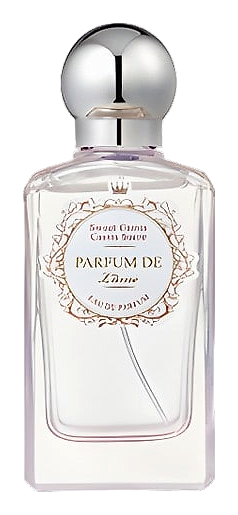
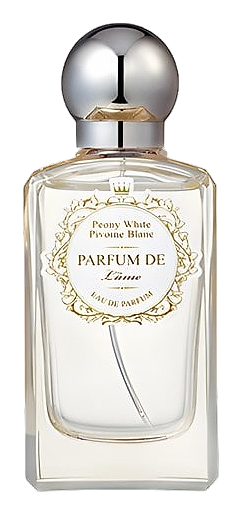
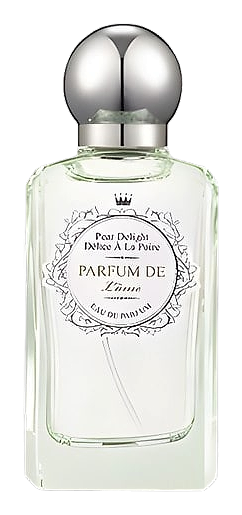
The Face Shop opened its first store in 2003 in Seoul, South Korea, founded by the LG Household & Health Care division of the LG Group. The concept was unusual for its time: a beauty retailer built around the idea of sourcing raw materials directly from natural farms rather than relying solely on laboratory synthesis. The brand grew quickly across Asia, expanding into markets including China, Thailand, Indonesia, the Philippines, and Singapore, with stores often carrying visual motifs of greenhouses, herb gardens, and wooden shelving to underscore the nature-first positioning. A partnership with The Body Shop was announced in 2010, when Natura & Co (then controlling The Body Shop) acquired a stake and the two retailers shared certain sourcing principles. By the mid-2010s The Face Shop had grown to more than 2,600 stores across roughly 35 countries, according to publicly reported figures at the time. LG Household & Health Care divested part of its stake in 2015 and later sold its remaining shares, with the brand continuing to operate under new ownership while maintaining its focus on botanically inspired beauty. At its core, The Face Shop positions nature, rather than luxury rarity, as the starting point of beauty. The brand has consistently framed its ingredient stories around 'Farm to Beauty,' a phrase used in its sourcing communications, arguing that plant-based raw materials grown in specific Korean regions carry distinct qualities that synthetic substitutes cannot replicate. In perfumery this translates into light, uncomplicated fragrances designed for daily layering rather than statement-making. The Parfum de L'âme line, launched in 2019, leans into single-note or simplified compositions: ripe pear, cassis, and peony are presented as straightforward emotional hooks rather than complex accords. The overall creative instinct is inclusive and casual, treating fragrance as an extension of skincare and personal care rather than as an elite category. This philosophy distinguishes the house from traditional perfumeries, and it deliberately keeps the olfactory range accessible to younger consumers building their first fragrance wardrobe.