





Heritage
A house, in its own words
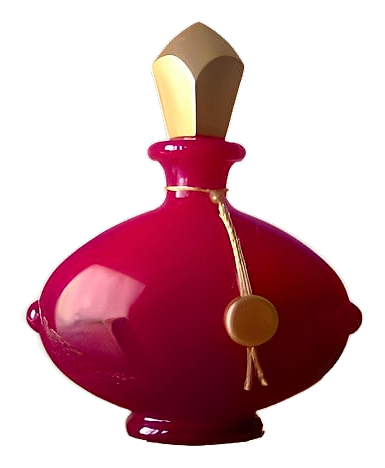
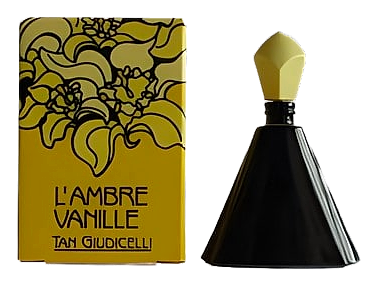
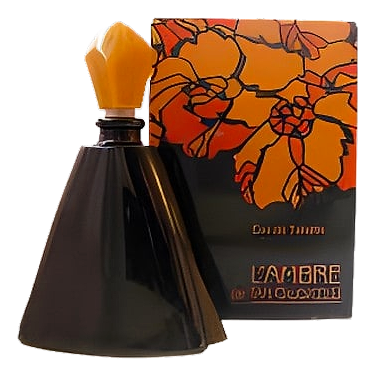
Tan Giudicelli began his career in fashion during the late 1960s, when the French Riviera became a center of resort wear innovation. In late 1967, he was hired to lead design at MicMac, a boutique line based in Saint-Tropez. The company had been founded in 1965 by Gunter, a millionaire playboy who built MicMac into a destination for stylish resort clothing. This position gave Giudicelli exposure to the aesthetic preferences of an affluent, travel-oriented clientele that would later inform his own label. Giudicelli eventually departed to establish his eponymous fashion house in 1984, creating ready-to-wear that reflected his interest in global textures and warm color palettes. The fashion line served as a foundation for his entry into fragrance, allowing him to extend his aesthetic into new sensory territories. His fragrance releases spanned nearly two decades, from the late 1980s through the early 2000s, with Annam representing a late-career synthesis of his design philosophy. The brand maintained a boutique presence rather than pursuing wide distribution, which contributed to its cult following among fragrance collectors. Giudicelli's approach to fragrance drew from his experiences designing clothing for a discerning clientele. Rather than chasing trends, he created scents that functioned as extensions of personal style, meant to be discovered rather than promoted. His fragrances often featured warm, enveloping bases including amber and vanilla, suggesting a preference for comfort and intimacy over dramatic first impressions. The naming of scents like Annam, referencing a region in Vietnam, indicated an interest in cross-cultural storytelling that aligned with his travels and the influences visible in his fashion work. This narrative dimension gave his fragrances an extra layer of meaning for those attuned to their references. Giudicelli reportedly believed that fragrance should feel personal rather than universal, a philosophy consistent with the custom-tailored approach that characterized his clothing designs. His work resisted easy categorization, blending elements that might appeal to different preferences rather than committing to a single aesthetic.