
Heritage
A house, in its own words
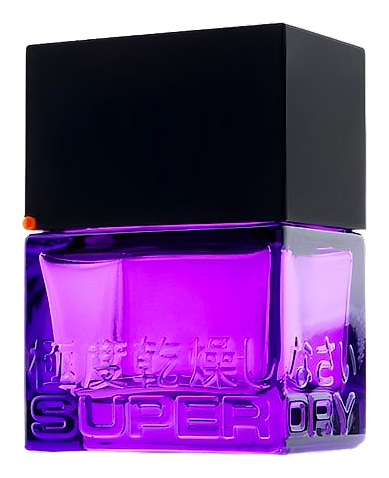
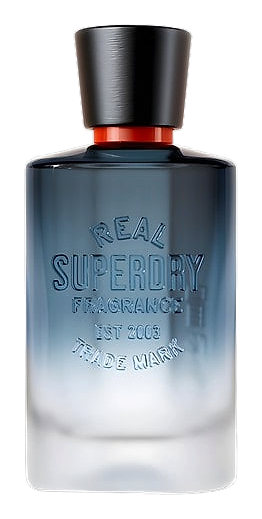
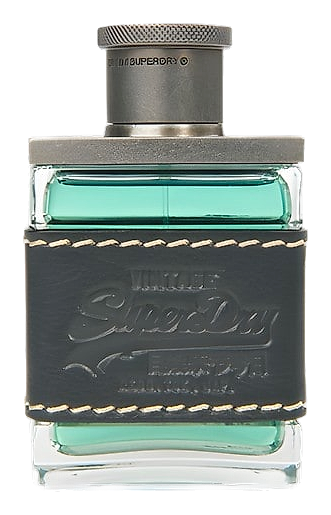
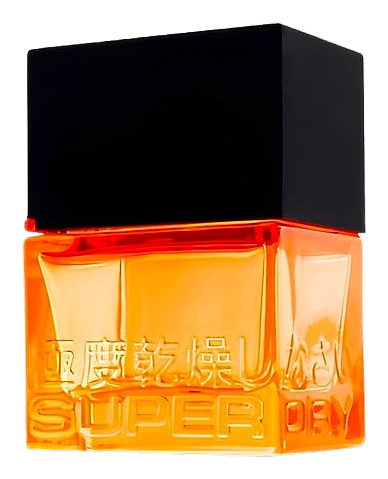
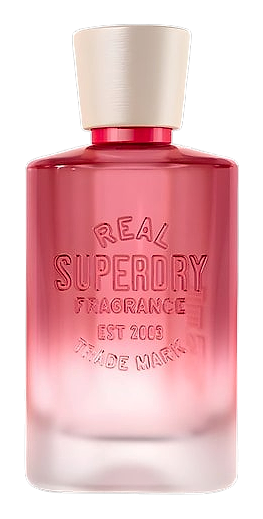
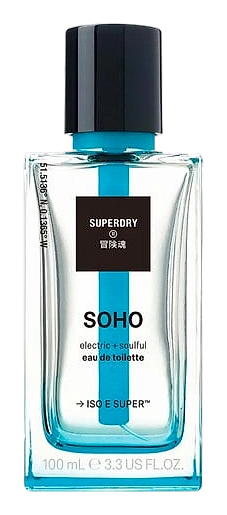
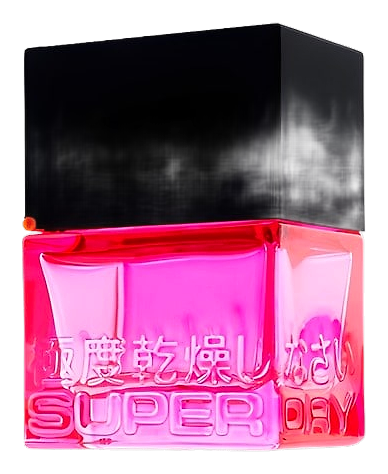
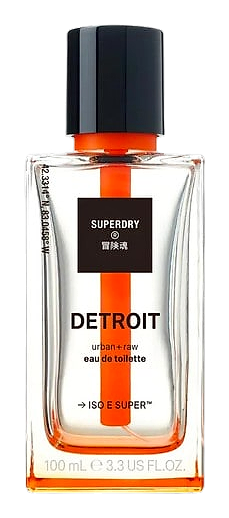
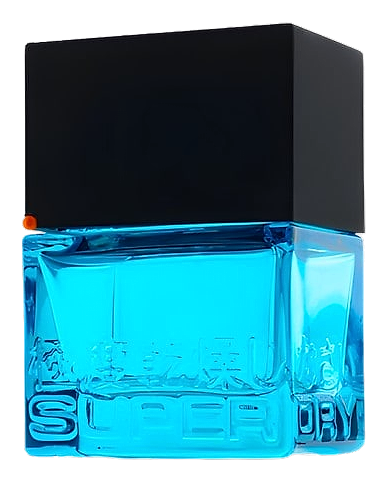
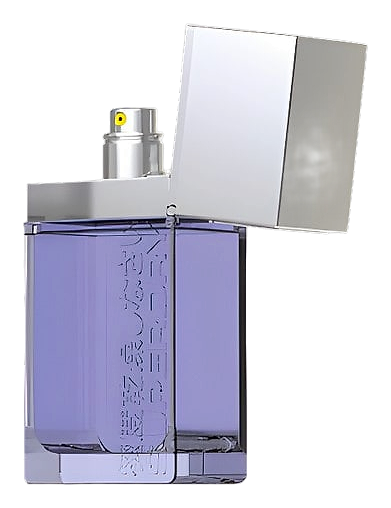
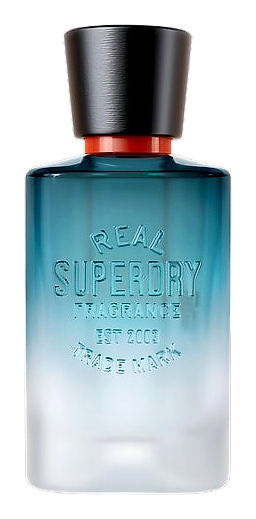
The roots of Superdry trace back to 1985 when Julian Dunkerton opened a chain of stores called Cult Clothing in the UK. In 2003 Dunkerton partnered with designer James Holder to launch a new label that fused British tailoring, American vintage, and Japanese-inspired graphics. The name "Superdry" was inspired by the Japanese beer brand "Super Dry," reflecting the founders’ fascination with Japanese pop culture. After a rapid rise through the 2000s, the label opened its first flagship store in Covent Garden in 2008 and expanded globally, reaching over 500 stores by 2015. The company entered the fragrance market in 2011 with Superdry Dry Oil, a scent that echoed the brand’s sporty aesthetic. Subsequent releases – Blue (2012), the Neon trio (2013), Steel (2011) – reinforced the strategy of translating clothing motifs into olfactory form. In 2021 the brand introduced Kyoto, a more nuanced composition that referenced Japanese craftsmanship, and in 2024‑2025 it rolled out the Real Superdry series for men and women, signalling a continued commitment to scent as an extension of its lifestyle narrative. Throughout its history Superdry has maintained a focus on accessible design, collaborative creativity and a global youth culture that values both heritage and modernity. Superdry’s creative vision rests on a dialogue between British street style and Japanese visual language. The brand states that it seeks to "bring together the best of both worlds" and this principle guides its approach to perfumery as well as apparel. Rather than chasing fleeting trends, the fragrance team looks for enduring motifs – crisp marine notes that recall coastal surf culture, warm woods that echo traditional Japanese architecture, and vivid colour accents that mirror the label’s graphic tees. Sustainability has become a growing concern; recent releases cite responsibly sourced sandalwood and recycled packaging. The brand also emphasizes inclusivity, offering scents for both men and women that avoid gendered marketing language. By treating fragrance as another layer of personal expression, Superdry encourages wearers to craft a cohesive identity that is simultaneously familiar and adventurous.