
Heritage
A house, in its own words
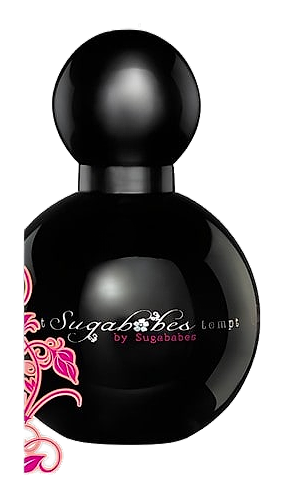
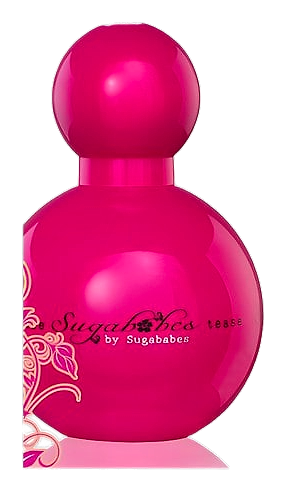
The Sugababes were formed in 1998, originally put together by Ron Tom, the manager behind All Saints, and Sarah Stennett. The group went through multiple lineup changes over the following decade and became one of the most recognizable British girl bands of the early 2000s, accumulating a run of chart hits that included UK number-one singles. By 2010, the group was looking to extend its commercial footprint beyond recorded music. In August of that year, news broke that the Sugababes were preparing to launch their own range of fragrances. The project was developed in collaboration with Icon Partnership, a licensing company that has worked with music artists on consumer product extensions. The resulting line, comprising three fragrances named Tempt, Tease, and Touch, debuted exclusively through a UK retailer later that year. Member Amelle Berrabah was quoted in press coverage at the time of the launch, framing the fragrances as expressions of independence and modern femininity. The venture represents a brief but distinct chapter in the group's broader commercial history, which has spanned music, television appearances, and brand partnerships. The creative vision behind the Sugababes fragrance line centers on translating the personality of the band into scent. Group member Amelle Berrabah described the motivation behind the launch as a desire to create fragrances embodying the modern woman, one who drives her own life and makes her own choices. The three names chosen for the collection, Tempt, Tease, and Touch, suggest a thematic approach built around playfulness, flirtation, and intimacy, each fragrance seemingly intended to capture a different facet of feminine character. The line was positioned for a young consumer rather than the fine fragrance market, leaning into the band's pop culture visibility as its primary selling point. Marketing language described the scents as spirited and uplifting, aimed at a generation of women who identified with the group's confident, independent public image. The overall approach treats fragrance as personal expression and mood-setting, with each bottle tied to a recognizable emotional cue rather than to a specific olfactory tradition.