







Heritage
A house, in its own words
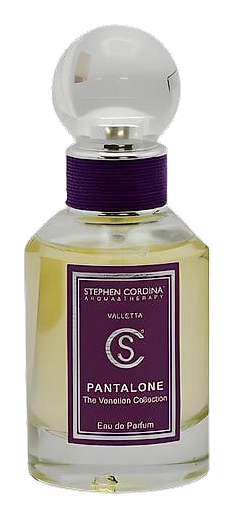
Stephen Cordina’s path into fragrance combines work in cosmetic science with a sustained study of essential oils, aromatic materials, and the emotional role of scent. He is reported to be a member of the Société Française des Parfumeurs and to have spent more than a decade developing fragrance compositions before establishing his own name in Malta. A previous chapter took shape as the independent home-fragrance brand My Fox and Wolf, which Cordina started in Spain in 2018. That project began as a personal exploration of scented home products and gradually developed into a business, giving him practical experience in translating aromatic ideas into products for everyday interiors. Returning to Malta, he built Stephen Cordina Aroma & Therapy around the island’s botanical character and its complex cultural inheritance. Malta’s Mediterranean light, native aromatic plants, and the memory of Phoenician, Punic, and Egyptian connections provide an unusually rich reference point for a perfumer. His fragrances repeatedly return to the Punic period, using names such as Pantalone and Pharaonic to place contemporary compositions against the island’s ancient scented history. The brand later opened a perfume atelier in Valletta, extending that focus from making fragrances to presenting and explaining the craft at its point of creation. The atelier is housed in the historic former Ursuline convent, a setting associated with the tradition of orange blossom water. This location gives the brand a direct relationship with one of Malta’s best-known aromatic legacies. Across his work, Cordina treats perfumery as a meeting point between scientific formulation, natural materials, local memory, and the emotional atmosphere of a room. His progression from cosmetic science to independent home fragrance and then to a Maltese fragrance house has made the brand’s history less a conventional expansion story than a gradual assembly of complementary skills and references. Cordina’s creative vision begins with the idea that fragrance should be experienced, not simply announced. He approaches the development of a perfume as the construction of an atmosphere, combining essential oils and other aromatic materials until the composition feels complete, balanced, and capable of altering the mood of its wearer or surroundings. Many of his creations are conceived as unisex, reflecting a belief that scent operates through memory and sensation rather than prescribed categories of gender. The brand’s cultural reference is particularly important to this approach. Malta is treated not as a decorative backdrop but as a living archive, with local flora, historic perfumes, and the island’s Phoenician and Punic past supplying distinct narrative layers. Fragrances such as Astarte and Osiris connect the personal act of wearing perfume to older Mediterranean ideas of scent, ritual, and adornment. This interest in the Punic period appears to be a continuing thread in Cordina’s work, giving the house a coherent identity built around place rather than trends alone. At the same time, the expansion into diffusers, room sprays, candles, and wellness products reflects a broader view of fragrance as a form of everyday care. Scent becomes part of the rhythm of the home, linked to rest, focus, comfort, and ritual. The use of natural materials is central to that philosophy, but the approach is not presented as rustic or simplistic. Cordina’s cosmetic-science background suggests a deliberate, technically informed process, while the aromatherapy dimension frames the finished composition as something that can support a desired state of mind. The result is a practice that joins olfactory composition with therapeutic intent, regional storytelling, and an accessible idea of luxury rooted in the quality of experience rather than overt display.