










Heritage
A house, in its own words
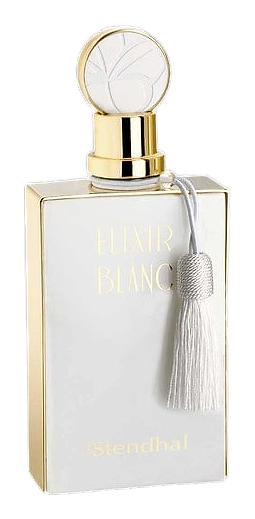
Roger Thirion established Stendhal Paris in 1946, drawing on his background as a chemist to create skincare formulations alongside a growing interest in fragrance. His passion for literature reportedly influenced the house's naming and aesthetic direction, drawing from the legacy of French author Stendhal (born Henri-Marie Beyle). The chemist's connections within artistic circles, particularly with actresses of the era, helped establish the brand's presence in post-war France. The house operated primarily as a cosmetics and skincare brand for much of its history, developing treatments known for skin compatibility before expanding into fine fragrance. This dual expertise in formulation and cosmetic science distinguished Stendhal from perfumery houses that focused solely on scent. The brand remained independent until becoming part of Groupe Bogart, a cosmetics and fragrance conglomerate that has overseen the house's expansion into its current position. The fragrance arm of Stendhal emerged relatively late in the house's history, with the first perfume Elixir Noir arriving in 2009 under Bogart's ownership. This marked a new chapter in which the house applied its cosmetic expertise to olfactory creation, emphasizing skin-friendly compositions drawn from its treatment heritage. The perfume line has since developed around several signature themes, including the Divin collection and the Elixir series, with releases spanning from 2009 to 2015. Stendhal approaches perfumery through the lens of its cosmetic heritage, treating fragrance as an extension of personal care rather than a purely artistic exercise. The house emphasizes formulations developed with skin compatibility in mind, reflecting Roger Thirion's original commitment to chemistry and product safety. This scientific foundation shapes how perfumers work within the brand, prioritizing wearing comfort alongside olfactory complexity. The storytelling tradition mentioned in brand communications suggests an interest in narrative fragrance concepts, though the house has not positioned itself within avant-garde or niche perfumery movements. Instead, Stendhal occupies a space between accessible luxury and artisanal craft, drawing on French perfumery tradition while maintaining the scientific discipline of a cosmetics manufacturer. The collaboration with perfumers like Cécile Zarokian indicates a willingness to engage with contemporary independent perfumery voices while remaining within a commercial framework. Literature and cultural reference inform the house's creative direction, particularly the connection to Stendhal the author known for psychological precision and Parisian observation. This intellectual heritage encourages thematic complexity in fragrance concepts, though the house balances literary aspiration with wearability.