
Heritage
A house, in its own words
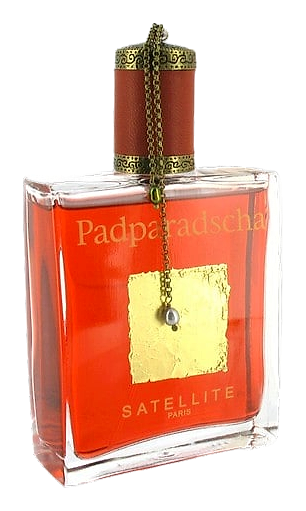
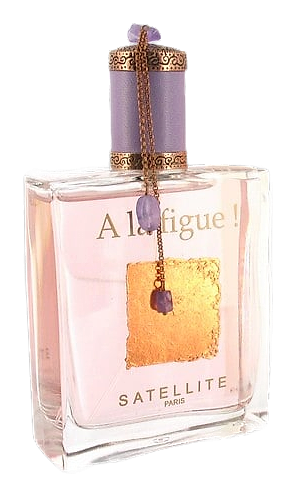
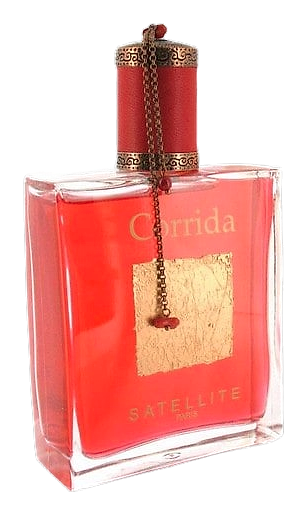
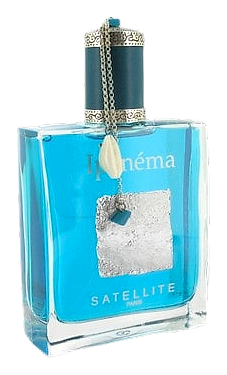
In 1987, ethnologist Sandrine Dulan embarked on a journey with her friend Daniel Ouaki. Their travels took them across continents, introducing Dulan to traditional crafting techniques, aromatic materials, and artisans whose knowledge had been passed through generations. She was not seeking fragrance at first. The jewelry came first, each piece constructed around rare materials and the stories embedded in them. Ouaki handled the commercial side while Dulan pursued the research and design. Over the following decade, the jewelry house established its aesthetic vocabulary: pieces that referenced travel, archaeology, and cultural exchange. Fragrance arrived as a natural extension. Dulan began capturing the olfactory dimensions of places she had visited and materials she had encountered. The first Satellite fragrance reportedly launched in the early 2000s, though precise dates for individual releases prove difficult to confirm across sources. By the mid-2000s, the house had developed a small but devoted following among collectors who appreciated its unhurried approach. No aggressive marketing accompanied these releases. Instead, bottles appeared at specialty retailers in Paris and later in other cities, sold primarily to those who sought them out. The house has never disclosed sales figures or industry rankings. Its longevity across more than three decades speaks to a business model built on discretion rather than expansion. Dulan continues to lead the creative direction, reportedly maintaining the same travel-based methodology that characterized the brand's founding years. Dulan approaches fragrance as an ethnologist approaches fieldwork. She documents. She observes. She returns with materials and stories and allows them to translate slowly into another form. The laboratory becomes a continuation of the journey rather than a departure from it. Each Satellite fragrance begins as an experience before it becomes a formula. The brand rejects the pressure of seasonal launches or market timing. A fragrance exists when it is ready. This approach means the catalog remains small by industry standards. At any given time, perhaps a dozen expressions represent the house, with occasional limited editions expanding the universe briefly before disappearing. The philosophy extends to material sourcing. Dulan seeks ingredients with provenance and narrative weight. A fig note might reference a specific tree she encountered during travels. A rose might trace to a particular garden. The brand does not market these origins as luxury signifiers but as factual connections between scent and experience. Dulan has spoken in interviews about the importance of smell as a carrier of memory, arguing that fragrance operates differently from visual or tactile art because it enters the body directly. This belief shapes every formulation. The house values emotional resonance over technical spectacle. Reviewers frequently note that Satellite fragrances reward patience and close attention. They are not perfumes designed to announce themselves across a room. They invite proximity and reward sustained wear.