

Heritage
A house, in its own words
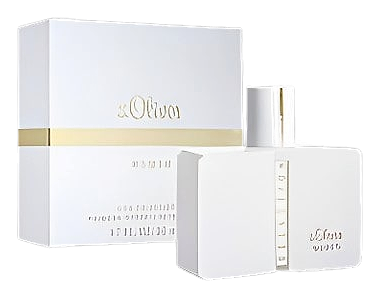
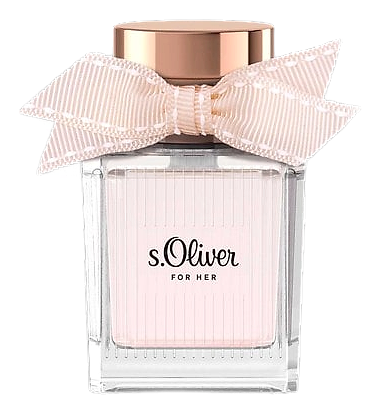
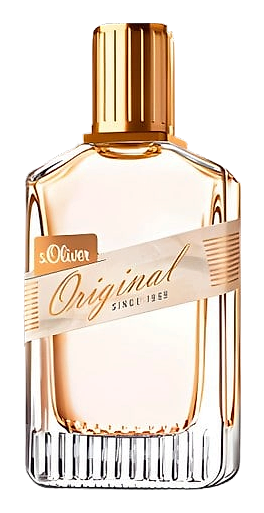
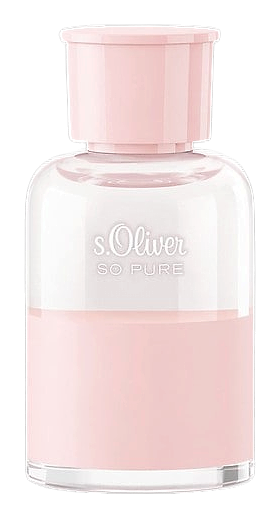
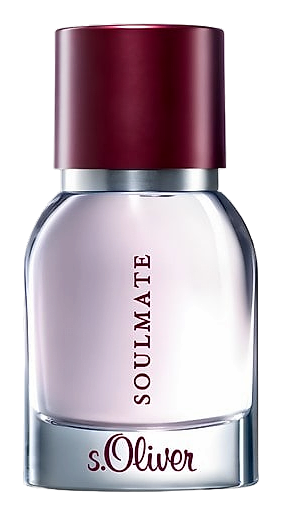
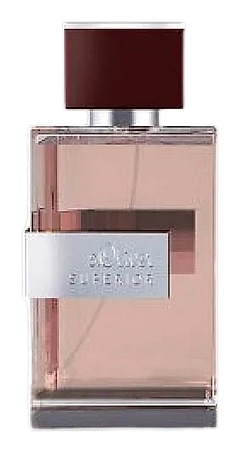
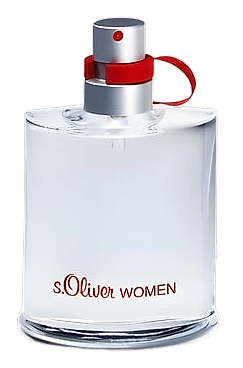
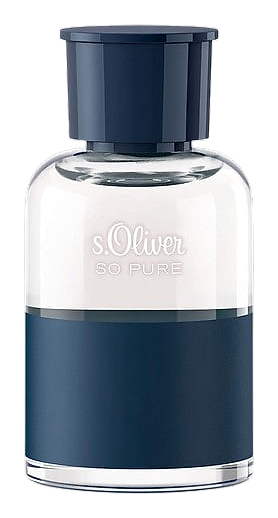
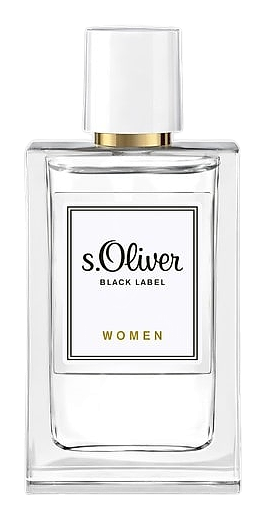
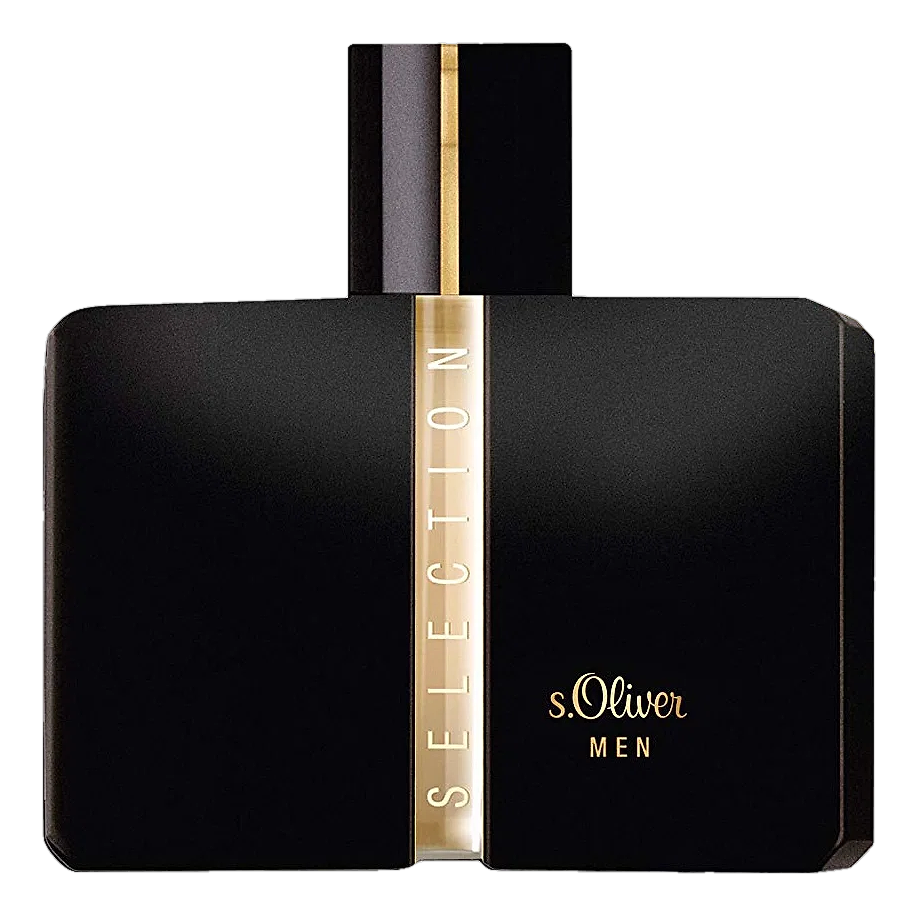
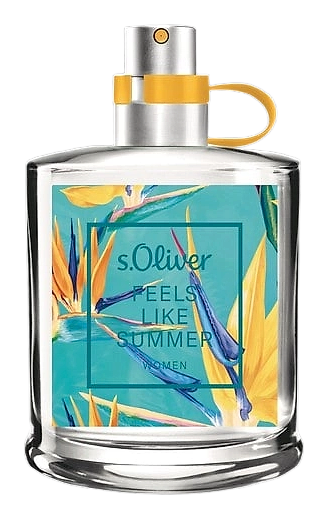
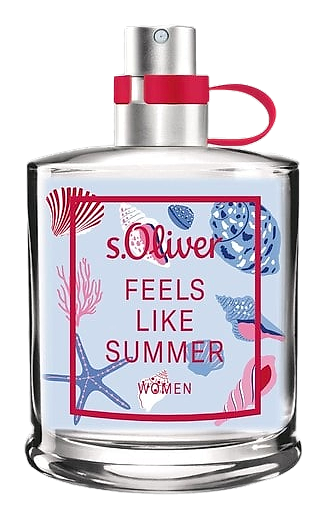
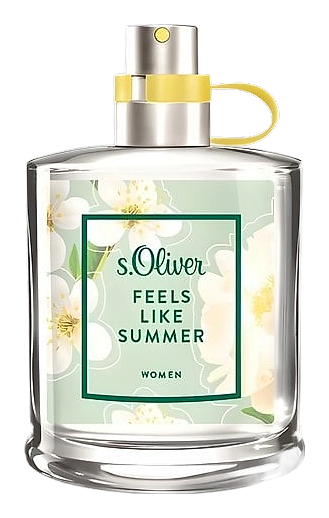
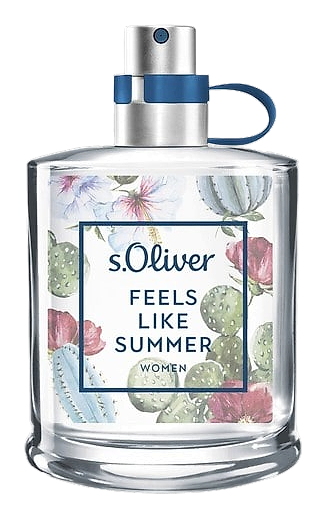
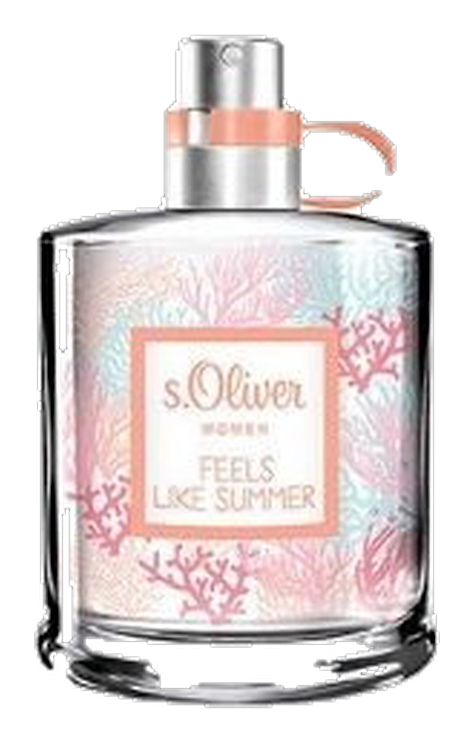
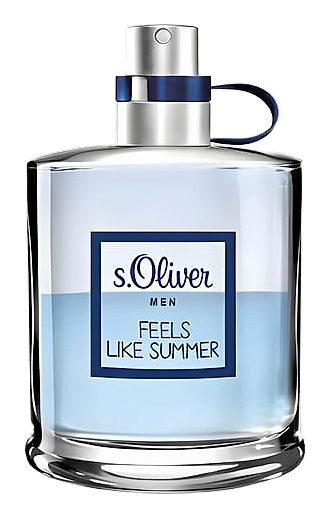
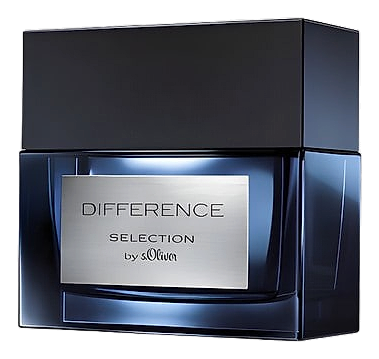
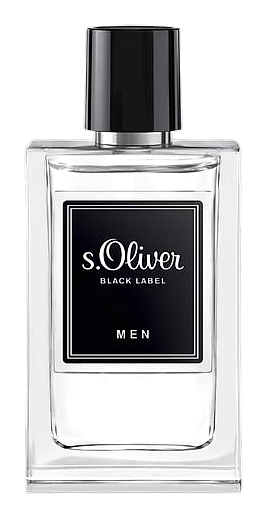
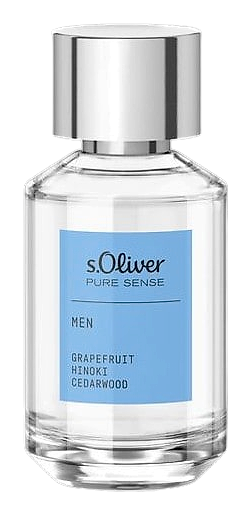
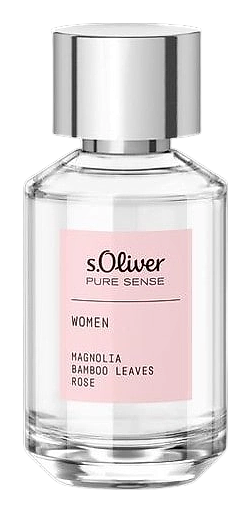
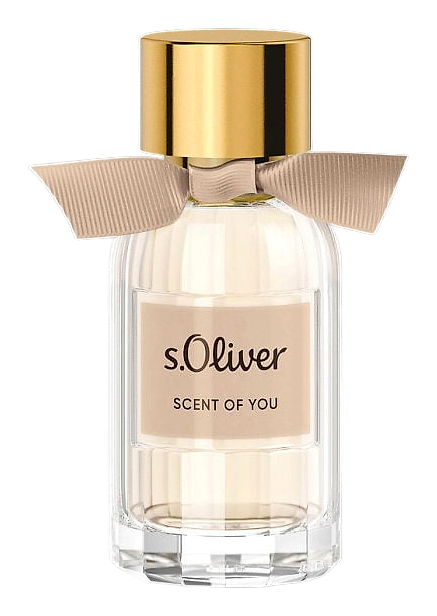
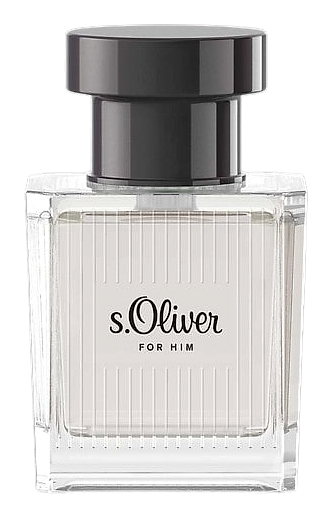
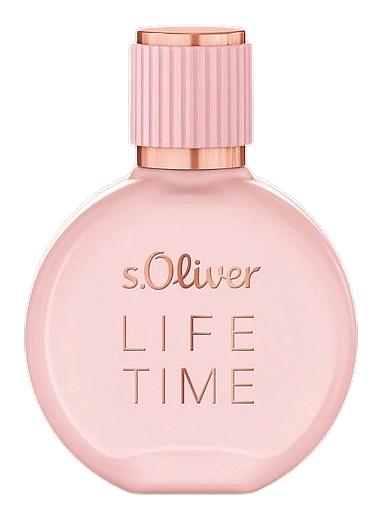
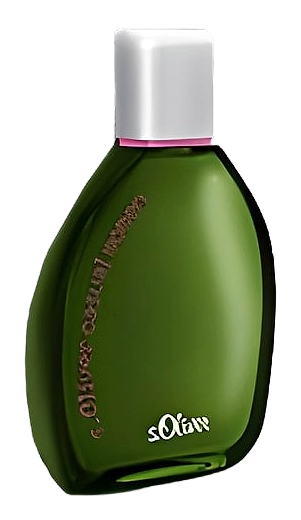
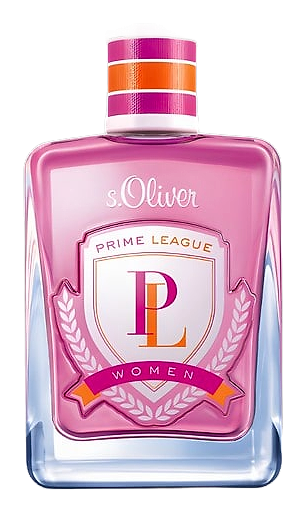
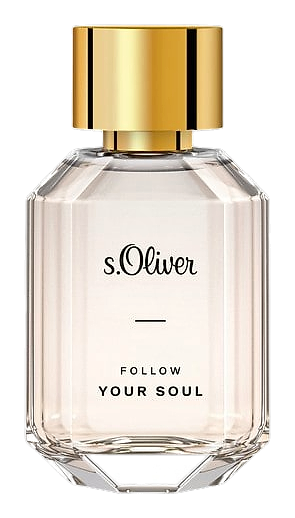
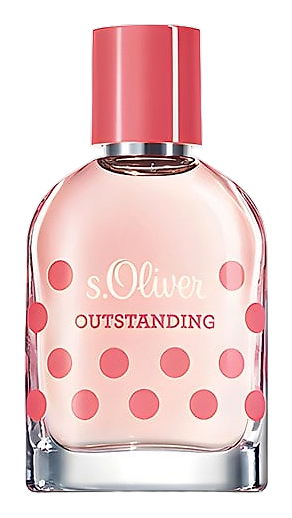
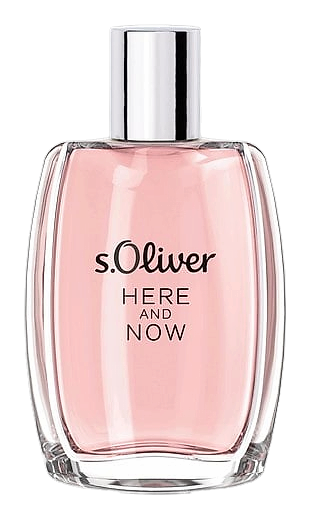
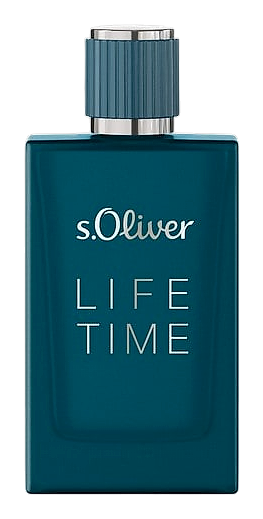
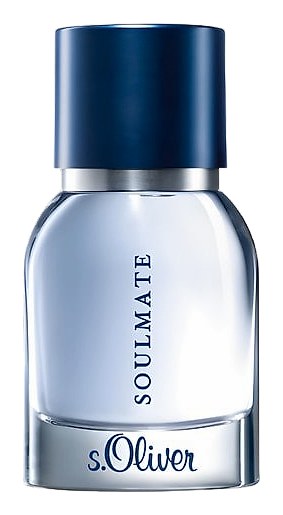
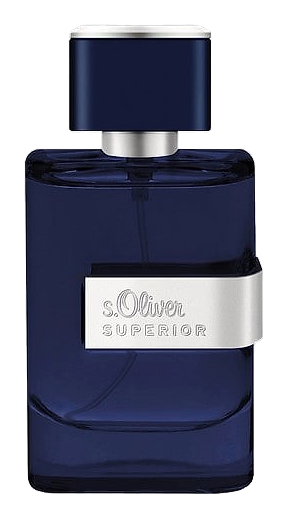
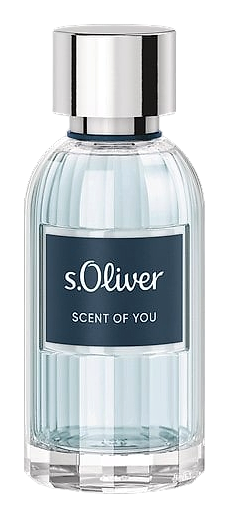
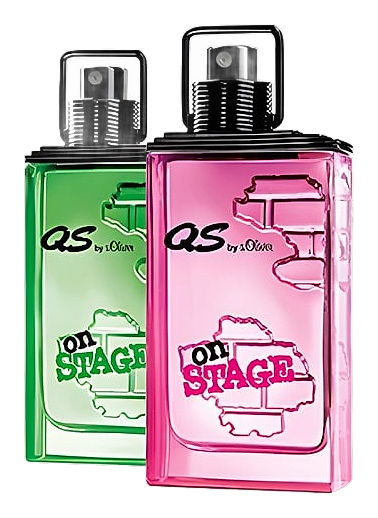
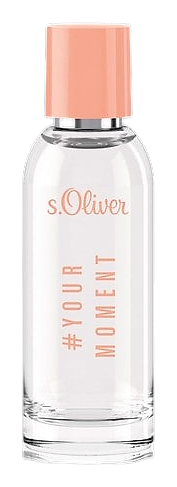
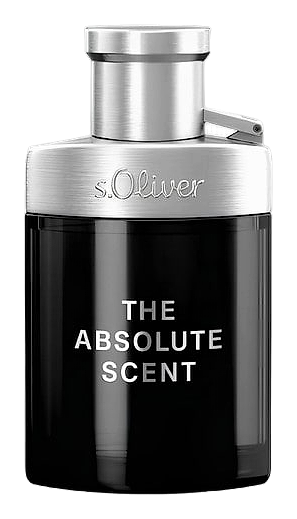
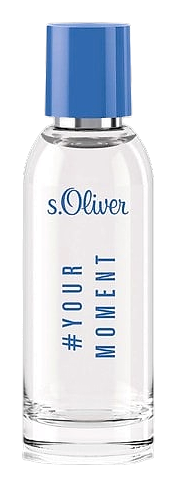
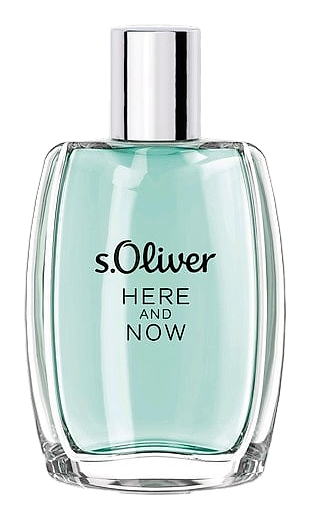
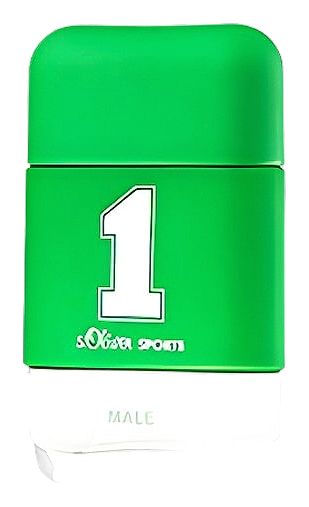
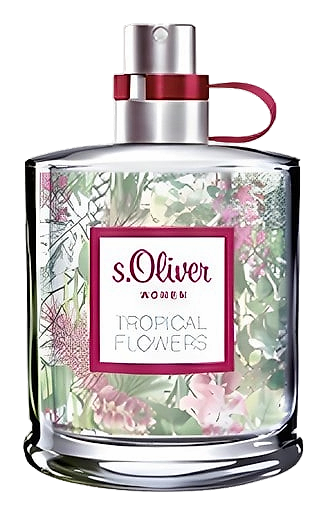
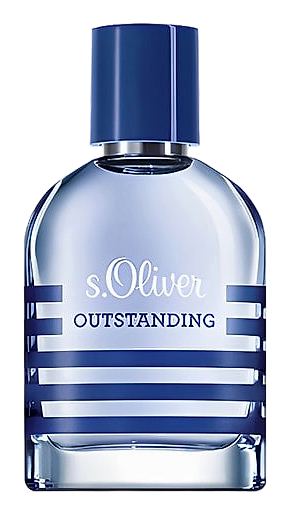
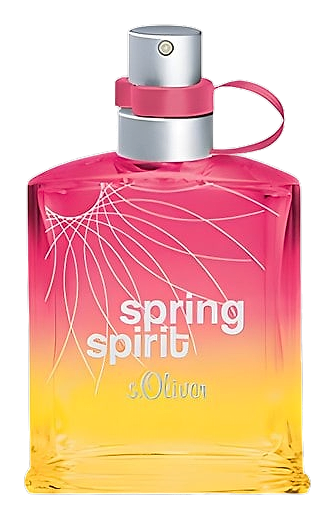
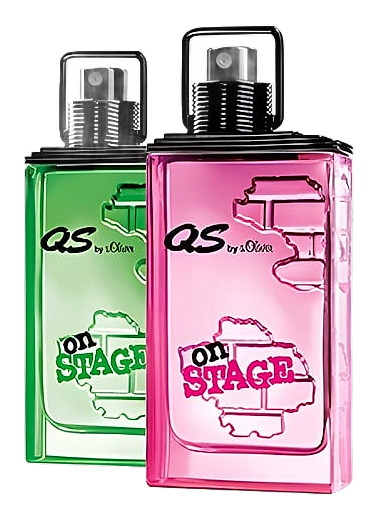
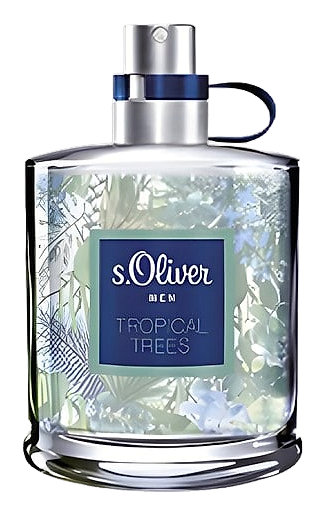
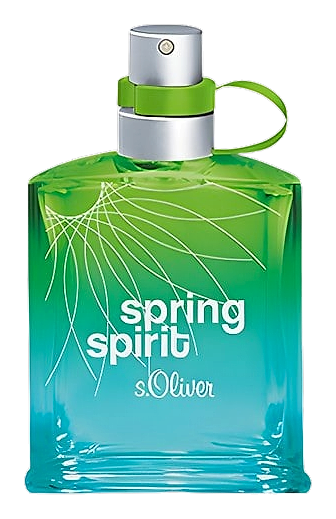
The company traces its roots to 1969 when Bernd Freier opened a small boutique in Würzburg, Bavaria, under the name "Sir Oliver". Freier chose the name as a nod to the literary character Oliver Twist, a symbol of youthful ambition. Within a decade the shop expanded into a chain of clothing stores, and by the early 1990s s.Oliver had entered the German stock market as a public company. The brand’s rapid growth was driven by a business model that combined affordable fashion with frequent collection updates, a strategy that resonated with a broad consumer base across Europe. In 2006 s.Oliver entered the fragrance market with the launch of Sport 1 for men and women, marking the first dedicated perfume line under the s.Oliver name. The following year the brand released Love, a floral‑citrus composition aimed at a younger female audience, and Love Man, a fresh woody scent for men. These releases signaled a shift toward a more diversified product portfolio that extended beyond apparel. The 2010s saw a series of seasonal releases such as Feels Like Summer (2017 for men, 2021 for women) and the QS line in 2009, each designed to capture a specific mood or moment. In 2017 s.Oliver introduced the Black Label fragrance duo, a floral‑fruit women’s scent and a fresh‑woody men’s scent, supported by a high‑visibility advertising campaign featuring models Jules Raynal and Caroline Lossberg. Throughout its history the company has remained headquartered in Rottendorf, Germany, and continues to operate under the umbrella of the s.Oliver Group, one of Europe’s leading fashion and lifestyle enterprises. s.Oliver’s creative direction rests on the idea that style should be adaptable, not static. The brand emphasizes seasonal relevance, encouraging designers to translate current cultural moments into wearable forms. In perfumery this translates to scent stories that echo everyday experiences – a summer breeze, a city night, a spontaneous road trip. The company states that its fragrances are meant to be layered, allowing wearers to personalize the final impression. Sustainability has become a growing concern; recent statements from the group highlight a commitment to responsibly sourced raw materials and reduced packaging waste. The fragrance development process involves collaboration between in‑house marketing teams and external perfumers, with an emphasis on clarity of concept before any ingredient is selected. This disciplined approach aims to keep the scent line aligned with the broader brand narrative of accessible, contemporary fashion.