Heritage
A house, in its own words
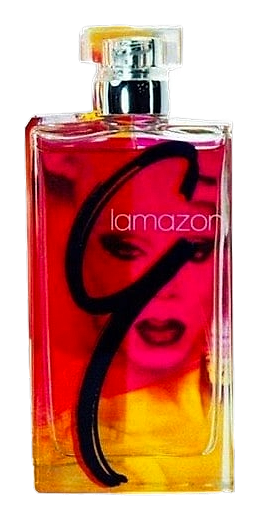
RuPaul Andre Charles, widely known simply as RuPaul, built a career across Atlanta and New York clubs before breaking into mainstream American entertainment in the early 1990s. The single that introduced him to a wider audience, Supermodel (You Better Work) in 1992, came via Tommy Boy Records and set the template for a career that would move fluidly between club culture, music, film, and eventually television. By 2009, the premiere of RuPaul's Drag Race on Logo gave the performer a new kind of platform, one that, over the following decade, transformed drag from a subcultural art form into a widely recognized pop-cultural reference point. That visibility laid the groundwork for a 2013 fragrance launch under his own name. The timing placed the perfume within a broader wave of celebrity-driven beauty lines, though RuPaul's entry remained notably restrained, with Glamazon standing as the sole recorded release in independent fragrance encyclopedias. Because it shows an alumnus of club culture bridging into a televised mainstream, the brand's short history reads less like a heritage narrative and more like a single deliberate addition to a personal empire. The creative vision behind the RuPaul fragrance is rooted in the performer's long-running message of self-acceptance and confidence, themes that have run through his music, books, and television work for decades. Rather than positioning the scent within a traditional perfumery philosophy, the brand treats fragrance as an extension of personal presentation, an accessory to identity rather than a technical exercise in composition. The name Glamazon, a blend of glamour and amazon, signals a sensibility aimed at women who see beauty as power and self-expression as a form of strength. This aligns with the messaging of RuPaul's Drag Race, where contestants are evaluated as much on charisma and nerve as on polish. The fragrance functions as a merchandise extension of a public persona built on stage presence, visibility, and the idea that transformation, whether through drag, makeup, or scent, is an act of authorship. In that sense, the perfume operates less as an olfactory statement and more as a wearable confirmation of a worldview.