






Heritage
A house, in its own words
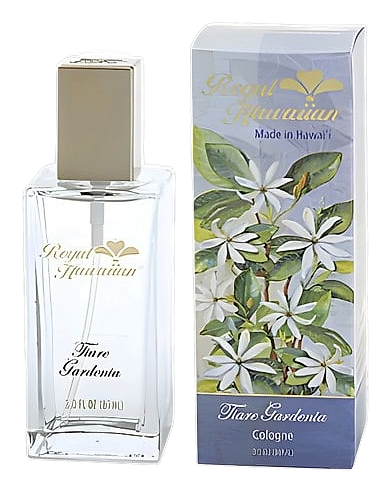
The story begins not with perfume but with photography and chemistry. Robert Wickliffe Miller, a photographer and trained chemist, founded Hula-Lei Products in 1935 after being captivated by the way Hawaiʻi's flowers carried scent in the warm Pacific air. Working from Honolulu, Miller began bottling fragrances built around the islands' signature blossoms at a time when locally produced perfume was almost unheard of in the mainland market. Miller named the line Royal Hawaiian, a deliberate nod to the 1927 opening of The Royal Hawaiian hotel on Waikīkī, the so-called Pink Palace of the Pacific, and to the broader cultural memory of the Hawaiian monarchy. Princess Kaʻiulani, who championed the cultivation of Jasminum sambac, known locally as pikake, had died in 1899, and the flower she had popularized had already become a symbol of Hawaiian refinement. Miller's formulas leaned into that lineage, translating lei flowers into wearable form. The brand endured through the post-war decades as Hawaiʻi's tourism industry boomed and visitors sought keepsakes that smelled like the islands. By the early twenty-first century, the line had expanded to include fragrances for both women and men, and it was later acquired by Smell Better Hawaii, a Honolulu-based company whose stated mission is to evoke the spirit of Hawaiʻi through scent. The Royal Hawaiian catalog now lists eleven fragrances, including standbys like Pikake, Plumeria, Gardenia, Tuberose, and the Wicked Wahine collection. Royal Hawaiian's creative vision is grounded in the belief that Hawaiʻi already possesses a complete perfumery, one that existed long before European contact. The islands' traditional lei culture treated fragrance as a daily, wearable practice, layering maile, pikake, plumeria, and tuberose garlands for ceremony, celebration, and ordinary adornment. The brand treats that inheritance as its primary creative brief. Rather than chasing fleeting olfactory trends, the house builds its compositions around specific, identifiable botanicals. Pikake remains the centerpiece. Tiare gardenia, plumeria, and tuberose each anchor their own dedicated scents. The result is a catalog that reads more like a curated flower garden than a fashion-driven lineup, and that prioritizes recognition and emotional resonance over novelty. There is also a strong sense of place in how the brand talks about its work. Fragrances are framed as miniature ambassadors of the islands, meant to summon the warmth, humidity, and salt-tinged breeze of a Waikīkī evening. That grounding in geography, and in the cultural weight of Hawaiian flowers, gives the line a coherence that purely commercial fragrance houses often lack.