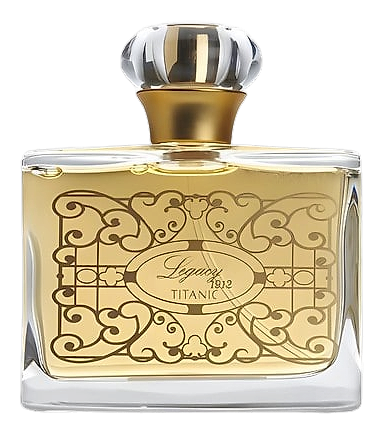
Heritage
A house, in its own words
The RMS Titanic departed Southampton on April 10, 1912, carrying among its first-class passengers Adolphe Saalfeld, a German-born perfumer with ambitions to establish his fragrance business in New York. Saalfeld carried with him a leather satchel containing dozens of perfume samples, formulas he had carefully developed and intended to present to American buyers. When the ship struck an iceberg four days later, Saalfeld evacuated in the haste of the disaster, leaving his precious cargo behind. His vials descended with the ship to the Atlantic floor, where they remained sealed in darkness for nearly nine decades. In 2001, marine archaeologists exploring the debris field recovered 62 intact glass vials, their contents remarkably preserved. Researchers at the Smithsonian Institution and perfumers who analyzed the recovered scents discovered that Saalfeld had formulated sophisticated blends incorporating rose, jasmine, and bergamot, typical of high-end Edwardian perfumery. The story of these vials transformed Saalfeld from a largely unknown perfumer into a figure of historical intrigue. His journey represented the hopes of countless immigrants seeking opportunity in America, and his abandoned satchel became a poignant artifact of the human cost of that tragedy. The fragrances now bearing the RMS Titanic name draw inspiration from this remarkable survival, honoring both the craftsmanship of early 20th-century perfumery and the memorial function of preserving history through scent. The RMS Titanic fragrance philosophy centers on the intersection of memory, loss, and beauty. Every scent in the collection acknowledges the duality of its inspiration: the sophisticated elegance of Edwardian perfumery meets the solemnity of maritime tragedy. The brand operates from the understanding that fragrance possesses a unique capacity to preserve and evoke personal history, much as Saalfeld's recovered vials held intact the sensory record of his ambitions. The creative approach treats the Titanic story not as mere marketing material but as a genuine artistic heritage, drawing upon documented formulas and fragrance practices from the early 1900s. The philosophy acknowledges that replication of the original scents proved impossible, as seawater and time had altered the original compositions, but rather than treating this as limitation, the brand frames it as permission to reinterpret. Each fragrance becomes a contemporary conversation with a historical moment, honoring what was while creating something new. The brand values authenticity in storytelling, grounding every scent narrative in documented historical fact rather than embellishment. This commitment to truthful heritage reflects the brand's broader belief that meaningful fragrance must carry genuine meaning, not manufactured nostalgia.