
Heritage
A house, in its own words
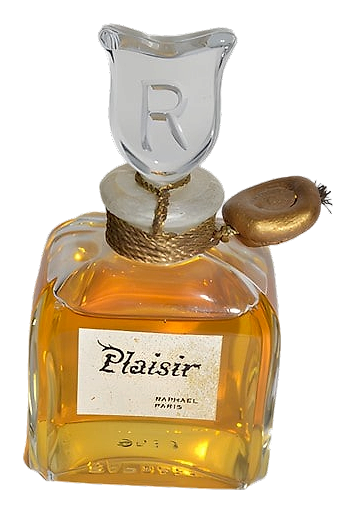
The house of Raphael emerged during a transformative period in French perfumery. Its two documented fragrance releases, Replique in 1944 and Plaisir in 1956, place the house within a generation of perfumers responding to changing tastes in post-war Europe. The choice of the name Raphael itself suggests deliberate cultural referencing, drawing on associations with the Renaissance master whose work defined artistic achievement in the 16th century. While the specific founders and their biographies remain largely undocumented in available sources, the house appears to have operated within the traditional Frenchnose perfumery framework of the era. The 1944 release coincided with one of the most challenging periods in European history, yet fragrance creation continued as both an artistic and commercial pursuit. By 1956, when Plaisir arrived, the industry had begun its post-war expansion. The house's decision to focus on two singular releases rather than a broader collection suggests either deliberate restraint or, perhaps, the loss of documentation through time. Raphael's heritage exists as a documented yet incomplete chapter in perfumery history, with the two named fragrances serving as primary evidence of its existence and aesthetic leanings. The philosophy behind Raphael, as inferred from its documented output, appears rooted in restraint and intentionality. Rather than pursuing volume or market saturation, the house seems to have operated on the principle that fewer, more carefully considered releases carry greater meaning. The name selection demonstrates awareness of perfumery's connection to broader cultural currents, particularly the tradition of naming creations after figures of artistic significance. Replique suggests an engagement with ideas of representation and interpretation, possibly exploring how a fragrance might echo or reinterpret something beyond itself. Plaisir, meaning pleasure, positions the second release as an explicit embrace of sensory delight for its own sake. This apparent duality between intellectual concept and hedonistic enjoyment indicates a house comfortable holding multiple aesthetic positions. The sparse documentation, while frustrating for historians, paradoxically reinforces an impression of selectivity. A house releasing only two major fragrances over twelve years communicates a philosophy of sufficiency over expansion, quality over quantity, and lasting impression over fleeting trend.