

Heritage
A house, in its own words
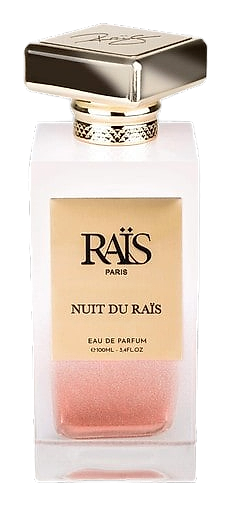
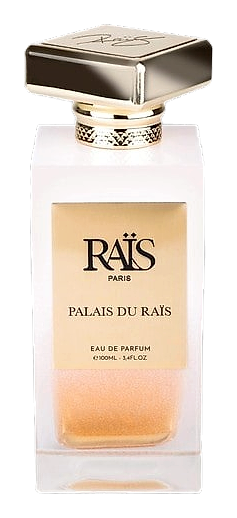
The House of Raïs Paris traces its origins to 2021 when Ramzi Leslous, born and raised in France, established the independent fragrance house. As both founder and creative director, Leslous brought a distinct perspective to the competitive fragrance market, choosing the path of independence rather than aligning with established perfume houses or luxury conglomerates. The founding of Raïs represented a personal creative venture, with Leslous apparently seeking to build a house that reflected his individual aesthetic sensibilities without the commercial pressures that often shape larger fragrance brands. The early output of the house demonstrated ambitious scope, with multiple fragrance releases in the inaugural year. Nuit Du Raïs, Palais Du Raïs, and Voyage Du Raïs all arrived in 2021, suggesting a house that entered the market with a clear artistic vision and the production capability to realize multiple distinct scent concepts simultaneously. This initial collection established the house's approach of presenting fragrances as chapters within a broader olfactory narrative, each title evoking a sense of place or experience. The subsequent release of Desert in 2026 indicated the house's continued activity and evolution, expanding its repertoire into new sensory territory. As an independent house, Raïs operates without the backing of major fragrance groups, which has allowed the brand to maintain creative autonomy but also requires direct engagement with production, distribution, and the challenges facing small fragrance houses in a consolidated industry. Raïs approaches perfumery as a means of capturing and distilling sensory experiences into wearable form. The house names its fragrances after evocative destinations and moments rather than abstract olfactory categories, suggesting a philosophy that prioritizes emotional resonance over technical classification. Each fragrance title functions as a portal to a particular atmosphere or memory, inviting the wearer to project their own associations onto the scent. The independent structure of Raïs appears central to its creative philosophy, enabling direct accountability between the creative director and the final product. Without the mediation of corporate stakeholders or the demands of mass market appeal, the house can pursue more singular artistic directions. This autonomy also means that Raïs must navigate the challenges of visibility and distribution that face many independent perfumers, competing for attention against brands with far greater marketing resources. The philosophy appears to embrace this position of outsider status, channeling it into a distinctive voice that does not attempt to please all audiences but instead speaks clearly to those who connect with its vision. The house's approach to fragrance naming and presentation suggests an interest in narrative and suggestion rather than explicit declaration, leaving room for interpretation and personal connection.