
Heritage
A house, in its own words
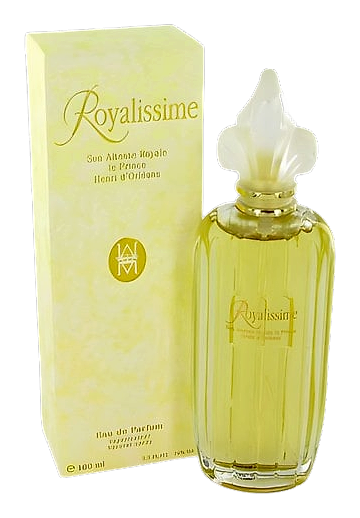
The origins of Prince Henri d'Orléans as a fragrance house trace to the early twentieth century, with the brand reportedly established around 1900 by a member of the Orléans royal lineage. The Orléans family represents one of the most storied branches of European royalty, with deep roots in French history and connections to multiple European dynasties through centuries of marriage alliances and political developments. While documentation of the brand's founding details remains limited in publicly accessible sources, the aristocratic patronage suggested by the name indicates an origin rooted in noble circles rather than commercial perfumery beginnings. The decision to launch a fragrance line under the prince's name reflects a tradition common among European aristocracy, where distinguished families lent their identities to luxury product lines. The house appears to have maintained a consistent presence in classical perfumery throughout the twentieth century, with Lys Bleu joining the portfolio in 1980, suggesting sustained creative output despite the relatively quiet profile of the brand compared to larger houses with more extensive marketing histories. The creative approach of Prince Henri d'Orléans reportedly emphasizes restraint and refinement, qualities that align with the measured aesthetics traditionally associated with aristocratic taste. Rather than chasing contemporary trends or sensationalist compositions, the house appears to favor time-tested formulas and harmonious blending that prioritize elegance over novelty. The fragrance Royalissima exemplifies this philosophy through its structured composition, while Lys Bleu demonstrates an appreciation for delicate floral nuances. The brand's philosophy seems rooted in the belief that true luxury requires no announcement, that sophistication communicates through subtlety and quality rather than boldness. This approach positions the house as an option for discerning collectors who value heritage and craftsmanship over flashy marketing campaigns. The aristocratic connection informs a perspective on perfumery as an art form worthy of the same refinement applied to other cultural pursuits favored by cultured society.