
Heritage
A house, in its own words
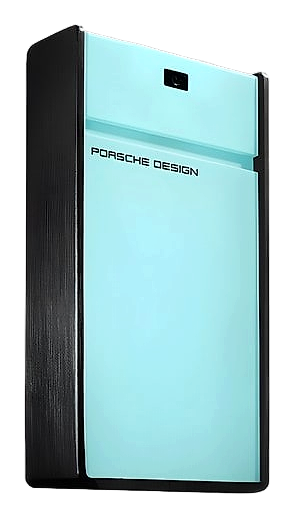
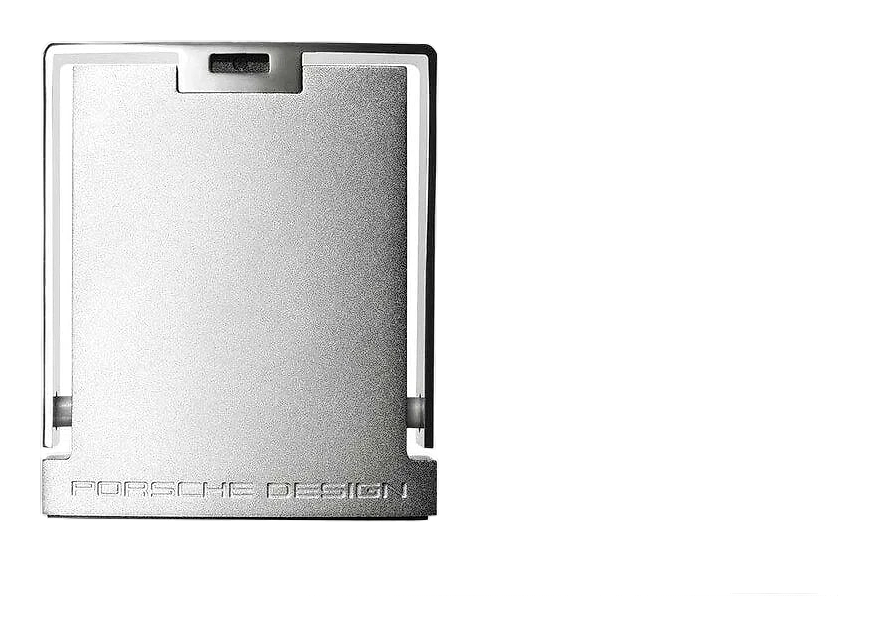
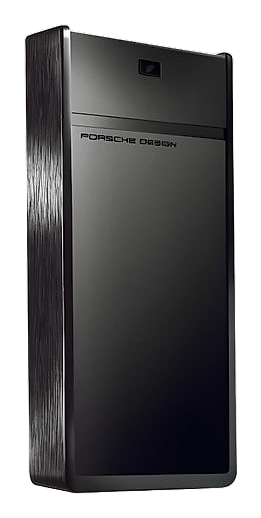
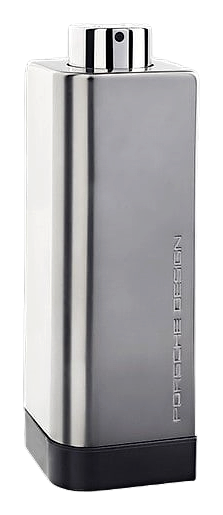
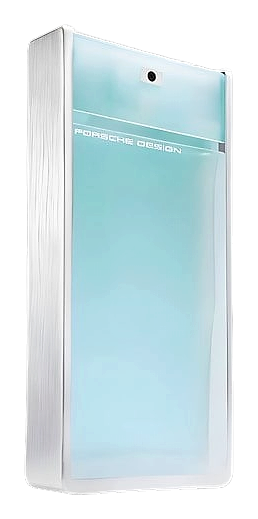
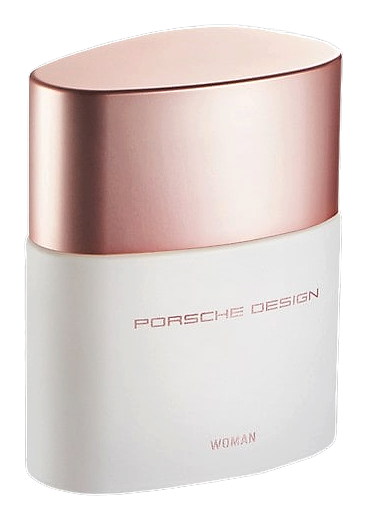
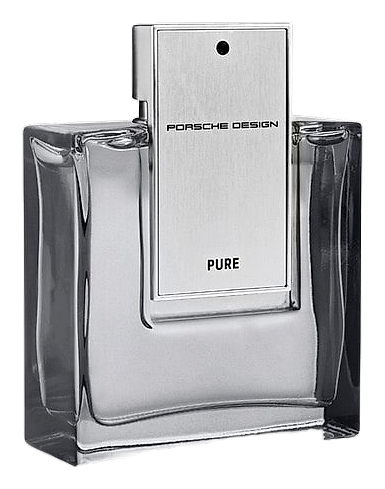
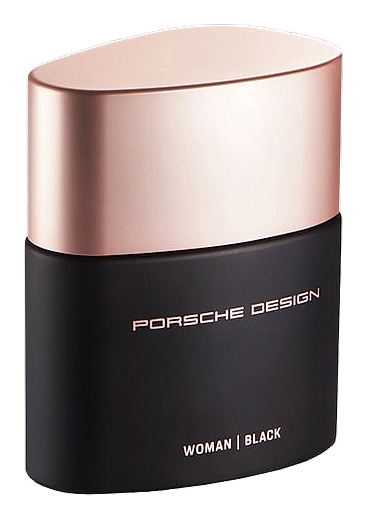
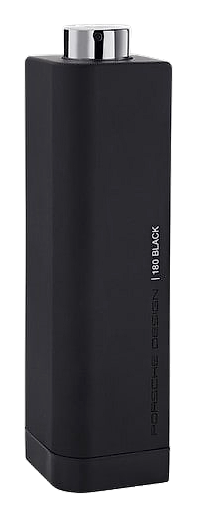
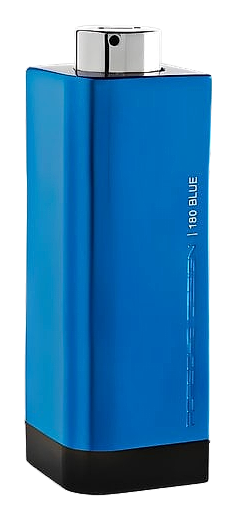
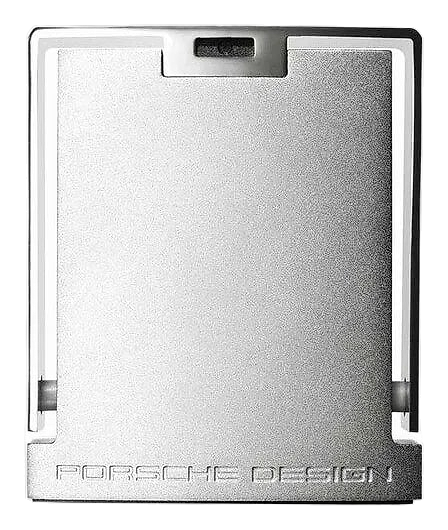
The story of Porsche Design begins with Ferdinand Alexander Porsche, who designed the iconic Porsche 911 in 1963 at age 26. Disappointed with the chrome and ornamental details being added to automobiles of the era, he committed to a purist aesthetic grounded in functional necessity. When his family's company restricted external design work in 1972, he founded Porsche Design Studio in Stuttgart as an independent design consultancy. His first act was to transfer ownership of all products he had designed for Porsche to himself, giving him creative freedom to pursue his vision across new categories. The studio quickly became known for the P'8561 sunglasses, selected by the American Institute of Graphic Arts for permanent collection at the Museum of Modern Art in New York. This recognition established the brand's design credentials beyond automotive contexts. Ferdinand Alexander Porsche believed that good design should be indistinguishable from function, a principle he called the \"Porsche Design Principle.\" This philosophy would guide every product category the brand entered, including fragrances. In 2008, after decades of designing lifestyle products ranging from writing instruments to sports equipment, Porsche Design entered perfumery with The Essence. The launch represented the fulfillment of Ferdinand Alexander Porsche's vision to create a complete lifestyle ecosystem unified by design discipline. The fragrance was developed in collaboration with Designer Parfums, which manages the brand's fragrance portfolio. Ferdinand Alexander Porsche passed away in 2012, but his design philosophy continues to shape the brand's approach to every product, including subsequent fragrance releases that extend from The Essence family into standalone expressions like Porsche Design 180 and Porsche Woman. Porsche Design approaches fragrance as an extension of its core design philosophy: that aesthetic restraint and functional precision create objects of lasting value. Where other luxury houses emphasize artisanal heritage and historical perfumery traditions, Porsche Design positions scent as a product of engineering thinking, treating fragrance development as a problem of chemistry and sensory architecture rather than romantic craft. The brand's fragrance line reflects Ferdinand Alexander Porsche's belief that design should serve purpose without unnecessary decoration. This manifests in bottles that function as sculptural objects with architectural clarity, compositions built on bold structural contrasts rather than nuanced layering, and a visual identity that remains instantly recognizable across decades of releases. The house does not employ in-house perfumers, instead working with external nose houses to translate design specifications into olfactory form. The approach to scent development prioritizes longevity and projection over subtlety, reflecting the brand's athletic and masculine positioning. Fragrances like The Essence and The Essence Intense establish a template of cool, spicy, and woody elements that the brand returns to across variations and flankers. The philosophy treats fragrance as an invisible accessory, much like a watch or pair of sunglasses, that completes a carefully considered personal aesthetic. Each release extends the range without fundamentally departing from the house codes established at launch, maintaining coherence across the collection.