Heritage
A house, in its own words
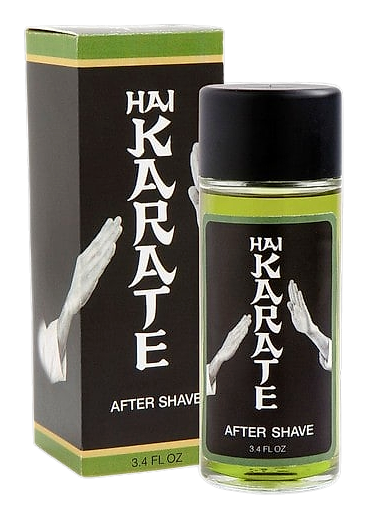
Charles Pfizer and Charles Erhart established their pharmaceutical business in 1849, operating from a modest red brick building in the Williamsburg neighborhood of Brooklyn, New York. The cousins had recently emigrated from Ludwigsburg, Germany, bringing pharmaceutical manufacturing expertise to the United States. The company initially focused on producing pharmaceutical preparations, building its reputation through quality manufacturing and scientific approach to drug development. Throughout the late nineteenth and twentieth centuries, Pfizer expanded its operations, developing expertise in chemical manufacturing and pharmaceutical research. The company became particularly known for its fermentation technologies, which proved valuable for antibiotic production during World War II. By the mid-twentieth century, Pfizer had grown into a significant pharmaceutical manufacturer with a focus on research and development. It was during this era of expansion that the company ventured beyond traditional pharmaceutical products, creating the Hai Karate fragrance line in 1967 as a novelty men's grooming product. This brief foray into fragrances reflected the broader consumer product diversification trend of the era, though fragrance production never became a core part of Pfizer's business strategy. The company's primary legacy remains firmly rooted in pharmaceutical innovation, clinical research, and the development of medications addressing diseases ranging from cardiovascular conditions to infectious diseases. As a pharmaceutical company rather than a dedicated fragrance house, Pfizer operated under a fundamentally different philosophical framework than traditional perfumers. The company's approach centered on rigorous scientific methodology, clinical validation, and therapeutic efficacy. Pfizer's core mission focused on discovering, developing, and delivering medical treatments and vaccines that addressed unmet patient needs. This scientific foundation stood in contrast to the artistic and sensory emphasis typical of fragrance houses, which prioritize olfactory composition, emotional resonance, and artisanal craftsmanship in their creative processes. The Hai Karate product represented a marketing curiosity rather than a genuine fragrance philosophy, appealing to mid-century masculine consumer interests through humor and novelty rather than artisanal perfumery traditions. The company's decision to enter the fragrance market appeared driven by commercial opportunity and brand extension rather than artistic vision, and the product line did not signal any sustained commitment to fragrance development. Pfizer's organizational values emphasized pharmaceutical innovation, regulatory compliance, patient safety, and scientific integrity, frameworks that did not translate directly to fragrance creation.