
Heritage
A house, in its own words
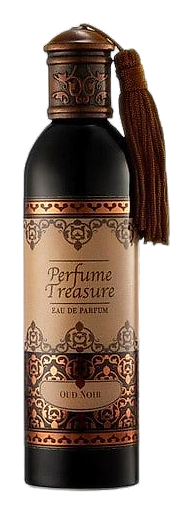
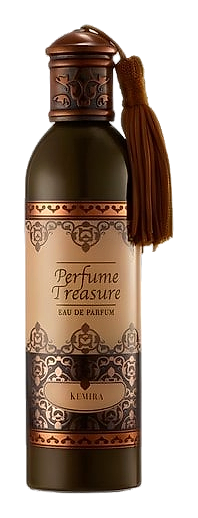
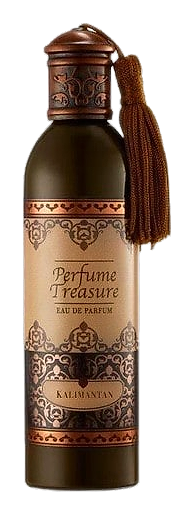
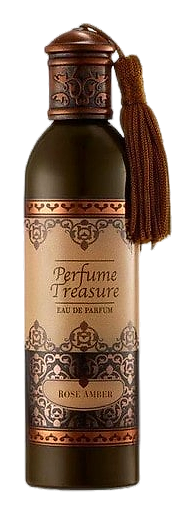
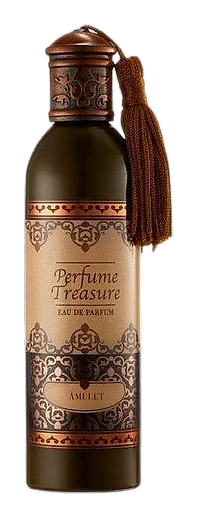
A verified founding history for Perfume Treasure is not included in the supplied material, so its origins should not be assigned a year, place, or founder without further evidence. The strongest documented anchor is the brand's fragrance record, which lists six notable scents, Sultan, Rose Amber, Oud Noir, Kemira, Amulet, and Kalimantan, in 2016. That catalog gives the house a clear point of reference within the research: 2016 is the year attached to these releases, not a confirmed founding date. The wider perfume history supplied for context traces fragrance-making to ancient Cyprus, where an archaeological perfume factory was discovered at Pyrgos, and notes perfume traditions across Persia, Greece, Carthage, and Arabia. It also records the discovery of a roughly 4,000-year-old perfume in Cyprus in 2003 and describes rosewater's use in Roman fountains. These references establish the long history of fragrance as a craft, but they do not document Perfume Treasure itself. Any account of the brand's founding, ownership, growth, or milestones therefore remains unverified. What can be said with confidence is that the house entered the available fragrance record with a tightly defined group of named compositions associated with 2016. Its heritage story begins there, while its earlier history awaits credible primary or independent sources. The available research does not state a formal creative manifesto, sourcing policy, or collaboration program for Perfume Treasure, so the house's philosophy is best described from observable evidence rather than company language. Its six notable titles, Sultan, Rose Amber, Oud Noir, Kemira, Amulet, and Kalimantan, create a collection organized around atmosphere and evocative naming. Sultan carries historical and courtly associations, Rose Amber places a familiar floral note beside a warm material, and Oud Noir suggests a dark, woody interpretation of oud. Kemira and Amulet introduce more abstract, symbolic names, while Kalimantan points toward the geographic and material associations of the Indonesian island of Borneo, where agarwood, known as oud, is sourced. Taken together, the names show an interest in scent as a form of place, memory, and character, not merely a linear display of notes. They invite comparison between related materials and ideas: floral with resinous, dark with woody, symbolic with geographic. That is the clearest philosophy visible in the catalog, a collection designed to give wearers distinct sensory stories while preserving the imaginative space between a title, an accord, and the emotions it can evoke.