
Heritage
A house, in its own words
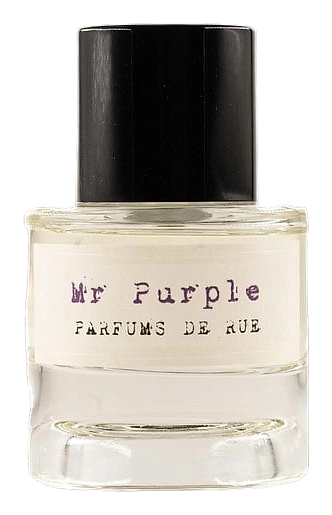
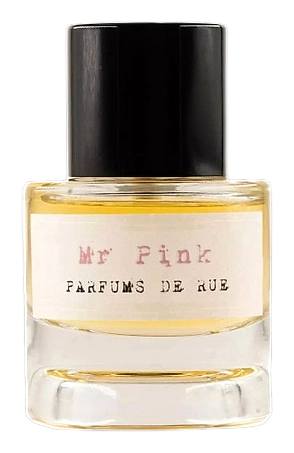
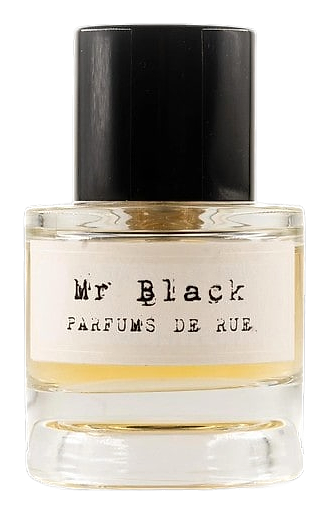
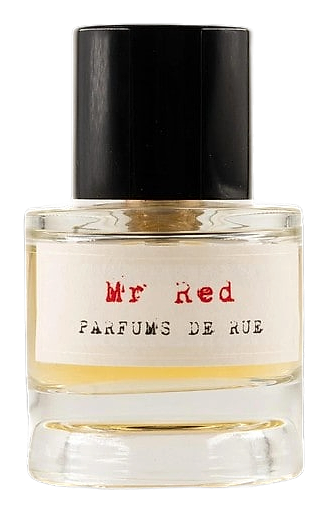
Public records about Parfums de Rue are sparse, and the brand does not appear in historic perfume registries that date back to the 18th and 19th centuries. The earliest verifiable mention comes from a 2024 press release announcing a new French‑based fragrance house that would debut a series of colour‑named scents the following year. The release, distributed through industry newswire services, listed Paris as the headquarters and identified the founders as a collective of young perfumers and designers who had previously collaborated on boutique projects. No single individual is credited as founder in the available sources, suggesting a collaborative origin rather than a traditional single‑person house. The brand’s first public offering arrived in early 2025 with Mr Red, followed closely by four companion scents that together formed the "Mr" series. Since then, the house has participated in a handful of niche perfume fairs in Paris and London, where its booths highlighted the urban narrative behind each scent. Though the brand has not yet been the subject of academic study or major industry awards, its emergence aligns with a broader wave of 2020s French houses that prioritize storytelling, limited‑edition releases, and sustainable packaging. The timing of its launch coincides with a resurgence of interest in colour‑themed perfumery, a trend observed in several boutique releases across Europe during the mid‑2020s. As of 2026, Parfums de Rue remains a young entrant, building its heritage through seasonal launches and collaborations rather than a centuries‑old lineage. Parfums de Rue frames its creative vision around the concept of the city as a living canvas. According to the brand’s introductory statements, each fragrance captures a specific mood that a street can evoke at a particular hour, translating visual cues like neon, rain‑slick pavement, or twilight into aromatic form. The house emphasizes inclusivity, using gender‑neutral naming conventions (the "Mr" prefix) while allowing the colour to guide personal interpretation. Sustainability features prominently in its stated values; the brand reports that its bottles are crafted from recycled glass and that it sources a portion of its natural ingredients from certified organic farms in the Mediterranean region. The philosophy also stresses a limited‑edition approach, with each scent released in a single batch that encourages collectors to experience the fragrance while it is fresh on the market. This strategy reflects a belief that scarcity can heighten emotional connection, a notion echoed in interviews with the brand’s creative directors, who describe the launch process as a series of curated moments rather than a continuous product line. The house also claims to collaborate with local artists for packaging artwork, reinforcing its commitment to supporting the broader creative community in Paris.