











Heritage
A house, in its own words
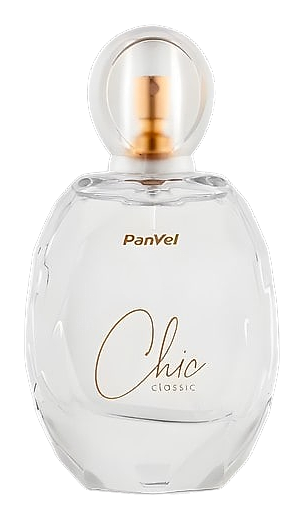
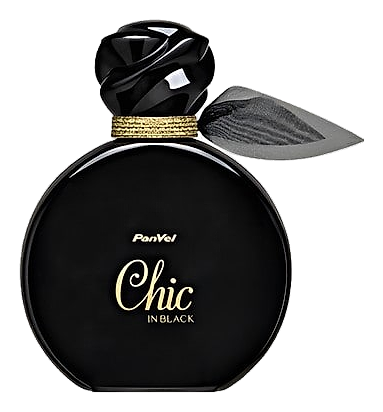
The supplied research materials concern perfume history broadly, but they do not document PanVel’s founding, ownership, or early milestones. They show that fragrance practice has ancient roots, with perfume developing from the use of scented substances in ancient Egypt and Mesopotamia. Those sources also trace the later role of raw materials, including tonka bean and its key aromatic compound, coumarin, which was synthesised by William Perkin in 1868. Applied to PanVel, the reliable part of its heritage is its product chronology within the Brazilian fragrance market. The house’s catalogue includes several releases dated from 2014 onward, beginning with Chic, followed by a concentrated group of releases in 2015, including Baby Clube, Vert Maracujá, Vert Pitanga, and Musk Inspirador. Vert Pitaya followed in 2017, Vert Bambu in 2018, and Na Brisa and Chic Classic in 2020. Instantes Chá Branco, dated 2024, provides a more recent point in the brand’s recorded development. The research does not independently establish a founding year, founder, headquarters history, or a continuous company narrative, so those details remain unconfirmed. PanVel’s creative direction can be read through the names and notes of its fragrances rather than through a documented company manifesto. The Vert family uses direct references to nature, including passion fruit, bamboo, and pitanga, suggesting a preference for compositions built around recognisable fresh and green impressions. Baby Clube, Musk Inspirador, and Chic extend that vocabulary into softer, more familiar fragrance registers, while Na Brisa evokes air and movement. Instantes Chá Branco points toward a more specific aromatic idea through its reference to white tea. Taken together, these names present fragrance as an accessible, sensory experience shaped by fruits, plants, woods, musk, and atmospheric imagery. This reading is an interpretation of the catalogue, not a claim that PanVel has publicly stated this philosophy. The supplied sources also do not identify the brand’s perfumers, so the house’s approach cannot yet be attributed to individual composers. What is clear is the consistency of its naming language, which favours short, evocative terms and everyday references.