

Heritage
A house, in its own words
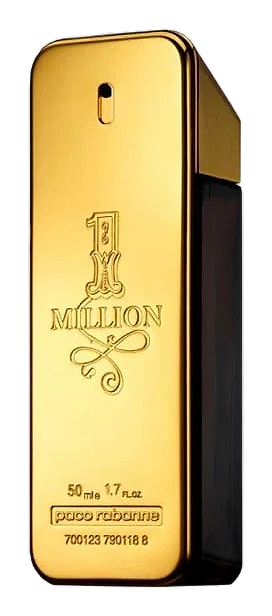
Francisco Rabaneda y Cuervo arrived in Paris at age five, fleeing the Spanish Civil War with his mother, a seamstress who would later work for Balenciaga. The young Basque designer studied architecture at the École des Beaux-Arts before turning to fashion accessories for the great houses of the 1960s: Dior, Givenchy, Pierre Cardin. But in 1966, he struck out alone with a collection so provocative it made headlines worldwide: twelve dresses made from plastic discs, metal links, and paper. Women's Wear Daily named him a fashion revolutionary on sight. The perfume chapter began in 1969 with Calandre, a scent whose name means car radiator grille in French. The bottle, designed by Pierre Dinand, was encased in metal, a high-tech statement twenty years ahead of its time. The house's alliance with Puig, the Spanish fragrance giant, began that same year and would eventually become a full acquisition in 1986. A perfume factory followed in Chartres, France, built specifically to house the house's growing fragrance ambitions. Paco Rabanne himself remained the public face of the brand until his final collection in 1999. He received France's Legion of Honour in 2010, the same year Lady Million launched, cementing the house's place in modern fragrance culture. The designer retired from fashion to focus on painting, passing away in February 2023 at eighty-eight. In June of that year, the house dropped 'Paco' from its name entirely, becoming simply Rabanne as it entered a new era under creative director Julien Dossena, a Belgian who previously worked at Balenciaga. Rabanne makes fragrances for people who want to be noticed. The house built its identity on provocation, on materials no one else would touch, on silhouettes that broke every rule. That DNA lives in its scents: they project, they assert, they take up space. The house has never been interested in making something that whispers when it can roar. At the same time, Rabanne has always understood accessibility. While the fashion pushed art boundaries, the fragrances entered mainstream culture without losing their edge. 1 Million did not apologize for being loud. Lady Million did not ask permission to be sweet. The house treats boldness as a virtue, not a flaw, and that conviction gives its fragrances a confidence that reads as authenticity. The rebrand to Rabanne in 2023 did not dilute this philosophy. If anything, dropping the first name was a statement: the house no longer needed the founder's name to carry its identity. The signature was strong enough on its own.