Heritage
A house, in its own words
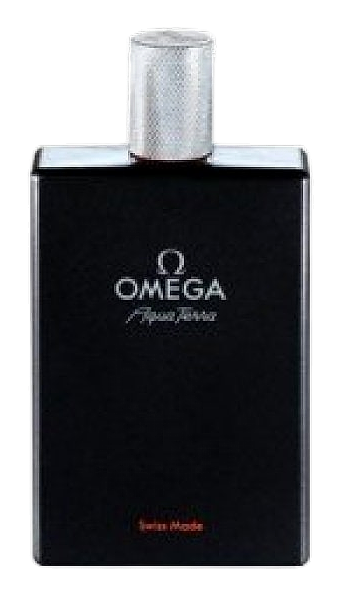
The history of Omega as a fragrance house is, in documented terms, a short one. The earliest and currently only verifiable release tied to the brand is Omega Aqua Terra, which was introduced in 2009. Beyond this single confirmed launch, independent third-party coverage of the brand is essentially absent from major fragrance publications, retail encyclopedias, and editorial archives. No founding year, founder name, or country of origin can be confirmed through independent sources at this time. What this means in practice is that Omega occupies an unusual position in the fragrance world: known enough to appear in databases and niche retail catalogs, yet undocumented enough that its broader story remains unwritten. For a house that may have operated quietly, produced briefly, or operated under a different primary business, the verifiable paper trail begins and largely ends with that single 2009 release. Collectors who encounter Omega Aqua Terra today often do so through secondary channels or vintage stock, and the scarcity of information has itself become part of the fragrance's mystique. Until further documentation surfaces, the heritage of Omega is a single data point: a house that gave the perfume world one composition in 2009 and left little else behind in publicly verifiable form. Because independent documentation on Omega's stated creative philosophy is unavailable, any reading of the brand's intent must be inferred from its singular confirmed work, Omega Aqua Terra (2009). The name itself, referencing the sea and the earth, suggests a thematic interest in elemental natural forces, a concept long explored in niche perfumery by houses seeking to evoke landscape through scent. Aquatic and terrestrial accords require different olfactory vocabularies: one built around marine molecules, ozonic effects, and saline transparency, the other around mosses, minerals, woods, and rooty materials. A composition that unites both suggests a philosophy of contrast and balance rather than a single-note specialty. Whether this reflects a broader house ethos or simply the vision of an individual perfumer for one project, however, cannot be confirmed. In the absence of published interviews, manifestos, or corroborated brand statements, the safest reading is that Omega, through its one documented work, showed an inclination toward evoking elemental nature rather than fashion-driven trends. That single piece of evidence is all the verifiable record offers, and it stands as a modest but suggestive indicator of creative direction.