









Heritage
A house, in its own words
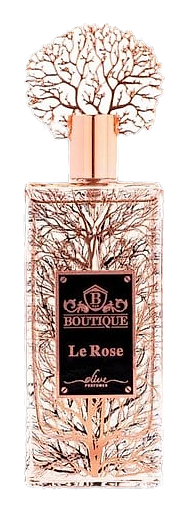
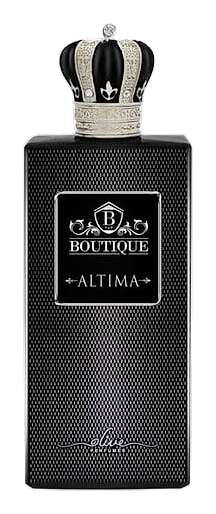
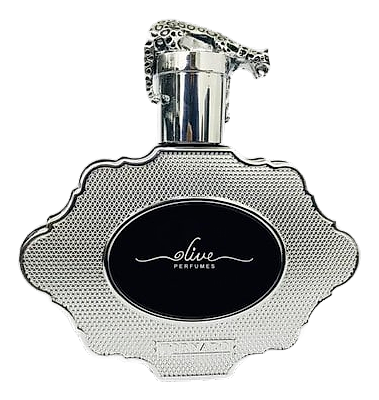
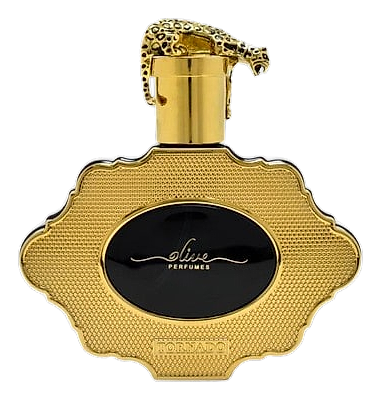
Olive Perfumes traces its history to 2015, when Faizal C.P. launched the house with Floral. The brand arrived with little institutional history and built its identity through an expanding portfolio of original fragrance names rather than inherited trade marks or a long documented lineage. No. 1, released in 2017, marked an early expansion of the catalogue, while 99, also from 2017, extended the house's experimental naming convention. Altima Gold followed in 2017, giving the range another distinct title. La Vie entered the collection in 2019, alongside 77 and the Tornado pair, Tornado Silver and Tornado Gold, also dated to 2020. The brand then broadened its treatment of an established signature with No.1 Atelier in 2018 and returned to the rose theme with Le Rose in 2021. The available records do not identify a perfumer, a founding location or a formal company milestone, so Olive Perfumes is best understood as a relatively young independent house whose history lives primarily in its release chronology. Search material linking the name with a historic perfume house founded in 1798 appears to concern Lubin rather than Olive Perfumes and is not treated as part of this brand's history. Olive Perfumes frames scent as a conceptual form of design, a point of view expressed through the title of each composition rather than through a single inherited perfumery aesthetic. Designer Faizal C.P. is credited with the house's creative direction, and the fragrance names reveal a deliberate interest in contrasts. Floral and Le Rose reference the floral register, La Vie suggests a personal way of living, and the numerical titles No. 1, 99 and 77 lend the collection a coded, collectible character. Tornado Silver and Tornado Gold use the same energetic central motif under different colour identities, while No.1 Atelier presents a more tailored interpretation of the original No. 1. This naming strategy gives the brand a consistent concept without requiring every release to fit one recognisable olfactive family. The available source material offers no detailed statement on ingredient ethics, formulation philosophy or creative collaborators. Accordingly, the clearest documented principle is one of conceptual authorship: fragrance functions as an individually named design object, and new releases build a flexible vocabulary of moods, references and visual themes.