The Heritage
The Story of Olfattology
Olfattology is an Italian niche perfume house that emerged in the mid‑2010s with a focus on place‑driven storytelling. The brand releases limited‑edition scents that reference specific landscapes, waterways or cultural moments. Each launch arrives in a restrained bottle that lets the fragrance speak for itself. Olfattology distributes through a curated network of boutique retailers and online platforms, reaching collectors who value depth over volume.
Heritage
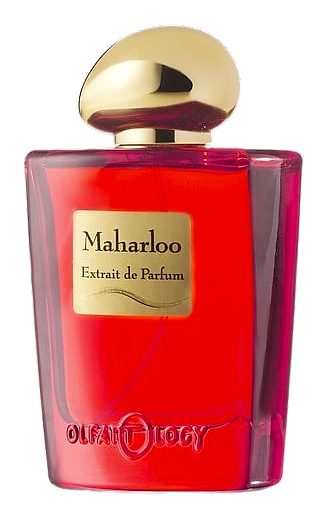
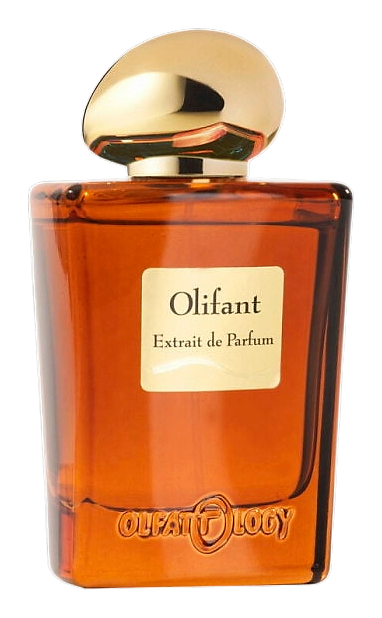
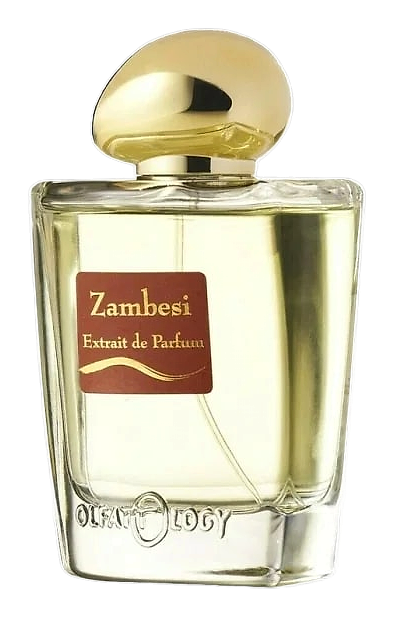
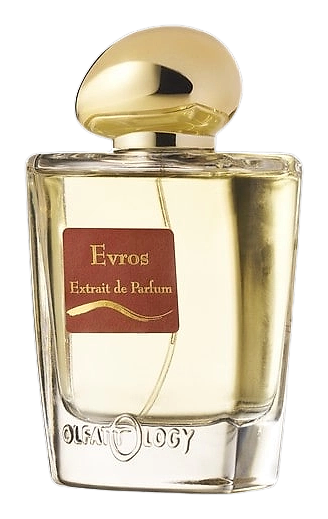
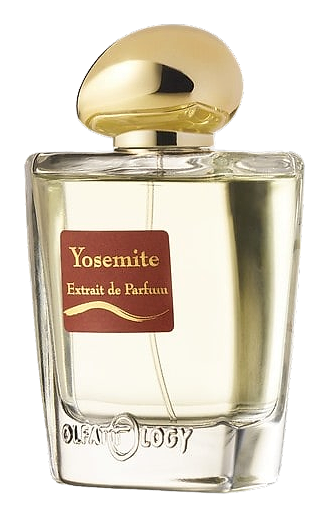
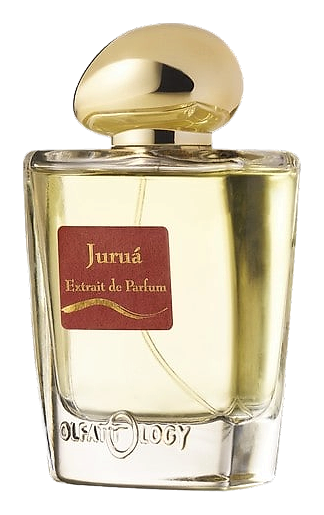
The company reportedly began in 2015 in Milan, founded by Luca Bianchi, a former marketing executive who turned his attention to scent after years of collecting rare perfumes. Bianchi partnered with a small circle of independent perfumers, preferring anonymity to let the fragrance narrative dominate. The first release, Itenez, arrived later that year and earned attention for its crisp green notes and subtle mineral edge. By 2017 the brand secured distribution in select European boutiques, expanding to North America in 2018 through a partnership with a specialty retailer in New York. In 2020 Olfattology introduced a limited‑run series called OT‑11, a nod to the brand’s internal coding system for experimental batches. The following year the house launched Juruá, a scent inspired by the Brazilian river, marking a shift toward more exotic geographic inspirations. 2021 proved prolific, with releases including Evros, Zambesi, Yosemite and a revisited Kasai, each anchored in a distinct locale. 2022 brought Olifant, a fragrance that draws on African savanna tones, while 2023 saw Maharloo, a tribute to the Persian salt lake. Throughout its first decade Olfattology has maintained a steady cadence of two to three releases per year, each limited to a few hundred bottles, reinforcing its commitment to scarcity and craft. The brand’s milestones include a feature in the 2022 edition of Basenotes Magazine and a collaborative pop‑up in Florence’s historic perfume district in 2023, where visitors could experience the scents alongside curated visual installations.
Craftsmanship
Production begins with a brief that ties a scent to a specific environment, such as a river delta or a mountain plateau. Independent perfumers, many of whom remain unnamed, develop the formula in small studios in France or Italy. Once a composition reaches a stable stage, Olfattology sends the raw material list to its manufacturing partner in Grasse, where the blend undergoes a controlled maceration period ranging from three to six weeks. The house sources natural absolutes, essential oils and high‑grade aroma chemicals from certified farms in Madagascar, Brazil and the French Riviera, prioritizing suppliers who provide traceability certificates. Quality control includes gas‑chromatography analysis to verify ingredient purity and batch consistency. After the perfume oil is finalized, it is transferred to a Murano glass bottling facility that hand‑blows each vessel in batches of 250. The bottles receive a hand‑applied silicone seal and a minimalist paper label printed with vegetable‑based ink. Final inspection checks for visual defects, correct fill volume and seal integrity before the product is boxed in recycled cardboard with a simple, matte finish. This end‑to‑end process, from brief to bottle, reflects the brand’s commitment to artisanal precision while maintaining a scalable workflow for limited releases.
Design Language
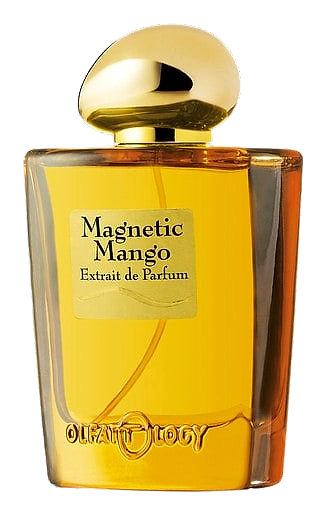
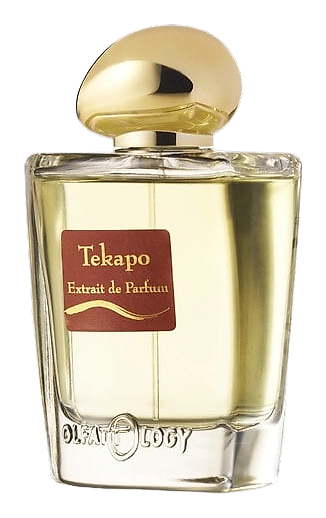
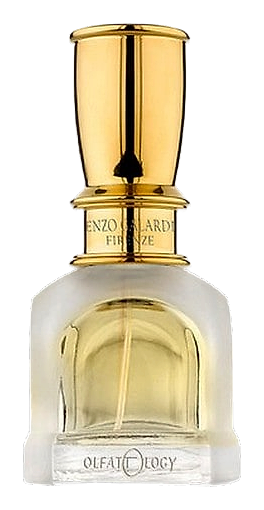
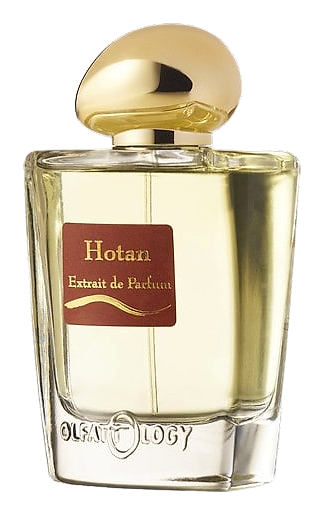
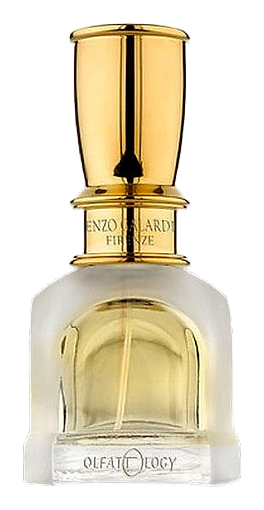
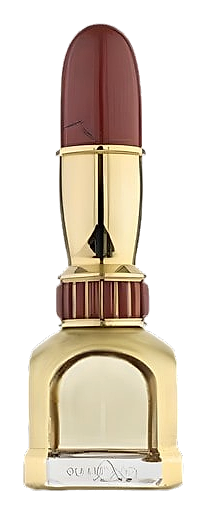
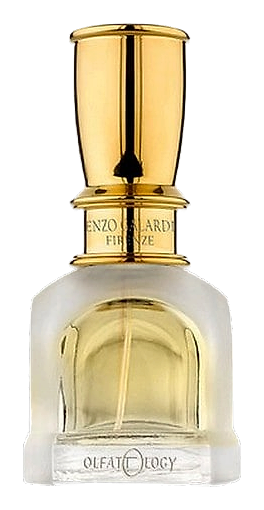
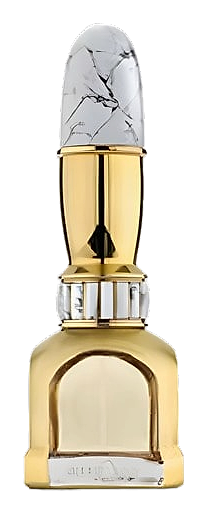
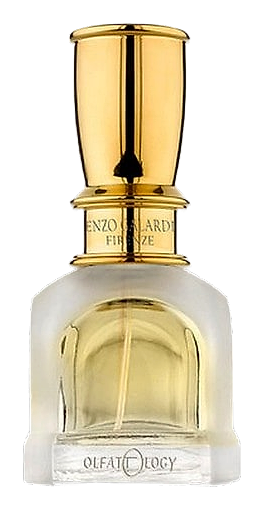
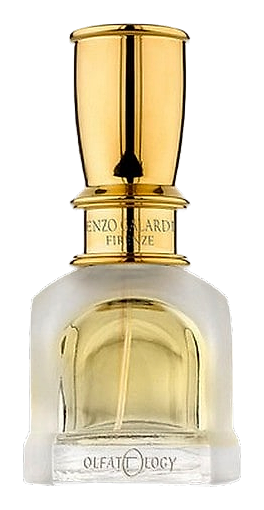
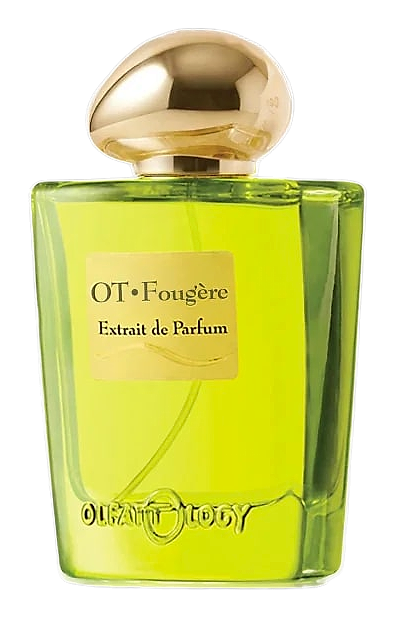
Visually, Olfattology embraces a restrained palette of muted earth tones, allowing the fragrance to remain the focal point. Bottles feature a clear, thick glass body with a gently rounded silhouette that feels solid in the hand. The caps are matte black or brushed aluminum, depending on the edition, and they screw onto a thin silicone gasket that prevents leakage. Labels consist of a single line of serif type, printed in off‑white on textured paper, with the fragrance name and a brief geographic reference. The brand’s logo, a stylized drop of liquid rendered in thin line art, appears only on the inner side of the cap, reinforcing the idea that the scent itself is the outward expression. Packaging boxes adopt a soft-touch matte finish, with the same serif typography embossed on the lid. In marketing materials, Olfattology pairs each fragrance with black‑and‑white photography that captures the essence of the referenced location, such as a misty riverbank or a sun‑baked desert horizon. This visual strategy underscores the house’s narrative‑driven approach without relying on overt branding.
Philosophy
Olfattology treats scent as a narrative device rather than a decorative accessory. The house believes that a perfume should evoke a memory of place, weather or a fleeting moment. To achieve this, the brand asks its perfumers to start each brief with a geographic or cultural prompt, then translate that impression into a scent structure. Olfattology values transparency; it lists the primary accords and key ingredients on each product page, allowing collectors to understand the composition without marketing hyperbole. The brand also respects ecological limits, choosing ingredients that can be harvested sustainably and avoiding synthetics that lack a clear olfactory purpose. By limiting each launch to a small batch, Olfattology ensures that every bottle receives the same level of attention, from formulation to packaging. The house encourages dialogue with its community, inviting feedback that informs future releases while keeping the creative direction firmly in the hands of its perfumers.
Key Milestones
2015
Founded in Milan by Luca Bianchi and released the debut fragrance Itenez.
2017
Secured distribution in select European boutique retailers.
2018
Entered the North American market through a specialty retailer in New York.
2020
Launched the experimental OT‑11 series, marking a shift toward coded batch releases.
2021
Released a quartet of place‑inspired scents: Juruá, Evros, Zambesi and Yosemite.
2022
Introduced Olifant, a fragrance inspired by African savanna landscapes.
At a Glance
Brand profile snapshot
Origin
Italy
Founded
2015
Heritage
11
Years active
Collection
1
Fragrances released
Avg Rating
4.0
Community sentiment
Release Rhythm


