Heritage
A house, in its own words
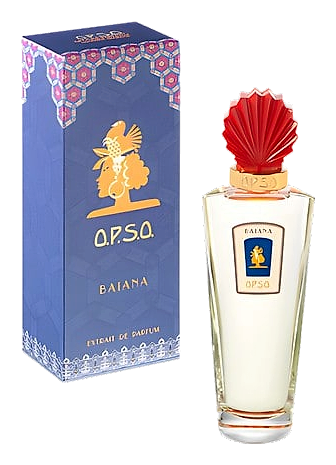
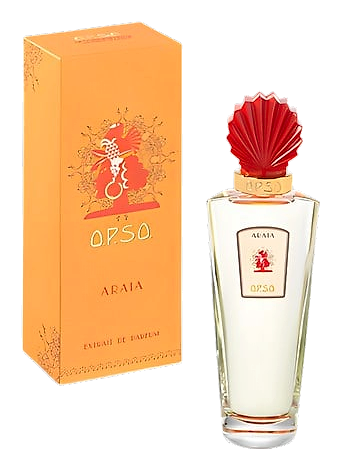
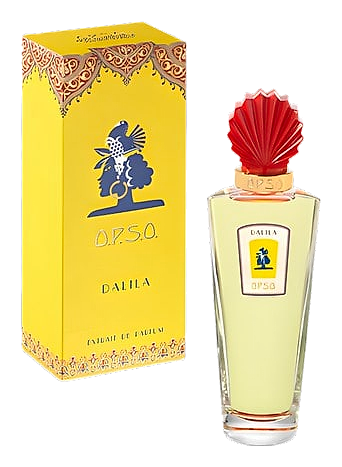
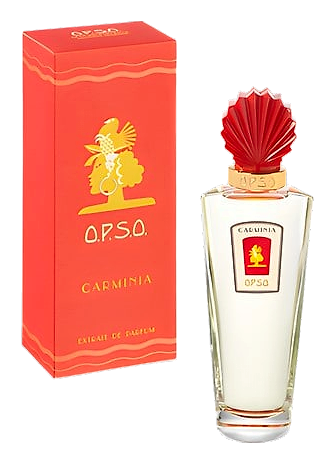
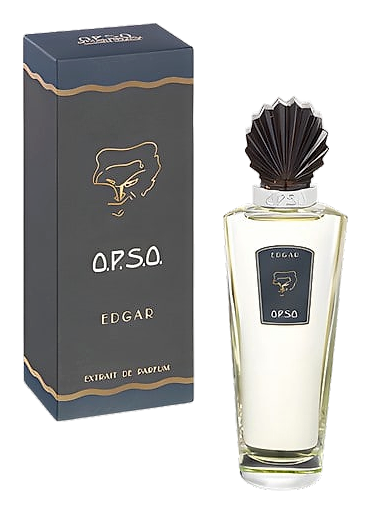
O.P.S.O. traces its story through a different relationship with fragrance history. The house presents natural tree resin as the foundation of its home fragrances, reconnecting perfumery with materials that predate modern synthetic fragrance culture. This history is echoed in the broader history of perfume, which stretches back thousands of years to the Middle East, where aromatic objects and scented preparations were already in use. O.P.S.O. also drew attention for its claim to make home fragrances from natural tree resin, an approach described as replacing artificial ingredients used in traditional compositions. The documented fragrance milestone in the house catalogue comes in 2013, when Baiana, Carminia, Araia, Dalila, and Edgar were released. Together, these scents form the clearest established chapter in O.P.S.O.'s heritage. The research supplied does not verify a founding year, founder, city of origin, or later collection history, so those details remain unconfirmed. What can be said with confidence is that the brand established a focused identity around resin-based home fragrance and launched five named compositions in 2013. O.P.S.O.'s creative vision centres on a simple material proposition: fragrance can be built around natural tree resin rather than defaulting to artificial compositions. That choice gives the house a distinct place within home perfumery, where function and atmosphere meet the long history of resin as an aromatic material. Its five documented releases, Baiana, Carminia, Araia, Dalila, and Edgar, use personal names that invite individual emotional associations without revealing a uniform fragrance family. The approach appears deliberately material-led rather than trend-led. Instead of relying on broad claims about innovation or exclusivity, O.P.S.O. gives its identity to a specific ingredient and a defined set of original releases. The brand's broader historical references also align with perfumery as a craft shaped by changing techniques, including historical methods that predate today's formulas. This creates a coherent philosophy for the house, one that treats natural materials and fragrance-making tradition as connected rather than opposing ideas.