    Brand Profile

    NIVEA is a German skincare brand that originated within Beiersdorf, one of Europe's oldest consumer goods companies. While primarily known f…More

    Germany·Site

    4.1

    Rating

    3
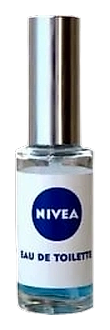
    Nivea Eau de Toilette by Nivea – Eau de Toilette
    Best Seller
    4.1

    Nivea Eau de Toilette

    Eau de Toilette

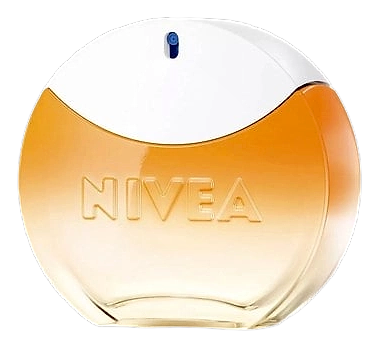
    Nivea Sun by Nivea
    Best Seller
    4.2

    Nivea Sun

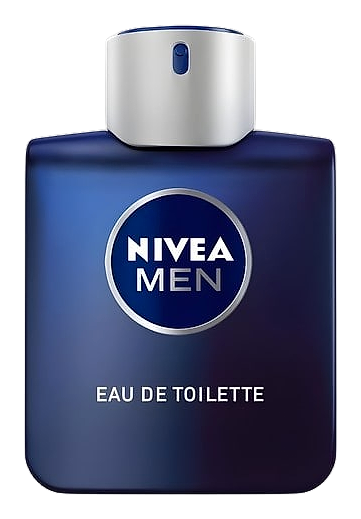
    Nivea Men by Nivea
    Best Seller
    3.8

    Nivea Men

    Haltane by Parfums de Marly
    Coming Soon

    Haltane

    Parfums de Marly

    Baccarat Rouge 540 by Maison Francis Kurkdjian
    Coming Soon

    Baccarat Rouge 540

    Maison Francis Kurkdjian

    Aventus by Creed
    Coming Soon

    Aventus

    Creed

    The Heritage

    The Story of Nivea

    NIVEA is a German skincare brand that originated within Beiersdorf, one of Europe's oldest consumer goods companies. While primarily known for its iconic blue-cream moisturizers, the brand has extended into accessible fragrances designed for everyday wear. The scent collection includes NIVEA Eau de Toilette (2015), NIVEA Sun (2019), and NIVEA Men (2017), each positioned as companion products to their corresponding skincare lines. The brand's fragrance offerings remain tied to its dermatotherapeutic roots, with scents formulated to be gentle and approachable rather than complex or singularly artistic. NIVEA products circulate globally through mass-market retail channels, maintaining the accessibility that has defined the brand since its Hamburg origins.

    Heritage

    The NIVEA story begins not with cream but with a pharmacists ambition. Paul Carl Beiersdorf founded his pharmaceutical laboratory on March 28, 1882, in Hamburg, Germany. In 1890, a pharmacist named Dr. Oscar Troplowitz acquired the laboratory and began developing dermatotherapeutic preparations. The pivotal moment arrived in 1911 when Troplowitz harnessed a newly available emulsifier called Eucerit to create what would become the NIVEA Creme. This innovation proved remarkable because the formulation could stably mix water and oil, creating a smooth, touchable cream that protected skin from environmental stressors. The name NIVEA itself derives from the Latin word for snow, chosen for the products pure white appearance. Interestingly, research reveals that the Guerlain perfume house registered the same Nivea name with Frances INPI (National Institute of Industrial Property) in 1875, raising historical questions about naming rights that apparently resolved themselves over time. By 1906, Beiersdorf had established its first overseas branch in London, launching the brand into international markets. The introduction of NIVEA Sun in 2019 and NIVEA Men in 2017 demonstrates how the brand has extended beyond its original moisturizing focus into broader personal care categories, including accessible fragrances tied to specific skincare moments.

    Craftsmanship

    NIVEA fragrances connect to the brands dermatological heritage through careful formulation processes designed for skin compatibility. The parent company Beiersdorf operates research facilities where chemists develop and test fragrance compositions before market release. Ingredients undergo evaluation to ensure they meet safety standards for daily application. The original NIVEA Creme formulation history demonstrates the brands commitment to stability and skin compatibility, principles that extend to newer fragrance products. Manufacturing occurs through standardized industrial processes that ensure consistent quality across high production volumes. The distinctive NIVEA blue that appears across packaging and bottle designs undergoes strict color standardization to maintain brand recognition at every price point and product category. Quality control protocols verify that fragrance concentrations remain stable from production through consumer use.

    Design Language

    NIVEA visual identity centers on a distinctive cobalt blue that has become synonymous with trustworthy skincare. The classic NIVEA Creme tub features a white label framed by this recognizable blue, a palette maintained across the fragrance line. Bottle designs for NIVEA Eau de Toilette and related scents typically feature clean, minimal silhouettes with generous blue coloring and simple white typography. The aesthetic communicates accessibility and reliability rather than luxury opulence or avant-garde design. NIVEA Men products adopt darker blue and black accents that differentiate the line while maintaining familial visual codes. Marketing materials consistently feature clean compositions, soft focus imagery suggesting smooth skin, and a sense of everyday wellness rather than aspiration or fantasy. The overall visual language has remained remarkably consistent across product generations, reinforcing brand recognition for over a century.

    Philosophy

    NIVEA approaches fragrance as an extension of skincare rather than a standalone art form. While luxury perfumers command attention for complex compositions and rare ingredients, NIVEA positions its scents as functional companions to its core products, meant to enhance rather than overwhelm. The brand values practicality and daily wearability over artistic exclusivity. NIVEA fragrances often carry familiar, comforting scent profiles that align with general consumer preferences rather than challenging conventions. This democratizing philosophy has kept the brand relevant across socioeconomic boundaries since the early twentieth century. The environmental commitment visible in recent packaging initiatives reflects a practical concern for sustainability rather than artisanal purity. NIVEA operates under Beiersdorf's broader corporate structure, which includes other notable brands, allowing resources for formulation research while maintaining affordable price points that serve mass-market accessibility.

    Key Milestones

    1882

    Paul Carl Beiersdorf founds his pharmaceutical laboratory in Hamburg, Germany

    1890

    Pharmacist Dr. Oscar Troplowitz acquires the Beiersdorf laboratory and begins dermatotherapeutic development work

    1911

    Dr. Troplowitz uses Eucerit emulsifier to create the first stable NIVEA Creme, combining water and oil in a pioneering formula

    2006

    NIVEA inaugurates the Beiersdorf manufacturing facility in Serezin-de-la-Rontal, France, expanding production capacity

    2015

    NIVEA launches Eau de Toilette fragrance, extending the brand into dedicated perfumery

    2017

    NIVEA Men fragrance debuts, targeting male consumers within the broader NIVEA portfolio

    At a Glance

    Brand profile snapshot

    Origin

    Germany

    Collection

    1

    Fragrances released

    Avg Rating

    4.1

    Community sentiment

    Release Rhythm

    2019
    1
    2017
    1
    2015
    1
    nivea.com

    Did You Know?

    Interesting Facts

    Distinctive details and defining moments that shape the house personality.

    01

    The name NIVEA derives from the Latin word 'niveus,' meaning snow-white, chosen for the pure white appearance of the original cream formula

    02

    The Guerlain perfume house reportedly registered the Nivea name with Frances INPI in 1875, predating the cream launch by 36 years and creating an interesting historical naming rights situation

    03

    Eucerit, the emulsifier that made NIVEA Creme possible in 1911, was an innovation borrowed from pharmaceutical research that proved transformative for cosmetic science

    04

    Beiersdorf, NIVEA parent company, filed for patent protection on Lanolin as an emulsifying agent in 1900, demonstrating early commitment to functional ingredient development

    05

    The NIVEA brand celebrated over 100 years of heritage by 2011, placing it among the oldest continuously marketed skincare brands in the world

    The Artisans

    The Perfumers