Heritage
A house, in its own words
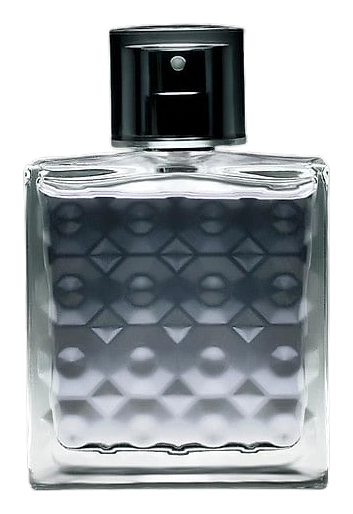
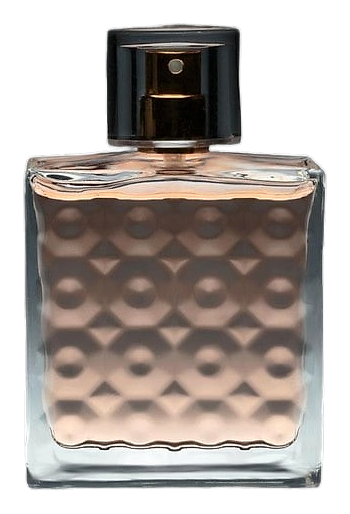
The documented history of Nino Touma is concise. Its best-known fragrance, Cristal, was introduced in 2015 with separate editions for women and men. No reliable source in the supplied material identifies Nino Touma’s founding year, founder, original location, or earlier releases, so a longer origin story cannot be confirmed without speculation. The name has also appeared on fragrance listings associated with a boutique perfume house, but the available material does not establish a continuous house history or explain when the brand first entered the market. The safest account begins with the launch of the two Cristal editions in 2015, which marked the brand’s visible debut and established its gendered naming structure. The surrounding research traces perfume-making methods across ancient Egypt, the Middle Ages, and eighteenth-century Cologne, including Johann Maria Farina’s 1709 foundation of the Farina perfume house. Those histories provide useful context for fragrance culture, but they do not directly document Nino Touma. Accordingly, they should not be presented as part of the brand’s own lineage. What can be stated clearly is that Nino Touma’s history, within the limits of the available evidence, centers on the creation and release of Cristal for Women and Cristal for Men in 2015. Nino Touma’s creative philosophy is most clearly expressed through the deliberate pairing of Cristal for Women and Cristal for Men. Rather than allowing the two titles to operate as entirely separate names, the house anchors both editions within the familiar Cristal identity. This suggests an interest in creating a signature scent that can be interpreted through different olfactory preferences and presentation styles. The supplied research does not identify a perfumer, creative director, or founder whose stated ideas shaped the fragrances, and it does not document a formal approach to natural ingredients, artistic collaboration, or independent perfumery. The brand’s philosophy should therefore remain grounded in what its catalogue reveals. Its naming places texture and material associations, in this case crystal, at the center of the fragrance story. The same name also allows the house to address women and men without discarding a shared point of reference. This restrained structure gives Nino Touma a coherent identity: one principal fragrance family, presented through two gendered releases. Any broader claim about the brand’s values would require additional sourcing, especially material from the house itself or detailed interviews with its creative team.