








Heritage
A house, in its own words
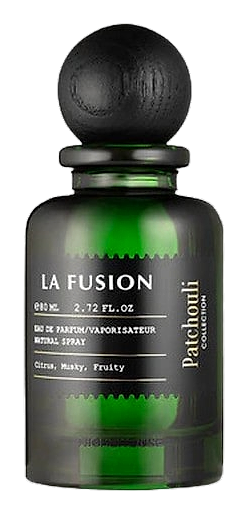
Public information about Niche House is thin, and the brand's history is difficult to trace beyond the launch year of its first recorded fragrances. The name itself echoes a broader movement that began in the 1980s, when smaller, independent perfume houses pushed back against mass-market production by embracing selective distribution and narrower creative targets (Wikipedia, Niche perfume). The industry term 'niche perfume' is often traced to discussions around houses such as L'Artisan Parfumeur, founded in 1976 and later described as 'the first niche firm,' whose presence in specialty boutiques helped define the segment in the 1990s (Première Peau, Niche Perfume: What It Really Means). Where Niche House sits within that lineage is not yet established in third-party press. Niche House enters a category that has steadily expanded, populated today by labels ranging from Penhaligon's heritage stalls to the Canadian animal-themed Zoologist Perfumes, founded by Victor Wong and recognized for working with independent perfumers (Fragrantica, 17 Amazing Niche Fragrance Houses). The exact founder, founding city, and origin story behind Niche House have not been confirmed by independent sources at the time of this writing, and any deeper historical detail would require speculation. The naming choices across Niche House's debut catalog hint at a philosophy built on suggestion rather than prescription. Titles like MOLÉCULE and La Fusion point to chemistry and combination, while Désir, Beauté, and Mode speak to a more emotional register. The effect is a portfolio that reads less like a single creative thesis and more like a series of experiments in mood and material. This pluralism fits within the wider niche philosophy articulated by industry observers: 'Niche perfumery refers to fragrances made by independent houses that prioritize creative expression over mass market appeal, using higher [concentration formulations]' (The Fragrance People, What Is Niche Perfumery? A Complete Guide). Without a stated manifesto from the brand itself, the philosophy can only be read from what the releases put forward, which is a willingness to move between cultural reference points (Moulin Rouge, Eiffel Paris), lifestyle cues (Cigare, Vin Rouge), and abstract concepts (MOLÉCULE) without committing to a single olfactive house style.